
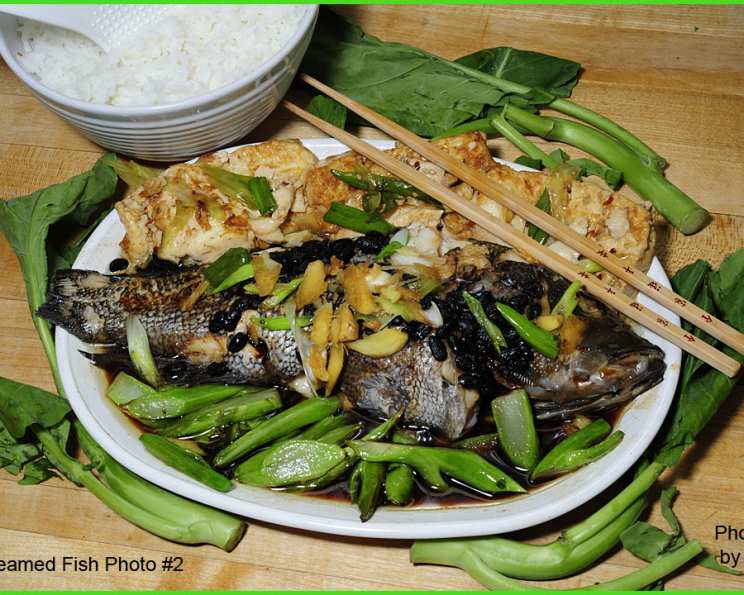
#1 Favorite Chinese Steamed Whole Fish by Sy
The aroma of ginger and scallion, mingling with the subtle sweetness of perfectly steamed fish, transports me back to bustling family dinners in my childhood. It wasn’t just a meal; it was an event, a celebration of fresh ingredients and the art of simple, elegant cooking. The memory of Sy’s steamed fish, a dish that graced countless gatherings, remains vivid – the delicate flakes of fish yielding to the chopstick, the fragrant oil sizzling as it hit the soy sauce, and that unmistakable “wow” factor that always accompanied its arrival at the table. It’s a dish that embodies the very essence of Cantonese cuisine: pure, unadulterated flavor that highlights the natural quality of its star ingredient.
Recipe Overview
- Prep Time: 15 minutes
- Cook Time: 15 minutes
- Total Time: 30 minutes
- Servings: 2
- Yield: 1 whole fish
- Dietary Type: Gluten-Free (if using gluten-free soy sauce), Dairy-Free
Ingredients
For the Fish
- 1 – 1 ½ lb fresh fish, with the head and tail on (scales removed and insides cleaned; Chinese sea bass is highly recommended)
- 2 scallions, cleaned and trimmed
- Chinese rice wine (ensure it’s not Japanese sake)
For the Ginger and Scallion Fish Sauce
- ⅛ cup peanut oil
- 2 tablespoons sesame oil
- 1 pinch white pepper
- 1 pinch salt
- 3 slices gingerroot, cut into very thin strips
- 2 scallions, cleaned and trimmed, then cut on a diagonal into thin strips about 1 inch in length
- 3 tablespoons low sodium soy sauce OR 2 tablespoons regular soya sauce (not the dark soy sauce)
Equipment Needed
- Obong oven-proof or microwave-proof dish (large enough to fit the fish)
- Large wok with a lid
- Flat round trivet that fits inside the wok
- Small frying pan
- Fork (for testing doneness)
- Kitchen sink (for draining)
Instructions
- Prepare the Fish: Begin by thoroughly cleaning and scaling the fish. Ensure all the insides are removed, but leave the head and tail intact. Rinse the fish under cold running water and then pat it completely dry with paper towels. This is crucial for achieving a clean flavor and preventing a watery dish.
- Season and Prop the Fish: Place the prepared fish into an oblong oven-proof/microwave-proof dish. Drizzle a small amount of Chinese rice wine over both sides of the fish. Allow it to sit for 5 minutes. After 5 minutes, pour off and discard the rice wine. Next, place two whole scallions under the fish. This is a clever technique to prop the fish up, allowing steam to circulate freely underneath, ensuring even cooking.
- Steaming the Fish (Wok Method): Fill a large wok with enough water to come up to the level of the trivet. Place the flat round trivet inside the wok. Bring the water to a rolling boil over high heat. Once boiling, carefully place the fish dish onto the trivet within the wok. Cover the wok tightly with its lid.
- Cook and Test for Doneness: Steam the fish for approximately 10-15 minutes. The exact time will depend on the thickness of your fish. To check for doneness, gently poke the thickest part of the fish flesh with a fork. The flesh should be opaque white and flake easily. It is vital not to overcook the fish, as it will become dry and tough.
- Drain and Re-plate: Once the fish is cooked, carefully remove the fish plate from the wok. Pour off and discard the cloudy liquid that has accumulated in the dish. Also, discard the whole scallions that were used to prop up the fish. To prevent splattering during the next step, it’s recommended to place the plate in the kitchen sink.
- Microwave Steaming Alternative: As an alternative to steaming in a wok, you can use a microwave. Cover the fish plate tightly with plastic wrap, ensuring a good seal. Place the dish into a microwave oven. Microwave on high for about 5-6 minutes. Check for doneness using the fork test as described above. After cooking, pour off and discard any cloudy liquid and discard the scallions.
- Season and Garnish: Sprinkle the steamed fish with pepper and salt to taste. Evenly spread the thinly sliced scallions and ginger strips over the top of the fish.
- Infuse with Hot Oil: In a small frying pan, combine the peanut oil and sesame oil. Heat the oils over medium-high heat just until they begin to smoke. Immediately and carefully pour this smoking hot oil over the ginger and scallion-topped fish. Be very cautious, as the oil will splatter.
- Finish with Soy Sauce: Drizzle the soy sauce (either low sodium or regular) over the fish.
- Serve: Serve the steamed fish immediately while piping hot. It is traditionally enjoyed with plain white rice and a side dish of fresh Chinese vegetables topped with oyster sauce.
Expert Tips & Tricks
- Fish Selection is Key: The quality of your fish will directly impact the final dish. Opt for the freshest fish possible. For this recipe, a whole fish with the head and tail on offers both visual appeal and richer flavor. Chinese sea bass is a classic choice, but other delicate white fish like snapper or sole can also work, though cooking times may vary.
- Don’t Skip the Drying Step: Patting the fish completely dry after rinsing is essential. Moisture on the surface can lead to steaming rather than searing when the hot oil is added, affecting the final texture.
- The Scallion “Cushion”: The practice of placing scallions beneath the fish is not just for aroma; it’s critical for proper steam circulation. This elevates the fish, allowing heat to penetrate all sides evenly for a more tender result.
- Hot Oil Sizzle: The smoking hot oil is what releases the fragrant oils from the ginger and scallions, infusing the fish with incredible aroma and flavor. Ensure the oil is indeed smoking before pouring; a gentle sizzle won’t achieve the same effect. Be mindful of the splatter and perhaps use a splatter screen if you’re concerned.
- Soy Sauce Choice: Using regular soy sauce will yield a slightly more intense flavor and darker color than low-sodium soy sauce. Choose based on your preference for saltiness and visual appeal. Remember, avoid dark soy sauce, which is typically used for color and a richer, less salty flavor in other dishes.
Serving & Storage Suggestions
This Steamed Whole Fish is best enjoyed immediately after preparation, while the fish is tender and flaky, and the aromatics are at their peak. Serve it as the centerpiece of your meal, accompanied by steamed white rice to soak up the delicious sauces. For a complete Cantonese dining experience, pair it with a side of blanched or stir-fried Chinese greens (like gai lan or choy sum) drizzled with oyster sauce.
Leftovers are rare, but if you find yourself with any, allow the fish to cool completely before storing. Refrigerate in an airtight container for up to 1-2 days. The texture of steamed fish can change upon reheating, so it’s best to reheat gently. You can warm it in a steamer for a few minutes or very carefully in a microwave on low power, just until heated through. Avoid over-reheating, which will dry out the delicate fish.
Nutritional Information
| Nutrient | Amount per Serving | % Daily Value |
|---|---|---|
| Calories | 264.7 kcal | |
| Calories from Fat | 244 g | 92% |
| Total Fat | 27.2 g | 41% |
| Saturated Fat | 4.2 g | 21% |
| Cholesterol | 0 mg | 0% |
| Sodium | 882.7 mg | 36% |
| Total Carbohydrate | 4.9 g | 1% |
| Dietary Fiber | 1.1 g | 4% |
| Sugars | 1.2 g | 4% |
| Protein | 1.9 g | 3% |
Note: Nutritional information is an estimate and can vary based on specific ingredients and portion sizes used.
Variations & Substitutions
- Fish Type: While Chinese sea bass is traditional, feel free to experiment with other white fish like snapper, cod, or even flounder. Adjust steaming times accordingly based on the thickness of the fillet or whole fish.
- Aromatics: If ginger is too pungent for your liking, you can reduce the amount or omit it. Similarly, if you’re not a fan of scallions, you can use thinly sliced leeks as a milder alternative.
- Herbal Infusion: For a more complex flavor profile, you can add a few sprigs of cilantro or a slice or two of dried tangerine peel to the steaming liquid or place them inside the cavity of the fish.
- Spicy Kick: For those who enjoy a bit of heat, a few thinly sliced red chilies can be added along with the ginger and scallions before the hot oil is poured.
FAQs
Q: Why is it important to leave the head and tail on the fish?
A: Leaving the head and tail on not only makes for a more impressive presentation but also contributes to the overall flavor and moisture retention of the fish during steaming.
Q: Can I use frozen fish for this recipe?
A: While fresh fish is always best for steaming, if you must use frozen, ensure it is completely thawed and patted very dry before cooking. The texture may not be as delicate as with fresh.
Q: My fish seems to be cooking too quickly. What should I do?
A: Cooking times can vary based on the thickness of the fish and the intensity of your heat source. Start checking for doneness around the 10-minute mark and continue to steam only until the flesh is opaque and flakes easily. It’s better to slightly undercook and return it to the steam for a minute than to overcook.
Q: The hot oil splattered a lot. How can I prevent this?
A: Ensure the fish is as dry as possible. You can also place a splatter screen over the dish as you pour the hot oil, or work quickly and from a safe distance. Make sure the oil is hot enough to sizzle immediately upon contact.
Q: What if I don’t have a wok and trivet?
A: You can steam the fish in a deep pot with a steaming rack that fits inside, ensuring there’s enough space for water to boil beneath. Alternatively, the microwave method is a convenient and effective option.
Final Thoughts
The beauty of Sy’s #1 Favorite Chinese Steamed Whole Fish lies in its simplicity and its ability to showcase the pure, clean flavor of the fish itself. It’s a testament to the philosophy that with the freshest ingredients and a few well-executed techniques, you can create a dish that is both incredibly satisfying and elegantly understated. This recipe is more than just a set of instructions; it’s an invitation to experience a cherished culinary tradition. Gather your ingredients, approach it with a sense of calm and respect for the fish, and you’ll be rewarded with a truly memorable meal. I encourage you to try this classic preparation, and I’d love to hear about your experiences and any personal touches you add!