
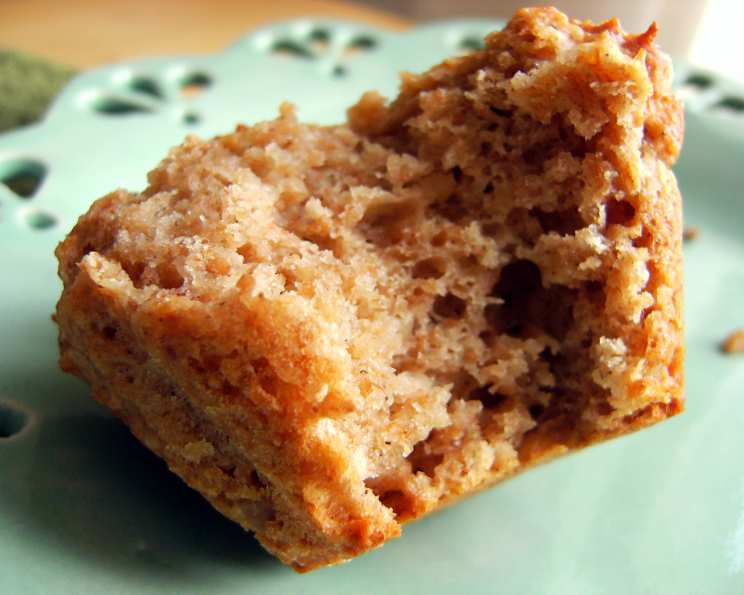
1927 Peanut Butter Bread: A Taste of Nostalgia
My earliest memories of baking often involve the comforting aroma of something warm and nutty wafting from my grandmother’s kitchen. While she was renowned for her apple pies and sugar cookies, there was a particular loaf that held a special place in my heart: a simple, unassuming peanut butter bread. It wasn’t fancy, but that dense, slightly sweet, deeply peanutty loaf, sliced thick and slathered with melting butter, felt like pure edible comfort. Finding this recipe, a gem unearthed from a collection of old American magazine recipes, brought back those cherished memories with every sifted cup of flour and every dollop of creamy peanut butter. It’s a bread that speaks of simpler times, perfect for a leisurely breakfast spread with jam or, as the original notes suggest, transformed into a truly excellent jam and banana sandwich. And for those navigating dietary restrictions, rest assured, the spirit of this bread can easily be adapted with other nut butters.
Recipe Overview
- Prep Time: 15 minutes
- Cook Time: 1 hour
- Total Time: 1 hour 15 minutes
- Servings: 12
- Yield: 1 big loaf
- Dietary Type: Vegetarian
Ingredients
This recipe, born from a time when pantry staples were king, calls for just a handful of common ingredients that come together effortlessly.
- 2 cups all-purpose flour
- 4 teaspoons baking powder
- 1 teaspoon salt
- 1⁄3 cup granulated sugar
- 1⁄2 cup creamy peanut butter (ensure it’s well-stirred and smooth)
- 1 1⁄2 cups skim milk
Equipment Needed
- Large mixing bowl
- Whisk or fork
- Spatula or wooden spoon
- Loaf pan (approximately 9×5 inches)
- Oven
- Toothpick or cake tester
- Wire cooling rack
Instructions
The magic of this 1927 Peanut Butter Bread lies in its straightforward assembly. There’s no complicated kneading or fussy proofing – just simple mixing and baking, which makes it an ideal recipe for bakers of all levels.
- Begin by preheating your oven to 350 degrees Fahrenheit (175 degrees Celsius). This ensures your oven is at the perfect temperature to bake the loaf evenly from the moment it goes in.
- In a large mixing bowl, sift together the flour, baking powder, salt, and sugar. Sifting is an important step here as it aerates the dry ingredients, preventing lumps and contributing to a lighter texture in the finished bread. You can use a fine-mesh sieve or a dedicated sifter for this.
- Add the peanut butter to the bowl with the sifted dry ingredients. At this stage, you want to mix well. Use a spatula or a sturdy spoon to incorporate the peanut butter as thoroughly as possible into the dry ingredients. It might seem a bit crumbly or pasty at first, and that’s perfectly normal. The goal is to break down the peanut butter so it distributes evenly.
- Now, it’s time to add the skim milk. Pour the milk into the bowl and beat well. Continue mixing until you achieve a smooth, lump-free batter. This step is crucial for developing the structure of the bread without overworking the gluten, which can lead to a tough loaf. The batter should be thick but pourable.
- Pour the batter into a prepared loaf tin. A lightly greased and floured loaf pan will ensure easy removal once the bread is baked. You can also line your loaf pan with parchment paper for even easier cleanup.
- Bake for 1 hour. The baking time is approximate, and the best way to check for doneness is to insert a toothpick or cake tester into the center of the loaf. It should come out clean, with no wet batter clinging to it. If it comes out with a few moist crumbs, it’s usually a good sign it’s ready, but if there’s wet batter, continue baking in 5-minute increments until it comes out clean.
Expert Tips & Tricks
While this recipe is wonderfully forgiving, a few chef-tested pointers can elevate your 1927 Peanut Butter Bread to sublime status.
- Peanut Butter Choice: The quality of your peanut butter will significantly impact the flavor. For the most authentic taste, opt for a good-quality, creamy peanut butter. Natural peanut butters can sometimes separate; ensure you’ve stirred yours very well to achieve a consistent texture before measuring. Avoid “no-stir” varieties with added oils if possible, as they can alter the texture.
- Don’t Overmix: Once the milk is added, mix only until the batter is just combined and smooth. Overmixing can develop the gluten in the flour too much, resulting in a tough, dense loaf rather than a tender one.
- Oven Variations: Ovens can vary greatly in their temperature accuracy. If you find your baked goods tend to brown too quickly or not bake through properly, consider using an oven thermometer to ensure your oven is calibrated correctly. You might need to adjust the baking time by a few minutes accordingly.
- Room Temperature Ingredients: While not strictly necessary for this recipe due to its simple nature, using room temperature milk can sometimes help ingredients combine more smoothly, though cold milk will also work perfectly fine.
- Preventing a Soggy Bottom: If you’re concerned about a potentially underbaked bottom, especially in ovens that tend to heat unevenly from the bottom, you can place a baking sheet on the rack below where your loaf pan is situated for the last 15-20 minutes of baking.
Serving & Storage Suggestions
This peanut butter bread is a delightful treat served in many ways, and its sturdy texture makes it an excellent candidate for both immediate enjoyment and later consumption.
To serve, allow the loaf to cool in the pan for about 10-15 minutes before inverting it onto a wire cooling rack to cool completely. Slicing while still slightly warm is heavenly, especially when spread with butter, jam, or even a drizzle of honey. It also makes for incredible toasted bread; the toasting enhances the nutty aroma and creates a lovely crisp exterior. For a truly nostalgic experience, transform slices into a jam and banana sandwich – a simple yet profoundly satisfying combination.
Storage: Once completely cooled, this bread can be stored at room temperature, well-wrapped in plastic wrap or in an airtight container, for up to 2-3 days. For longer storage, it freezes beautifully. Wrap the cooled loaf tightly in plastic wrap, then in aluminum foil, or place it in a freezer-safe bag. It will keep in the freezer for up to 2-3 months. To reheat from frozen, thaw at room temperature, or slice and toast directly from frozen.
Nutritional Information
Here’s an approximate nutritional breakdown per serving, assuming 12 servings from the loaf. Please note that these values are estimates and can vary based on specific ingredients used.
| Nutrient | Amount per Serving | % Daily Value |
|---|---|---|
| Calories | 173.9 kcal | |
| Calories from Fat | 45.5 kcal | |
| Total Fat | 5.7 g | 8% |
| Saturated Fat | 1.2 g | 6% |
| Cholesterol | 0.6 mg | 0% |
| Sodium | 382.8 mg | 15% |
| Total Carbohydrate | 25.6 g | 8% |
| Dietary Fiber | 1.2 g | 4% |
| Sugars | 6.6 g | 26% |
| Protein | 6.1 g | 12% |
Note: Percent Daily Values are based on a 2,000 calorie diet. Individual daily values may be higher or lower depending on your calorie needs.
Variations & Substitutions
While the original recipe is a triumph of simplicity, a few thoughtful tweaks can cater to different preferences and dietary needs.
- Nut Butter Alternatives: As mentioned, if you have a peanut allergy or simply prefer other flavors, this bread is remarkably adaptable. Almond butter, cashew butter, or even sunflower seed butter will work beautifully, offering their own unique nutty nuances. Adjust the amount slightly if your chosen nut butter is significantly thicker or thinner than peanut butter.
- Sweetness Adjustment: If you prefer a less sweet bread, you can reduce the sugar slightly, perhaps to 1/4 cup. Conversely, if you have a sweet tooth, a touch more sugar can be added, but be mindful not to make it overly sweet, as the peanut butter also contributes a natural sweetness.
- Whole Wheat Flour: For a heartier loaf with more fiber, you can substitute up to half of the all-purpose flour with whole wheat flour. Sift them together as you would with all-purpose flour for best results.
FAQs
Q: Why is my peanut butter bread dense?
A: A dense loaf can sometimes be a result of overmixing the batter after adding the milk, which can overdevelop the gluten. Ensuring your baking powder is fresh and that you haven’t compacted the flour too much when measuring can also help.
Q: Can I use chunky peanut butter instead of creamy?
A: Absolutely! Using chunky peanut butter will add delightful texture and pockets of extra peanut flavor throughout the bread.
Q: How do I know if my baking powder is still active?
A: Test your baking powder by placing a teaspoon of it in a small bowl and pouring a tablespoon of hot water over it. If it fizzes vigorously, it’s active and ready to use. If there’s little to no reaction, it’s time for a new container.
Q: Can I add anything to the batter for extra flavor or texture?
A: You could certainly add a handful of chocolate chips, chopped nuts, or even a tablespoon of cocoa powder to the dry ingredients for a chocolate-peanut butter twist.
Q: My loaf is browning too quickly on top. What should I do?
A: If the top of your bread is browning much faster than the inside is cooking, you can loosely tent the loaf pan with aluminum foil for the remainder of the baking time. This will shield the top from direct heat and allow the inside to cook through.
Final Thoughts
This 1927 Peanut Butter Bread is more than just a recipe; it’s a warm embrace from the past, a testament to the enduring appeal of simple, honest ingredients. It’s the kind of bread that makes a house feel like a home, filling the air with an aroma that’s both comforting and utterly inviting. I encourage you to try this slice of history, to experience its unique charm, and perhaps, to create your own cherished memories around its delightful taste. Share it with loved ones, pair it with a good cup of coffee or a glass of cold milk, and savor the uncomplicated joy it brings.