
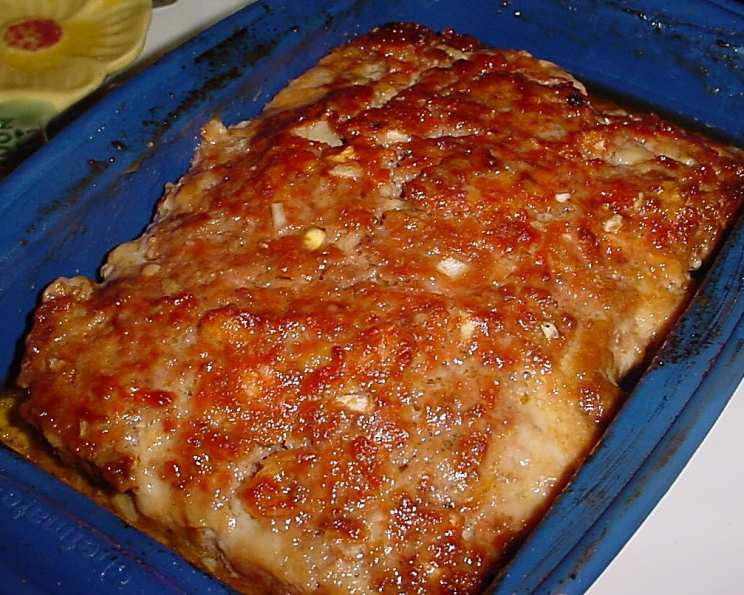
A Taste of Nostalgia: My Sister-in-Law’s Beloved 1950s Meatloaf
There are certain dishes that, with just one whiff, transport you back in time. For me, that dish is this classic 1950s meatloaf. It’s a recipe passed down through family, specifically from my wonderful sister-in-law, who shared it for a treasured family cookbook. Every time I make it, I can almost hear the gentle hum of the kitchen radio, see the aprons tied just so, and feel the warmth of a family gathered around the dinner table, anticipating a comforting, hearty meal. It’s more than just food; it’s a tangible link to cherished memories and a reminder of simpler, sweeter times.
Recipe Overview
- Prep Time: 20 minutes
- Cook Time: 1 hour
- Total Time: 1 hour 20 minutes (plus 15 minutes resting)
- Servings: 6
- Yield: 1 loaf
- Dietary Type: Conventional
Ingredients
This recipe, like many from its era, is straightforward, relying on simple, wholesome ingredients to create a satisfying and flavorful dish.
- 2 lbs ground chuck
- 2 large eggs, lightly beaten
- 1 cup breadcrumbs (plain or seasoned, your preference)
- ½ cup ketchup, plus extra for serving if desired
- ¼ cup milk
- 1 medium onion, finely chopped
- 1 ½ teaspoons salt
- ¼ teaspoon black pepper, freshly ground
- 1 cup brown sugar, packed (see note below on sweetness)
- ½ cup water
- ½ cup apple cider vinegar
- 2 teaspoons yellow mustard
A Note on Sweetness: My sister-in-law generously shared that you might find the brown sugar quantity quite sweet. She personally prefers to use about ¾ cup of brown sugar. Feel free to adjust this to your own taste preference; start with ¾ cup and add more if you desire a sweeter glaze.
Equipment Needed
- Large mixing bowl
- Medium mixing bowl
- Loaf pan or baking dish (approximately 9×5 inches)
- Whisk
- Spatula or large spoon for mixing
- Measuring cups and spoons
- Oven
- Cooling rack
Instructions
This meatloaf is a testament to how simple ingredients and a bit of care can result in a truly comforting meal. The glaze is the secret weapon, providing a tangy-sweet counterpoint to the rich meat.
- Preheat Your Oven: Begin by preheating your oven to 400°F (200°C). This initial high heat helps to set the exterior of the meatloaf beautifully.
- Prepare the Meat Mixture: In a large mixing bowl, combine the ground chuck, eggs, breadcrumbs, ½ cup of ketchup, milk, chopped onion, salt, and pepper. It’s important to mix gently at this stage. Overmixing can lead to a tough meatloaf. Use your hands or a sturdy spatula, just until all ingredients are incorporated.
- Form the Loaf: Lightly grease your loaf pan or baking dish. Carefully place the meat mixture into the prepared pan and form it into a loaf shape. You can do this directly in the pan, or if you prefer a slightly different presentation, you can form it into a freeform loaf on a baking sheet lined with parchment paper.
- Prepare the Glaze: In a medium bowl, whisk together the brown sugar (remembering the note about adjusting the quantity to your liking), water, apple cider vinegar, and yellow mustard. Ensure the brown sugar is well incorporated into the liquids.
- Apply the Glaze: Gently pour this prepared glaze mixture evenly over the top of the meatloaf. Try to cover as much of the surface as possible. The glaze will caramelize as it bakes, creating a wonderful sticky, sweet, and tangy crust.
- Bake Uncovered: Place the meatloaf in the preheated oven and bake uncovered for approximately 1 hour. The cooking time can vary slightly depending on your oven and the thickness of your meatloaf, so keep an eye on it. You’re looking for the meatloaf to be cooked through and the glaze to be bubbly and slightly caramelized.
- Rest Before Slicing: Once baked, carefully remove the meatloaf from the oven. This step is crucial for a moist and well-structured loaf: let it stand for 15 minutes before slicing. This resting period allows the juices to redistribute throughout the meat, preventing it from becoming dry when you cut into it.
Expert Tips & Tricks
- Meat Choice: While ground chuck is specified and offers excellent flavor and fat content, you can also use a blend of ground beef (like 80/20 or 85/15) for a slightly leaner option. Just be mindful that a much leaner blend might result in a drier meatloaf.
- Breadcrumb Variety: For added flavor, consider using seasoned breadcrumbs or even panko for a slightly crispier texture on the exterior. If you use seasoned breadcrumbs, you might want to slightly reduce the added salt.
- Onion Preparation: For a smoother texture and more even distribution of flavor, you can finely mince the onion using a food processor or grate it.
- Glaze Consistency: If the glaze seems a bit thin, don’t worry. As it bakes, the brown sugar will melt and thicken beautifully.
- Doneness Test: To ensure your meatloaf is cooked through, you can use an instant-read thermometer. The internal temperature should reach 160°F (71°C).
Serving & Storage Suggestions
This classic meatloaf is a star on its own but truly shines when served with traditional accompaniments. Think creamy mashed potatoes, a simple green salad, or some buttered peas. A dollop of extra ketchup on the side is always a welcome addition for those who enjoy it.
Leftovers are a delightful bonus! Once cooled, store any leftover meatloaf tightly wrapped in plastic wrap or in an airtight container in the refrigerator for up to 3-4 days. To reheat, you can gently warm individual slices in a skillet over low heat, in the oven at a lower temperature (around 300°F or 150°C) until heated through, or even in the microwave for a quick meal.
Nutritional Information
Here’s an estimated breakdown of the nutritional content per serving, based on 6 servings. Please note that these values are approximate and can vary based on specific ingredients used.
| Nutrient | Amount per Serving | % Daily Value |
|---|---|---|
| Calories | 512.6 kcal | |
| Calories from Fat | ||
| Total Fat | 15.9 g | 24% |
| Saturated Fat | 5.8 g | 28% |
| Cholesterol | 170.2 mg | 56% |
| Sodium | 1103.2 mg | 45% |
| Total Carbohydrate | 56.4 g | 18% |
| Dietary Fiber | 1.2 g | 4% |
| Sugars | 42 g | 167% |
| Protein | 34.5 g | 68% |
Note: The high sugar content is primarily from the glaze, which can be adjusted as noted in the ingredients section.
Variations & Substitutions
While this recipe is perfect in its classic form, here are a few ideas to keep your culinary creativity flowing:
- Gluten-Free: Substitute the breadcrumbs with gluten-free breadcrumbs or an equal amount of almond flour for a gluten-free version.
- Adding Vegetables: Finely chopped carrots, celery, or bell peppers can be incorporated into the meat mixture along with the onion for added nutrients and flavor. Ensure they are chopped very small so they cook through.
- Herbal Notes: A tablespoon or two of finely chopped fresh parsley or a teaspoon of dried herbs like thyme or oregano can be added to the meat mixture for a subtle aromatic boost.
- Spicier Glaze: For those who enjoy a little heat, a pinch of cayenne pepper or a dash of your favorite hot sauce can be added to the glaze mixture.
FAQs (Frequently Asked Questions)
Q: Why is my meatloaf dry?
A: A dry meatloaf can result from overmixing the meat, using lean ground beef, or not allowing it to rest properly after baking. Gently mixing and letting it stand for 15 minutes are key to moisture retention.
Q: Can I make this meatloaf ahead of time?
A: Yes, you can prepare the meat mixture and form the loaf ahead of time. Store it, unbaked, covered tightly in the refrigerator for up to 24 hours. Apply the glaze and bake as directed, adding a few extra minutes to the cooking time if baking from chilled.
Q: What is the best way to reheat leftover meatloaf?
A: For the best texture, reheat slices in a skillet over low heat with a splash of water or broth, or bake in a preheated oven at 300°F (150°C) until warmed through. Microwaving can sometimes make the meatloaf a bit rubbery.
Q: Can I freeze this meatloaf?
A: Baked and cooled meatloaf can be frozen. Wrap individual slices or the whole loaf tightly in plastic wrap and then in aluminum foil or a freezer-safe bag. It can be stored in the freezer for up to 2-3 months. Thaw in the refrigerator before reheating.
Q: Is the brown sugar in the glaze absolutely necessary?
A: The brown sugar is essential for creating the signature sweet and tangy glaze that is characteristic of this 1950s-style meatloaf. While you can omit it, the glaze would be significantly different, losing its classic caramelized appeal.
Final Thoughts
This 1950s meatloaf recipe is a heartfelt invitation to revisit the comforting embrace of home cooking. It’s a dish that’s as honest and straightforward as the era it hails from, yet it delivers a depth of flavor and satisfaction that remains timeless. I encourage you to try it, perhaps with your own family, and create new memories around its familiar, comforting aroma. Serve it with your favorite sides and savor the simple joy it brings. Perhaps a crisp glass of iced tea or a simple bottle of local craft beer would pair wonderfully, completing this nostalgic journey for your palate. Enjoy every delicious bite!