
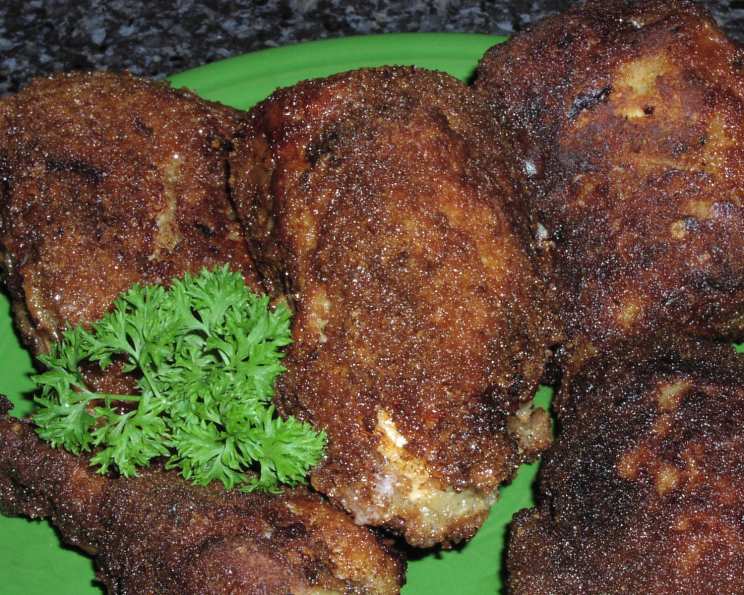
4th of July Fried Chicken: A Taste of Summer Nostalgia
The scent of charcoal grills and sunscreen fills the air, a quintessential symphony of an American summer. But for me, the true hallmark of a July 4th celebration is the crackle and hiss of chicken meeting hot oil, promising a crispy, golden exterior and a juicy, succulent interior. This isn’t just any fried chicken; this is the kind that evokes memories of checkered picnic blankets, laughter echoing across sun-drenched backyards, and the simple joy of sharing a meal with loved ones. It’s a dish that embodies the spirit of the holiday – unpretentious, celebratory, and utterly delicious.
Recipe Overview
- Prep Time: 30 minutes
- Marinating Time: 30 minutes
- Standing Time: 15 minutes
- Cook Time: 20-25 minutes
- Total Time: 1 hour 20 minutes
- Servings: 4-6
- Yield: Enough fried chicken for 4-6 people
- Dietary Type: Not Specified
Ingredients
Gathering the right ingredients is the first step to fried chicken perfection. For this classic recipe, we’re keeping it straightforward, allowing the quality of the chicken and the simple seasonings to shine through.
- 3 lbs chicken, cut into pieces (a mix of thighs, drumsticks, and breasts works wonderfully)
- 1 cup buttermilk
- 1/2 cup all-purpose flour
- 1 teaspoon salt
- 1/2 teaspoon ground sage
- 1/4 teaspoon paprika
- 1/4 teaspoon black pepper
- 2 large eggs, beaten with 1 tablespoon water
- 1 cup plain breadcrumbs
- Oil for frying (I prefer corn oil for its neutral flavor and high smoke point, but any neutral-flavored vegetable oil will work)
Equipment Needed
While not overly complicated, a few key pieces of equipment will ensure your fried chicken experience is a smooth one.
- Large shallow dish or bowl for marinating
- Paper bag (a standard brown paper lunch bag is perfect) for dredging
- Two shallow dishes or plates for the egg wash and breadcrumbs
- A large, heavy-bottomed skillet (cast iron is ideal for even heat distribution)
- Tongs
- Paper towels
- Wire rack (optional, for draining excess oil)
- Thermometer (a candy or deep-fry thermometer is highly recommended)
Instructions
Achieving that perfect balance of crispy coating and tender chicken is all in the technique. Follow these steps meticulously for a truly spectacular result.
-
Prepare the Chicken for Marinating: Begin by rinsing your chicken pieces under cold running water. This helps to remove any stray bone fragments or blood. After rinsing, pat each piece thoroughly dry with paper towels. Moisture is the enemy of crispiness, so this step is crucial. Place the dried chicken pieces into a large shallow dish or bowl.
-
Marinate in Buttermilk: Pour the 1 cup of buttermilk over the chicken pieces, ensuring they are well coated. Let the chicken marinate in the buttermilk for at least 30 minutes. During this time, you can turn the chicken pieces occasionally to ensure even saturation. The buttermilk not only tenderizes the chicken but also adds a subtle tang that complements the savory coating.
-
Create the Dredging Mixture: While the chicken marinates, prepare your dry coating. In a paper bag, combine the 1/2 cup flour, 1 teaspoon salt, 1/2 teaspoon ground sage, 1/4 teaspoon paprika, and 1/4 teaspoon pepper. Close the bag and shake it well to ensure all the seasonings are evenly distributed throughout the flour. This is a fun and efficient way to coat the chicken.
-
Prepare the Egg Wash: In a separate shallow dish, beat the two eggs with 1 tablespoon of water. Whisk them together until they are well combined and slightly frothy. This will form the adhesive layer for your breadcrumb coating.
-
Coat the Chicken: Remove the marinated chicken from the buttermilk, allowing any excess to drip off. Working one piece at a time, dip the chicken into the egg wash, making sure it is fully coated on all sides. Immediately after, transfer the egg-washed chicken to the paper bag containing the flour mixture. Shake the bag gently to coat the chicken thoroughly. Ensure a good, even layer of the seasoned flour adheres to the chicken.
-
Breadcrumb Coating: Once the chicken is coated in the flour mixture, it’s time for the final touch. Place the 1 cup of breadcrumbs in another shallow dish. Roll each floured chicken piece in the breadcrumbs, pressing gently to help them adhere. You want a nice, even layer of breadcrumbs for that signature crunch.
-
Rest the Coated Chicken: Arrange the breadcrumb-coated chicken pieces on a clean plate or baking sheet. Let the chicken stand at room temperature for at least 15 minutes. This resting period allows the coating to adhere more firmly to the chicken, preventing it from falling off during frying and contributing to a crispier crust.
-
Heat the Oil: Pour your chosen oil for frying into a large, heavy-bottomed skillet. You’ll want to fill it to a depth of about 1 inch. Heat the oil over medium-high heat until it reaches 375°F (190°C). You can test the oil temperature by sprinkling a few drops of water onto it; if it spatters immediately, the oil is ready. Using a thermometer is the most accurate way to ensure you’re at the correct temperature.
-
Fry the Dark Meat First: Carefully add the chicken legs and thighs to the hot oil. These cuts tend to take a bit longer to cook through. Fry them until browned and cooked on all sides, which should take approximately 10-12 minutes.
-
Add Remaining Pieces: Once the legs and thighs have started to brown, carefully add the remaining chicken pieces (such as breasts) to the skillet. Continue to fry the chicken for another 10 minutes, or until all pieces are deeply browned and cooked through. You may need to adjust the heat slightly to maintain a consistent oil temperature. Avoid overcrowding the pan, as this can lower the oil temperature and result in soggy chicken. Fry in batches if necessary.
-
Drain and Serve: Once the chicken is cooked to perfection, carefully remove it from the skillet using tongs. Drain the chicken on paper towels to absorb any excess oil. For an even crispier result, you can drain the chicken on a wire rack set over a baking sheet.
-
Serve Hot: Serve the fried chicken immediately while it’s hot and gloriously crispy.
Expert Tips & Tricks
- Temperature is Key: Maintaining the correct oil temperature is paramount. If the oil is too hot, the coating will burn before the chicken is cooked. If it’s too cool, the chicken will absorb too much oil and become greasy. A good thermometer is your best friend here.
- Don’t Skip the Rest: That 15-minute resting period after coating isn’t just a suggestion; it’s vital for a coating that stays put and crisps up beautifully.
- Pat, Pat, Pat: Seriously, dry your chicken very well after rinsing. Any residual moisture will fight against the coating and can lead to steaming rather than frying.
- Batch Cooking: If you have a lot of chicken, resist the urge to cram it all into the skillet at once. Frying in batches ensures the oil temperature remains consistent, leading to a crispier, more evenly cooked product.
- Sage Wisdom: The sage in this recipe adds a subtle, earthy note that pairs beautifully with chicken. If you’re not a fan, you can omit it, but I highly recommend giving it a try.
Serving & Storage Suggestions
This 4th of July Fried Chicken is best enjoyed fresh from the fryer, its crispy exterior giving way to tender, juicy meat. It’s a star on any picnic table or backyard barbecue. Serve it alongside classic American fare like creamy potato salad, coleslaw, cornbread, and a fresh, tangy barbecue sauce.
Leftover fried chicken can be stored in an airtight container in the refrigerator for up to 2-3 days. To reheat, the best method is to place it on a wire rack set over a baking sheet in a preheated oven at 350°F (175°C) for about 10-15 minutes, or until heated through. This helps to re-crisp the coating. Avoid reheating in the microwave, as it can make the chicken soggy.
Nutritional Information
Here’s an approximate breakdown of the nutritional content for this classic fried chicken. Please note that these values can vary based on the specific cuts of chicken used and the amount of oil absorbed.
| Nutrient | Amount per Serving | % Daily Value |
|---|---|---|
| Calories | 956.2 kcal | |
| Total Fat | 55.8 g | 85% |
| Saturated Fat | 16.1 g | 80% |
| Cholesterol | 350.6 mg | 116% |
| Sodium | 1117.5 mg | 46% |
| Total Carbohydrate | 34.7 g | 11% |
| Dietary Fiber | 1.8 g | 7% |
| Sugars | 4.8 g | 19% |
| Protein | 73.7 g | 147% |
Note: “Calories from Fat” is presented as a descriptive element, with a percentage of daily value. The specific gram amount for “Calories from Fat” is not provided in the original data and is therefore omitted here for accuracy.
Variations & Substitutions
While this recipe is a classic for a reason, feel free to experiment! For a gluten-free option, you could try using a gluten-free flour blend and gluten-free breadcrumbs. For an added layer of flavor, consider incorporating different herbs and spices into your flour mixture, such as a pinch of cayenne pepper for a little heat, or some garlic powder. You could also experiment with different marinades; some people swear by a spicy brine or even a beer marinade for added depth.
FAQs
Q: How do I ensure my fried chicken coating doesn’t fall off?
A: Make sure your chicken is well-dried after rinsing, allow the coated chicken to rest for 15 minutes, and don’t overcrowd the frying pan, as this can cause the coating to steam rather than crisp.
Q: What’s the best way to check if my fried chicken is cooked through?
A: The most reliable way is to use an instant-read thermometer inserted into the thickest part of the chicken, avoiding the bone. It should register 165°F (74°C). Visually, the juices should run clear.
Q: Can I make this ahead of time?
A: You can prepare the coated chicken up to a few hours in advance and keep it refrigerated, but for the crispiest results, frying it just before serving is highly recommended.
Q: My oil temperature dropped significantly when I added the chicken. What did I do wrong?
A: This usually happens when the pan is overcrowded. Fry in smaller batches to maintain the oil’s temperature for optimal crispiness.
Q: What kind of oil is best for frying chicken?
A: Neutral-flavored oils with a high smoke point are ideal. Corn oil, canola oil, or vegetable oil are excellent choices.
Final Thoughts
There’s something truly magical about perfectly fried chicken. It’s a dish that brings people together, sparks conversation, and creates lasting memories. This 4th of July Fried Chicken recipe is a testament to the simple, yet profound, pleasure of good food prepared with care. So, gather your ingredients, fire up the stove, and get ready to experience a taste of summer nostalgia that’s sure to impress. Serve it with your favorite sides and enjoy every crispy, juicy bite!