
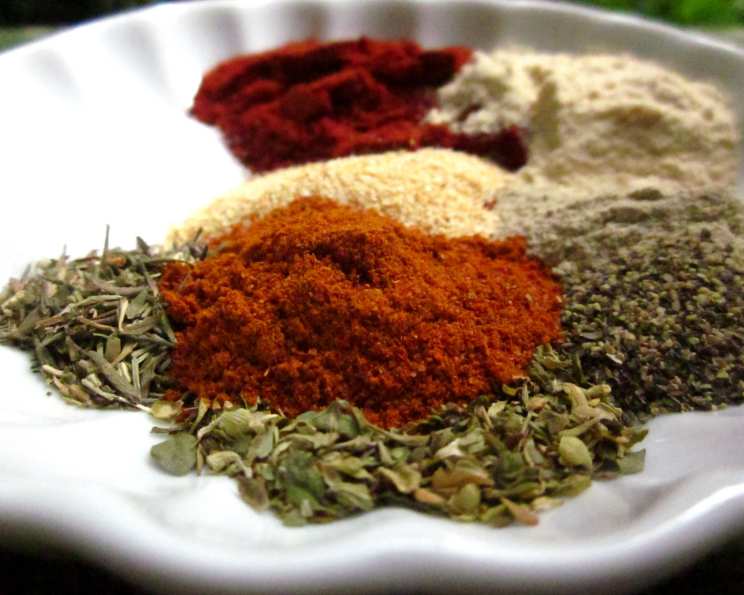
The Art of the Dry Rub: Six Flavor-Packed Blends to Elevate Your Grilling
There’s a primal satisfaction in the sizzle of meat on a grill, a sound that, for me, is deeply intertwined with childhood summers and the smoky aroma that would waft from my grandfather’s backyard. He wasn’t a fancy chef by any means, but he had a magic touch with his grill, and the secret, I eventually learned, lay not just in his technique, but in the simple, yet profound, dry rubs he’d meticulously craft. He’d keep an arsenal of old spice jars, painstakingly cleaned and relabeled, ready to be blended for any occasion. I still remember the excitement of discovering his “special blend” that he swore was the key to his legendary ribs. These six rubs are a tribute to that memory, a collection of versatile flavor boosters that can transform humble cuts of meat into something truly extraordinary.
Recipe Overview
- Prep Time: Variable (depending on the rub, but generally minimal)
- Cook Time: N/A (Rub preparation time)
- Total Time: 10 minutes
- Servings: Yields approximately 1/3 cup each
- Yield: 6 Different Dry Rubs
- Dietary Type: Vegan, Gluten-Free, Dairy-Free (check specific ingredient labels if concerned about cross-contamination)
Ingredients
These rubs are designed to be incredibly versatile, utilizing common pantry staples. Feel free to adjust the quantities to suit your needs, but these are excellent starting points for creating a generous amount of each blend.
Southwestern Dry Rub Seasonings
- 1 ½ teaspoons chili powder
- 1 teaspoon garlic powder
- ½ teaspoon dried oregano, crushed
- ½ teaspoon ground cumin
Lemon-Rosemary Dry Rub Seasonings
- 1 ½ teaspoons grated lemon peel
- 1 teaspoon dried rosemary leaves
- ¼ teaspoon salt
- ¼ teaspoon fresh coarse ground black pepper
- 2 minced garlic cloves
Cajun Seasoning
- 1 tablespoon dried basil leaves
- 1 tablespoon dried oregano leaves
- 1 tablespoon paprika
- 2 teaspoons salt
- 2 teaspoons dried thyme leaves
- 1 teaspoon ground allspice
- ½ teaspoon ground red pepper
Caribbean Jerk Seasoning
- 2 tablespoons dehydrated onion
- 1 tablespoon garlic powder
- 4 teaspoons dried crushed thyme leaves
- 2 teaspoons salt
- 2 teaspoons ground allspice
- ½ teaspoon ground nutmeg
- 1 tablespoon sugar
Cajun Dry Rub Seasonings
- 2 tablespoons paprika
- 2 teaspoons salt
- 2 teaspoons onion powder
- 2 teaspoons garlic powder
- 2 teaspoons cayenne pepper
- 1 ½ teaspoons white pepper
- ½ teaspoon ground black pepper
- 1 teaspoon dry thyme leaves
- 1 teaspoon oregano leaves
Spicy Fireworks Dry Rub Seasonings
- 2 tablespoons ground cumin
- 2 tablespoons chili powder
- 1 tablespoon ground coriander
- 1 ½ teaspoons cayenne pepper
- 1 tablespoon ground black pepper
- 1 ½ teaspoons ground cinnamon
- 1 ½ teaspoons brown sugar
- ¾ teaspoon salt
Equipment Needed
For creating these delicious dry rubs, you won’t need specialized equipment. Most kitchens will have what’s required:
- Small bowls for mixing each rub
- Measuring spoons and cups
- A whisk or fork for combining ingredients
- Airtight containers (jars or reusable spice containers) for storage
Instructions
The beauty of dry rubs lies in their simplicity. The process is straightforward, allowing you to create a variety of flavor profiles in minutes.
- Gather Your Ingredients: Lay out all the necessary dried herbs, spices, salts, and sugars for each rub you intend to make. Ensure your measuring spoons and bowls are clean and ready.
- Combine Ingredients for Each Rub: In separate small bowls, combine the specified ingredients for each individual dry rub. For example, for the Southwestern Dry Rub, add the chili powder, garlic powder, dried oregano, and ground cumin to one bowl.
- Thoroughly Mix: Use a whisk or a fork to thoroughly combine all the ingredients within each bowl. Ensure there are no clumps and that the spices are evenly distributed. This is crucial for consistent flavor application on your proteins.
- Transfer to Storage: Once each rub is well-mixed, transfer them into clean, dry, airtight containers. Jars with tight-fitting lids are ideal for this purpose.
- Label Your Rubs: Clearly label each container with the name of the dry rub (e.g., “Southwestern,” “Lemon-Rosemary,” “Cajun”). This will save you time and confusion when you’re ready to cook.
Applying Your Dry Rubs
Dry rubs do not require standing time and can be applied just before cooking. However, for a more pronounced flavor, they can be applied several hours in advance. If applying in advance, it’s best to refrigerate the seasoned protein. For a quick and effective application, I prefer sprinkling the rub generously over the surface of the meat or poultry and allowing it to sit at room temperature for about 15 minutes before cooking. This brief resting period allows the flavors to begin to meld and adhere to the surface.
- Remember: The longer the rub remains on the meat, the more intense the flavor will become. Experiment to find your preferred flavor depth!
Expert Tips & Tricks
- Freshness is Key: While dried herbs and spices have a long shelf life, their potency diminishes over time. For the most vibrant flavors, use spices that are within their prime. If you’re unsure, give them a sniff; a strong aroma indicates freshness.
- The Power of Uniformity: When mixing your rubs, take the time to ensure all ingredients are thoroughly combined. Clumped spices can lead to uneven flavor distribution, with some bites being intensely seasoned and others lacking.
- Don’t Be Shy: When applying the rub, be generous! A good coating is essential for a flavorful crust. Use your hands to ensure even coverage, gently pressing the rub into the surface of the meat.
- Beyond Meat: These rubs aren’t just for poultry and red meat! Experiment with them on firm fish like salmon, tofu, or even vegetables like potatoes or corn on the cob.
- Building Layers: For even more complexity, consider using a dry rub in conjunction with a marinade or sauce. Apply the dry rub first, let it adhere, and then follow with a marinade or baste during cooking.
Serving & Storage Suggestions
Serving:
These dry rubs are incredibly versatile. They are perfect for:
- Grilling: Ribs, chicken pieces, pork chops, steaks, burgers, and shrimp.
- Roasting: Whole chickens, pork roasts, and racks of lamb.
- Pan-Searing: Chicken breasts, pork tenderloin, and fish fillets.
Simply sprinkle the desired rub generously over the surface of your protein, ensuring an even coating. For tougher cuts like ribs or pork shoulder, consider applying the rub several hours in advance (even the night before) and refrigerating them. For quicker cooking items like chicken breasts or fish, applying the rub 15-30 minutes before cooking is sufficient.
Storage:
Store all your homemade dry rubs in airtight containers in a cool, dry place, such as a pantry or spice cabinet. When stored properly, these rubs will maintain their optimal flavor for 6 months to a year. Avoid storing them near heat sources like the oven or microwave, as this can cause the spices to lose their potency more quickly. If you’ve applied a rub to meat and are not cooking it immediately, refrigerate the seasoned item.
Nutritional Information
While the nutritional information for dry rubs can vary significantly based on the specific ingredients and quantities used, here is an estimated breakdown for a hypothetical serving size (e.g., 1 tablespoon of the rub). It’s important to note that the actual impact on a dish will depend on the amount of rub used and the type of food it’s applied to.
| Nutrient | Amount per Serving (approx.) | % Daily Value (approx.) |
|---|---|---|
| Calories | 15-30 kcal | 1-2% |
| Total Fat | 0.5-1 g | 1-2% |
| Saturated Fat | 0-0.2 g | 0-1% |
| Cholesterol | 0 mg | 0% |
| Sodium | 500-2000 mg (highly variable) | 21-83% |
| Total Carbohydrate | 3-7 g | 1-2% |
| Dietary Fiber | 1-2 g | 4-8% |
| Sugars | 1-3 g | 2-6% |
| Protein | 0.5-1 g | 1-2% |
Note: This is a generalized estimate. Sodium content can be particularly high depending on the amount of salt used in the rub. Always check individual ingredient labels for precise information.
Variations & Substitutions
The beauty of these dry rubs is their inherent flexibility. Don’t hesitate to tweak them to your personal taste or to accommodate what you have on hand.
- Heat Level: If you prefer more or less heat, adjust the amount of cayenne pepper, chili powder, or red pepper flakes. For an extra kick, consider adding a pinch of ghost pepper powder (use with extreme caution!).
- Herbal Notes: Swap out oregano for marjoram, or rosemary for thyme in the Lemon-Rosemary blend for a different aromatic profile.
- Sweetness: A touch of sweetness can balance the savory and spicy notes. Brown sugar is common, but maple sugar or even honey granules (ensure they are granulated for dry mixing) can add unique nuances.
- Citrus Zest: Beyond lemon, lime zest or orange zest can add a bright, tangy dimension to rubs. Ensure the zest is finely grated and completely dry before mixing.
- Umami Boost: For an extra layer of savory depth, consider adding a tablespoon of nutritional yeast to any of the rubs, particularly the Cajun or Southwestern blends.
FAQs (Frequently Asked Questions)
Q: How long do homemade dry rubs typically last?
A: When stored properly in airtight containers in a cool, dry place, homemade dry rubs can last for 6 months to a year, retaining their best flavor.
Q: Can I make these rubs ahead of time?
A: Absolutely! In fact, it’s highly recommended. Making them ahead of time allows the flavors to meld together, creating a more cohesive and potent blend.
Q: What is the best way to apply a dry rub?
A: Apply a generous, even coating of the rub to your protein, pressing it gently into the surface. For most applications, applying 15-30 minutes before cooking is sufficient, but longer marination (hours or overnight in the refrigerator) can deepen the flavor.
Q: Can I adjust the salt content in these rubs?
A: Yes, you can! If you’re watching your sodium intake, reduce the amount of salt or omit it entirely and add it during the cooking process or as a finishing salt.
Q: Are these rubs suitable for vegetarians and vegans?
A: Yes, the dry rubs themselves are typically vegan and vegetarian. Always ensure that any ingredients you purchase (like spices) are not processed in facilities with cross-contamination risks if this is a concern for you.
Final Thoughts
The magic of a well-crafted dry rub is its ability to transform the ordinary into the extraordinary with just a sprinkle. These six blends offer a spectrum of flavors, from the earthy warmth of the Southwest to the zesty spice of the Caribbean. Don’t be intimidated; these are incredibly forgiving recipes. Embrace the simplicity, experiment with what inspires you, and most importantly, enjoy the delicious results that will undoubtedly impress your family and friends. Happy grilling!