
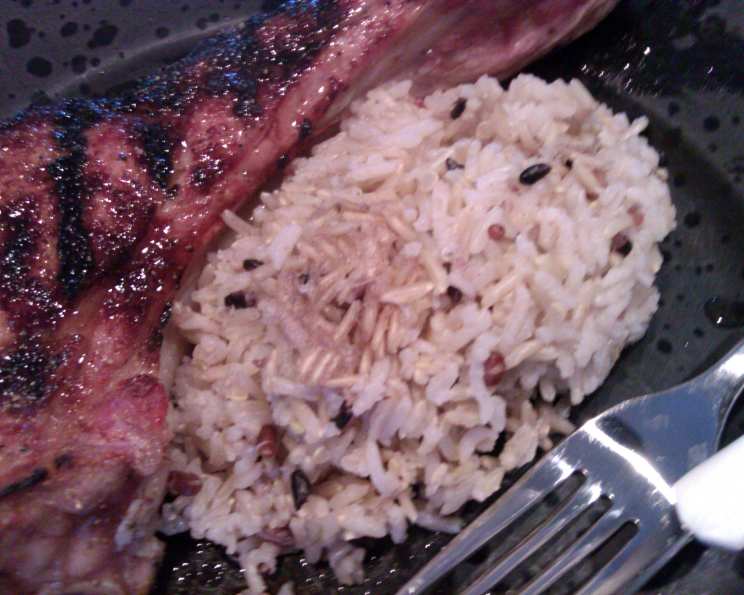
The Versatile Eight-Grain Mélange: A Chef’s Secret Weapon
There’s a certain magic in a well-curated pantry, a collection of staples that can transform a simple meal into something extraordinary. For me, this eight-grain mix is precisely that kind of alchemy. I remember the first time I encountered a similar blend, perhaps at the renowned Medicine restaurant in San Francisco – it was a revelation. It wasn’t just a side dish; it was a foundation, a textural marvel that elevated humble grains to an art form. I started experimenting, creating my own bulk batches to ensure I always had this flavorful, nutritious powerhouse at the ready, a far cry from the often-monotonous rice that typically graced our plates.
Recipe Overview
- Prep Time: 0 minutes
- Cook Time: 0 minutes (This is a dry mix; cooking instructions are separate)
- Total Time: 0 minutes
- Servings: Varies (Depends on how you use it)
- Yield: 7 cups (When all ingredients are combined)
- Dietary Type: Vegan, Vegetarian, Dairy-Free, Gluten-Free (Naturally, though check couscous if strict GF is needed)
Ingredients
This blend is a symphony of textures and flavors, each grain contributing its unique character. The beauty of this mix is its inherent versatility, and the foundational recipe calls for equal parts of each of the following:
- 1 cup Bhutanese Red Rice
- 1 cup Forbidden Black Rice
- 1 cup Germinated Brown Rice
- 1 cup Quinoa
- 1 cup Couscous (toasted)
- 1 cup Buckwheat Groats
- 1 cup Pearl Barley
- 1 cup Spelt
A Note on Couscous: While traditionally made from durum wheat semolina, you can find gluten-free versions of couscous made from corn or rice if dietary restrictions require it. Toasting the couscous before adding it to the mix is a crucial step for developing a nutty depth of flavor.
Equipment Needed
The beauty of this eight-grain mélange is its simplicity. You won’t need any specialized equipment to create the dry mix itself. However, you will need:
- A large mixing bowl for combining the grains.
- A measuring cup for accurate ingredient portions.
- A storage container with a tight-fitting lid.
Instructions
The brilliance of this eight-grain mix lies in its preparation: it’s a simple assembly process, designed for bulk creation. The “cooking” aspect comes when you decide to incorporate it into a dish.
- Prepare the Couscous (If Not Pre-Toasted): If your couscous isn’t already toasted, lightly toast it in a dry skillet over medium heat for 3–5 minutes, stirring frequently, until it becomes fragrant and lightly golden. This step is essential for developing its characteristic nutty flavor. Allow it to cool completely.
- Combine the Grains: In your large mixing bowl, add all the measured ingredients: the Bhutanese red rice, forbidden black rice, germinated brown rice, quinoa, toasted couscous, buckwheat groats, pearl barley, and spelt.
- Mix Thoroughly: Using a large spoon or your hands, gently mix all the grains together until they are evenly distributed. Ensure there are no pockets of a single grain type.
- Store: Transfer the mixed grains into an airtight container. This dry mix can be stored in a cool, dark pantry for several months.
How to Cook the Eight-Grain Mélange:
The beauty of this mix is its adaptability. The suggested ratio for cooking is a guideline, and you can adjust the quantities of the grain mix and liquid to suit your needs.
- Determine Your Ratio: The 1-cup ratio of grain mix to 2 cups of liquid is a fantastic starting point. Feel free to make as much or as little as you like, always maintaining this proportion.
- Combine with Rice (Optional but Recommended): For a truly exceptional side dish, combine 2 ounces of your eight-grain mix with 2 cups of Jasmine or Basmati rice. This addition not only boosts flavor and texture but also adds a beautiful complexity to the familiar aroma of these fragrant rice varieties.
- Cook in a Rice Cooker: The easiest and most reliable method is to use a rice cooker. Add the combined rice and grain mix to your rice cooker pot. Then, add the appropriate amount of liquid – typically an equal amount of water to the total volume of rice and grains (e.g., if you have 2 cups of rice + 2 ounces of grain mix, you’d likely use around 3.5 to 4 cups of liquid, adjusting based on your rice cooker’s recommendations and grain types). Cook according to your rice cooker’s instructions.
- Stovetop Cooking (Alternative): If you don’t have a rice cooker, you can prepare the grains on the stovetop. Combine your grain mix (and rice, if using) with the appropriate amount of liquid in a saucepan. Bring to a boil, then reduce heat to low, cover, and simmer until the liquid is absorbed and the grains are tender. This can take anywhere from 30 to 50 minutes, depending on the grains used. Let it stand, covered, for 10 minutes off the heat before fluffing.
Making Sushi with Your Eight-Grain Mélange:
This blend is surprisingly adept at transforming into sushi rice. The slightly chewy texture and nutty undertones provide a delightful foundation for your favorite sushi creations.
- Prepare the Grain Mix: Cook your eight-grain mélange (either on its own or mixed with rice) as described above.
- Prepare the Sushi Seasoning: While the grains are still warm, whisk together 1/3 cup of rice vinegar, 2 tablespoons of sugar, and 1 teaspoon of salt in a small bowl until the sugar and salt are completely dissolved.
- Season the Grains: Gently fold this seasoning mixture into the warm cooked grains. Be careful not to mash the grains; you want to coat them evenly.
- Cool: Allow the seasoned grains to cool to room temperature before using them for sushi.
Expert Tips & Tricks
As a chef, I’m always looking for ways to elevate everyday ingredients. This eight-grain mix offers numerous opportunities:
- The Power of Toasting: Don’t skip toasting the couscous! It makes a world of difference in developing a complex, nutty flavor that permeates the entire mix.
- Rinse is Optional, But Consider: While not strictly necessary for this blend, rinsing grains like quinoa and buckwheat can sometimes help remove any potential bitterness. However, the germinated brown rice and the rice varieties benefit from their natural starches, so a rinse might not be ideal for them. For this specific mix, I often skip the rinse to embrace the full texture.
- Liquid Ratio is Key: The 1:2 ratio of grain mix to liquid is a good starting point, but remember that different grains absorb liquid differently. Pearl barley, for instance, can take longer and absorb more liquid than quinoa. If you’re cooking a large batch, keep an eye on it and add a splash more liquid if it seems too dry.
- Resting is Crucial: After cooking, letting the grains rest, covered, off the heat for at least 10 minutes allows the steam to redistribute and ensures all the grains are perfectly tender and fluffy.
Serving & Storage Suggestions
This eight-grain mélange is a chameleon in the kitchen, ready to adapt to countless culinary scenarios.
- As a Rice Replacement: Serve it as a hearty and flavorful alternative to plain white rice alongside grilled meats, roasted vegetables, or curries.
- In Salads: Toss cooled grains with chopped fresh herbs, diced cucumber, cherry tomatoes, and a lemon vinaigrette for a vibrant grain salad.
- As a Base for Bowls: Use it as the foundation for Buddha bowls, poke bowls, or grain bowls, layering it with your favorite protein, vegetables, and sauces.
- In Soups and Stews: Stir a scoop into hearty soups and stews during the last 15–20 minutes of cooking to add texture and substance.
- For Sushi: As detailed above, it makes a wonderfully flavorful sushi rice.
Storage: Once cooked, the eight-grain mélange can be stored in an airtight container in the refrigerator for 3 to 4 days. Reheat gently on the stovetop with a splash of water or in the microwave. The dry mix, stored properly in a cool, dark, and dry place, will keep for several months.
Nutritional Information
This eight-grain blend is a powerhouse of fiber, protein, and essential nutrients. While exact figures will vary based on the specific types and brands of grains used, here’s an approximate breakdown per 1-cup cooked serving (assuming a standard cooking ratio and the full mix without added rice):
| Nutrient | Amount per Serving | % Daily Value |
|---|---|---|
| Calories | 515.4 kcal | N/A |
| Total Fat | 3.2 g | 4% |
| Saturated Fat | 0.5 g | 2% |
| Cholesterol | 0 mg | 0% |
| Sodium | 9.9 mg | 0% |
| Total Carbohydrate | 106.9 g | 35% |
| Dietary Fiber | 10.9 g | 43% |
| Sugars | 2.1 g | 8% |
| Protein | 15.6 g | 31% |
| Calories from Fat | N/A | N/A |
| Calories from Fat Pct | N/A | 6% |
Note: Daily values are based on a 2,000-calorie diet. Your daily values may be higher or lower depending on your calorie needs.
Variations & Substitutions
While the eight grains in this recipe create a harmonious balance, you can certainly play with the composition:
- Gluten-Free Focus: If you need a strictly gluten-free version, ensure you use gluten-free certified couscous, or omit it entirely and add an extra portion of another grain like quinoa or amaranth.
- Seed Inclusion: For an extra nutritional boost and delightful crunch, consider adding 1/4 cup of chia seeds or flax seeds to the dry mix.
- Legume Power: Incorporate 1/2 cup of lentils (brown or green work well) for added protein and a different texture.
- Aromatic Enhancements: For a more complex aroma, you can add a bay leaf or a few sprigs of dried thyme to the cooking liquid.
FAQs
Q: Can I make this grain mix gluten-free?
A: Yes, by ensuring your couscous is certified gluten-free or by omitting it and substituting another grain.
Q: How long does the dry eight-grain mix last?
A: When stored properly in an airtight container in a cool, dark pantry, it can last for several months.
Q: Can I use this mix for risotto?
A: Absolutely! It’s a fantastic base for a hearty, textural risotto. You’ll need to adjust the cooking time and liquid gradually, much like traditional Arborio rice.
Q: What is the best way to store cooked eight-grain mélange?
A: Store in an airtight container in the refrigerator for up to 3 to 4 days.
Q: What does “germinated brown rice” mean?
A: It’s brown rice that has been soaked and allowed to sprout slightly. This process is believed to increase its nutritional content and improve digestibility.
Final Thoughts
This eight-grain mélange is more than just a recipe; it’s an invitation to explore the rich tapestry of grains available to us. It’s a testament to how simple ingredients, thoughtfully combined, can yield extraordinary results. I encourage you to embrace this blend, experiment with its applications, and discover your own favorite ways to enjoy its wholesome goodness. It’s the perfect canvas for culinary creativity, and I can’t wait to hear about the delicious dishes you’ll create with it.