
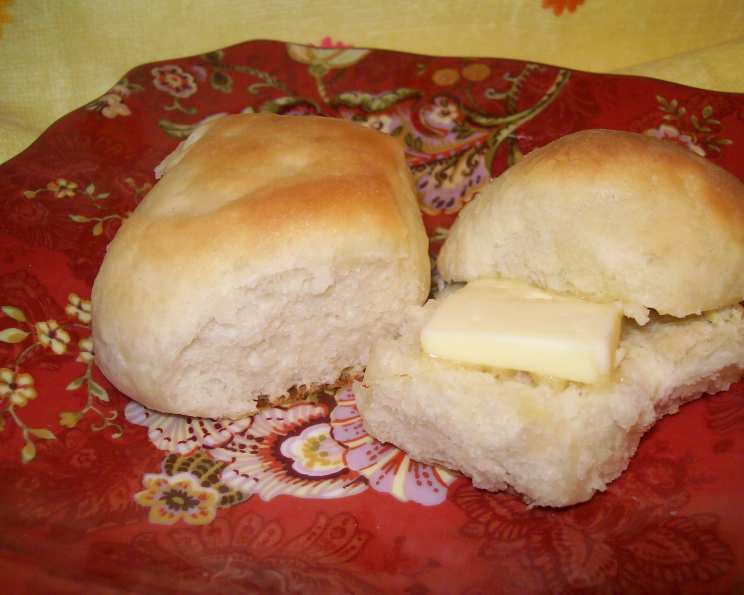
The Magic of 90 Minute Rolls #2: Effortless Excellence in Every Bite
There are certain breads that hold a special place in my heart, recipes that become reliable friends in the kitchen. The “90 Minute Rolls #2” is one of those treasures. I remember the first time I encountered this recipe; it was a chilly autumn evening, and I was craving something warm and comforting to fill my home with that irresistible aroma of freshly baked bread. Skeptical about the “90 minute” claim, I dove in, and was utterly amazed by the speed and ease with which these beautiful, fluffy rolls came together. From a simple mix to a golden-brown masterpiece on the cooling rack in just over an hour, it truly felt like culinary magic. They possess a delightful tenderness and a subtle sweetness that makes them perfect for any occasion.
Recipe Overview
- Prep Time: 10 minutes
- Cook Time: 20 minutes
- Total Time: 1 hour 35 minutes (Includes rise times)
- Servings: 6
- Yield: 12 rolls
- Dietary Type: Vegetarian
Ingredients
This recipe is wonderfully straightforward, relying on pantry staples to create something truly special.
- 2 to 2 1/4 cups all-purpose flour, plus more for kneading
- 2 tablespoons granulated sugar
- 2 1/2 teaspoons fast rising yeast (also known as instant yeast)
- 1/2 teaspoon salt
- 1/2 cup milk
- 1/4 cup water
- 2 tablespoons butter or 2 tablespoons margarine
- Melted butter for brushing (optional, but highly recommended!)
Equipment Needed
While this recipe doesn’t require any exotic equipment, a few essentials will make the process smoother:
- Large mixing bowl
- Medium saucepan
- Electric mixer with dough hook attachment (optional, but helpful for kneading)
- Measuring cups and spoons
- 8-inch round baking pan
- Clean kitchen towel or plastic wrap
- Wire cooling rack
Instructions
The beauty of this recipe lies in its streamlined approach, allowing you to enjoy warm, homemade rolls in under two hours from start to finish.
- In a large mixing bowl, combine 3/4 cup of the all-purpose flour, the granulated sugar, the fast rising yeast, and the salt. Give them a quick whisk to distribute evenly.
- In a medium saucepan, heat the milk, water, and butter (or margarine) until it’s very warm to the touch. The ideal temperature is between 120°F and 130°F (49°C to 54°C). This temperature is crucial for activating the yeast without killing it. If you don’t have a thermometer, it should feel pleasantly warm, like a baby’s bath, not hot.
- Pour the warm liquid mixture into the bowl with the dry ingredients.
- Using an electric mixer with a dough hook attachment, beat the mixture on medium speed for 2 minutes. Make sure to scrape down the sides of the bowl occasionally to incorporate all the ingredients. If you’re mixing by hand, this step will involve vigorous stirring with a wooden spoon for the same duration.
- Add another 1/4 cup of all-purpose flour to the bowl. Beat again for 2 minutes at high speed. This further develops the gluten structure.
- Gradually add enough of the remaining all-purpose flour, about 1/4 cup at a time, stirring until a soft dough forms. The exact amount of flour needed can vary slightly depending on humidity and the type of flour. You’re looking for a dough that is soft but not overly sticky.
- Turn the dough out onto a lightly floured surface. Knead the dough until it becomes smooth and elastic. This typically takes about 8 to 10 minutes of consistent kneading. To test if it’s ready, gently poke the dough with your finger; if the indentation springs back, it’s sufficiently kneaded.
- Cover the bowl with a clean kitchen towel or plastic wrap and let the dough rest in a warm, draft-free place for 10 minutes. This short rest allows the gluten to relax, making the dough easier to handle.
- After the rest, divide the dough into 12 equal pieces. You can do this by eye, or for precision, use a kitchen scale. Shape each piece into a smooth ball by tucking the edges underneath.
- Arrange the dough balls in a greased 8-inch round pan, spacing them slightly apart. They will expand to fill the pan.
- Cover the pan again and let the rolls rise in a warm, draft-free place until they have doubled in size. This usually takes about 30 minutes. A slightly warm oven (turned off) or placing the pan on a rack above a pan of warm water are good methods for creating a warm environment.
- Preheat your oven to 375°F (190°C).
- Bake the rolls for 20 minutes, or until they are golden brown and sound hollow when tapped on the bottom.
- Carefully remove the rolls from the pan immediately after baking. If desired, you can brush the tops with additional melted butter for an extra sheen and flavor boost.
- Serve warm and enjoy the fruits of your quick labor!
Expert Tips & Tricks
- Yeast Activation: Always ensure your milk and water are the correct temperature. Too hot, and you’ll kill the yeast; too cool, and it won’t activate properly, leading to dense rolls.
- Flour Adjustment: The amount of flour can be tricky. Start with the lower end of the range (2 cups) and add more only if the dough is excessively sticky. Over-flouring will result in dry, tough rolls.
- Kneading Technique: Whether by hand or with a mixer, aim for a smooth, elastic dough. This develops the gluten, which is what gives bread its structure and chew.
- Warm Rising Environment: Finding a consistently warm, draft-free spot is key for an even rise. If your kitchen is cool, a slightly warmed (then turned off) oven is your best friend.
- Doneness Test: Don’t be afraid to gently tap the bottom of a roll. A hollow sound is the definitive sign that your rolls are baked through.
Serving & Storage Suggestions
These 90 Minute Rolls #2 are at their absolute best served warm, fresh from the oven. They are perfect as a side to any meal, from a hearty stew to a light salad. They are also delightful on their own with a smear of butter or jam.
For storage, allow the rolls to cool completely before placing them in an airtight container or a resealable plastic bag. At room temperature, they will stay fresh for 1 to 2 days. For longer storage, you can freeze them. Once completely cool, wrap them tightly in plastic wrap, then place them in a freezer-safe bag or container. They will keep in the freezer for up to 2 to 3 months. To reheat, simply warm them in a 350°F (175°C) oven for about 5-10 minutes, or microwave them briefly until heated through.
Nutritional Information
While specific nutritional values can vary based on exact ingredients and portion sizes, here’s an estimated breakdown for one roll:
| Nutrient | Amount per Serving | % Daily Value |
|---|---|---|
| Calories | 110 kcal | |
| Calories from Fat | 25 kcal | |
| Total Fat | 2.8 g | 4% |
| Saturated Fat | 1.6 g | 8% |
| Cholesterol | 7 mg | 2% |
| Sodium | 120 mg | 5% |
| Total Carbohydrate | 19.2 g | 6% |
| Dietary Fiber | 0.8 g | 3% |
| Sugars | 2.3 g | |
| Protein | 3.0 g | 6% |
Note: Nutritional information is an estimate and may vary.
Variations & Substitutions
While this recipe is fantastic as is, here are a few ideas to change it up:
- Herbed Rolls: Incorporate 1-2 tablespoons of finely chopped fresh herbs like chives, parsley, or rosemary into the dough during the kneading stage.
- Garlic Butter Rolls: Brush the tops generously with melted butter mixed with minced garlic and a pinch of garlic powder before baking.
- Whole Wheat Twist: Substitute up to half of the all-purpose flour with whole wheat flour for a nuttier flavor and added fiber. You might need to add a touch more liquid if using all whole wheat.
- Sweet Cinnamon Swirl: Before dividing and shaping, roll the dough into a rectangle, spread with butter, cinnamon, and a sprinkle of sugar, then roll it up tightly and slice into 12 portions.
FAQs
Q: Can I use active dry yeast instead of fast-rising yeast?
A: Yes, you can, but you’ll need to proof the active dry yeast first. Dissolve it with a pinch of sugar in the warm milk and water mixture and let it sit for 5-10 minutes until foamy before proceeding with the recipe.
Q: My dough is too sticky, what should I do?
A: Add additional all-purpose flour a tablespoon at a time until the dough is no longer excessively sticky but still soft. Be careful not to add too much, as this can make the rolls tough.
Q: How do I ensure my rolls rise properly in a cool kitchen?
A: Place the covered dough in a slightly warmed (then turned off) oven, or place the pan on a baking sheet over a pan of warm water. Avoid direct drafts.
Q: What’s the best way to get evenly sized rolls?
A: For consistency, weigh the dough after it has rested and divide the total weight by 12 to determine the weight of each individual roll.
Q: Can I make the dough ahead of time?
A: While this recipe is designed for quick preparation, you can prepare the dough, let it rise once, punch it down, shape it, and then refrigerate it overnight. Let it come to room temperature for about 30 minutes before baking.
Final Thoughts
The 90 Minute Rolls #2 truly live up to their name, offering a delightful balance of speed and flavor. They are a testament to the fact that delicious, homemade bread doesn’t always require hours of waiting. Whether you’re a seasoned baker or just starting your culinary journey, these rolls are sure to become a favorite. Serve them alongside your favorite dinner, or enjoy them as a simple, comforting snack. I encourage you to give this recipe a try, and I’d love to hear about your experience and any delicious variations you discover!