
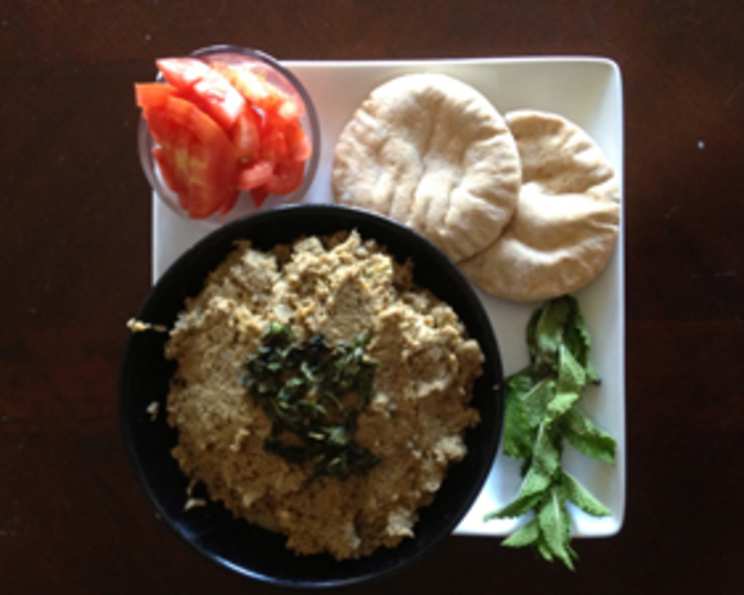
Kashk-E-Bademjan: A Creamy, Smoky Embrace from Persia
There are some dishes that transport you instantly, that carry with them the echoes of bustling bazaars, warm family kitchens, and the comforting aroma of home. Kashk-E-Bademjan is one of those dishes for me. I remember the first time I tasted it, not in a fancy restaurant, but in the modest home of an Iranian friend. The smoky depth of the eggplant, the tangy punch of the kashk (a whey-based dairy product), and the subtle sweetness from the caramelized onions and garlic – it was a revelation. It wasn’t just a dip; it was a story, a complex tapestry of flavors woven with tradition and love. That experience ignited a passion for Persian cuisine, a culinary journey I’ve been joyfully exploring ever since.
Recipe Overview
- Prep Time: 30 minutes
- Cook Time: 30 minutes
- Total Time: 1 hour
- Servings: 4
- Yield: Approx. 2 cups
- Dietary Type: Vegetarian (can be made vegan with substitutions)
Ingredients
This is a dish built on simple, humble ingredients, elevated to something truly magical.
- Eggplant:
- 2 large eggplants
- Salt (for draining)
- For the Onion and Garlic Base:
- 1 tablespoon olive oil
- 1 medium onion, chopped fine
- 4-5 garlic cloves, chopped fine
- 2 tablespoons olive oil
- For the Creamy Finish:
- 1/2 cup kashk (see notes below)
- 1/2 cup sour cream (or full-fat plain yogurt for a tangier profile)
- For Garnish:
- 1 tablespoon olive oil
- 1 tablespoon dried mint
- Salt and pepper to taste
Notes on Kashk: Kashk is a traditional Iranian fermented whey product, similar to a tangy, salty yogurt cheese. It’s essential for the authentic flavor of Kashk-E-Bademjan. If you can’t find it at an international grocery store, you can substitute it with a mixture of 1/4 cup plain full-fat Greek yogurt and 1/4 cup sour cream, with a pinch of salt. For a vegan option, you can experiment with a cashew-based “kashk” or a combination of tahini and lemon juice for tang and richness, though the flavor profile will differ.
Equipment Needed
- Baking sheet
- Sharp knife
- Cutting board
- Large skillet or sauté pan
- Food processor or blender
- Small saucepan
- Serving dish
Instructions
Creating Kashk-E-Bademjan is a journey of coaxing out the best from each ingredient. The smoky depth of the eggplant is paramount, so don’t rush this step!
-
Prepare the Eggplant: Preheat your oven to 325 degrees Fahrenheit. Begin by peeling the eggplants. Make a long slit along the side of each eggplant, lengthwise. This helps them cook more evenly and drain properly. Generously salt the cut surfaces and let the eggplants sit and drain for half an hour. This crucial step draws out excess moisture and any potential bitterness. After draining, rinse the salt off thoroughly under cool water and pat them dry with paper towels.
-
Slice and Bake the Eggplant: Slice the two prepared eggplants thinly lengthwise into 5 or 6 pieces each. Arrange these slices on a baking sheet. Baste both sides of each eggplant slice with olive oil, ensuring they are lightly coated. Place the baking sheet in the preheated oven and cook until the eggplant slices are golden brown and tender. This usually takes about 20-25 minutes, but keep an eye on them to prevent burning.
-
Sauté the Aromatics: While the eggplant is baking, prepare the flavorful base. Chop the onion and garlic cloves fine. In a large skillet or sauté pan, heat 1 tablespoon of olive oil over medium heat. Add the chopped onion and fry until it becomes soft and translucent, about 5-7 minutes. Now, add the chopped garlic cloves and the remaining 2 tablespoons of olive oil to the same pan. Continue to fry for another 2-3 minutes until the garlic is fragrant, being careful not to burn it.
-
Combine and Process: Once the eggplant slices are golden brown and tender, remove them from the oven. Add the cooked eggplant slices directly to the skillet with the sautéed onion and garlic mixture. If the skillet seems dry, you can add another splash of olive oil. Using a food processor or blender, puree this mixture until it reaches a consistency that is chunky but still smooth. You want to retain some texture, not a completely uniform paste.
-
Simmer and Creamify: Return the pureed eggplant mixture to the skillet. Stir in the kashk and the sour cream. Continue to simmer over low heat, stirring occasionally, for about fifteen minutes. This allows the flavors to meld beautifully and the mixture to thicken slightly. Season with salt and pepper to your taste.
-
Garnish and Serve: Carefully place the Kashk-E-Bademjan into a serving dish. For the final flourish, in a smaller pan, heat 1 tablespoon of olive oil over medium heat. Add the dried mint and fry for about 30 seconds until fragrant. Be very careful, as dried mint can burn quickly. Drizzle this fragrant mint oil over the top of the eggplant mixture. Alternatively, you can spoon it over.
Expert Tips & Tricks
To elevate your Kashk-E-Bademjan from good to unforgettable, consider these professional insights:
- Eggplant Selection: Look for firm, smooth-skinned eggplants with no soft spots. Smaller eggplants tend to have fewer seeds and a creamier texture.
- The Smoky Element: For an even deeper smoky flavor, you can grill or broil the eggplant slices instead of baking them. Just ensure they get a good char.
- Kashk Quality: The quality of your kashk makes a significant difference. If you can find a good quality, artisanal kashk, it’s worth the splurge.
- Balancing Flavors: Taste and adjust seasoning as you go. The kashk is salty, so be mindful when adding extra salt. The sour cream should provide a pleasant tang, but you can adjust its quantity to your preference.
- Mint Infusion: Don’t let the mint burn! It should just sizzle for a moment to release its aroma into the oil. Overcooked mint will turn bitter.
Serving & Storage Suggestions
Kashk-E-Bademjan is a versatile dish, best served warm or at room temperature.
Serving: It is traditionally served as a mezze (appetizer) with warm flatbreads like pita bread, lavash, or sangak. Fresh herbs such as parsley or cilantro, and crisp radishes, provide a refreshing contrast to the richness of the dish. A sprinkle of walnuts or pomegranate seeds can also add a delightful textural and flavor dimension.
Storage: Leftovers can be stored in an airtight container in the refrigerator for up to 3-4 days. The flavors often meld and deepen overnight. To reheat, gently warm it on the stovetop over low heat or in a microwave. You can also serve it chilled, though the flavors are most vibrant when slightly warm.
Nutritional Information
While precise nutritional values can vary based on specific ingredients and preparation methods, here’s an estimated breakdown:
| Nutrient | Amount per Serving | % Daily Value |
|---|---|---|
| Calories | 256 kcal | 13% |
| Total Fat | 19.7 g | 30% |
| Saturated Fat | 5.3 g | 26% |
| Cholesterol | 14.9 mg | 4% |
| Sodium | 30.4 mg | 1% |
| Total Carbohydrate | 20 g | 6% |
| Dietary Fiber | 9.8 g | 39% |
| Sugars | 8.6 g | 34% |
| Protein | 3.9 g | 7% |
Note: This information is an estimate and may vary.
Variations & Substitutions
While the classic recipe is divine, there’s always room for culinary creativity:
- Vegan Kashk-E-Bademjan: As mentioned, substitute the kashk with a tahini-lemon mixture or a homemade cashew cream. Use a vegan yogurt or sour cream alternative for the creamy component.
- Spicier Kick: Add a pinch of red pepper flakes to the onion and garlic mixture for a subtle warmth.
- Nutty Crunch: Toast some walnuts and sprinkle them over the finished dish along with the mint oil for added texture and richness.
- Pomegranate Jewels: Fresh pomegranate seeds add a burst of sweet-tartness and a beautiful pop of color, especially in the fall and winter months.
FAQs
Q: Can I make Kashk-E-Bademjan ahead of time?
A: Yes, you can prepare the dish a day in advance. The flavors actually meld beautifully when allowed to rest. Reheat gently on the stovetop or in the oven.
Q: What is the best way to prevent my eggplant from becoming watery?
A: Salting and draining the eggplant slices for at least 30 minutes is key to removing excess moisture and any potential bitterness.
Q: How do I know if my eggplant is cooked enough?
A: The eggplant should be tender enough to be easily pierced with a fork and should have a lovely golden-brown color on both sides.
Q: Can I use fresh mint instead of dried mint for garnish?
A: While dried mint is traditional for the infused oil, you can finely chop fresh mint and sprinkle it over the dish just before serving for a fresh, herbaceous finish.
Q: Is kashk available in most supermarkets?
A: Kashk can be found in Middle Eastern or international grocery stores. If unavailable, the yogurt and sour cream substitution is a good alternative.
Final Thoughts
Kashk-E-Bademjan is more than just a recipe; it’s an invitation to explore the heart of Persian cuisine. It’s a testament to how simple, earthy ingredients can be transformed into something deeply satisfying and complex. I encourage you to embrace its smoky, tangy, creamy allure. Serve it as the star of your mezze platter, alongside warm bread and fresh accompaniments, and savor the rich tapestry of flavors. Don’t be shy to share your creations and feedback – culinary journeys are always richer when shared.