
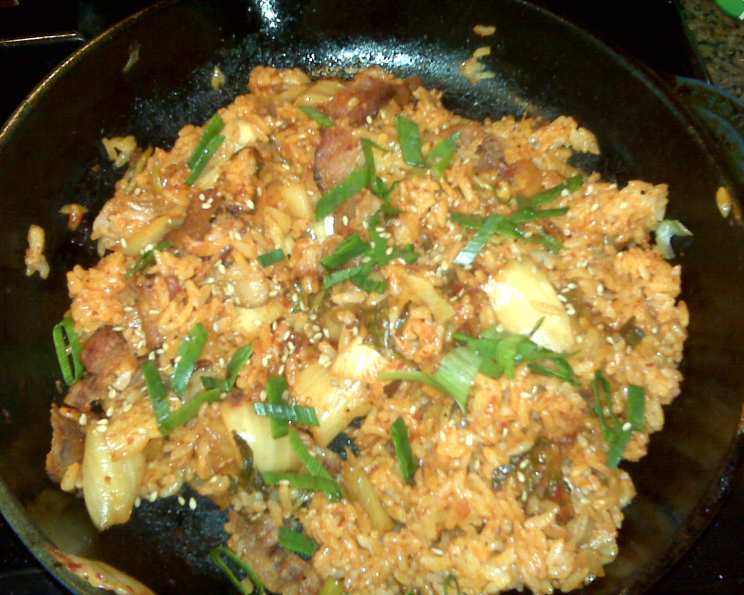
Kimchi Fried Rice: A Symphony of Umami and Comfort
There’s something magical about the way leftover rice, often destined for a quiet slumber in the fridge, can be reborn into something so vibrant and soul-satisfying. I remember the first time my aunt, a true culinary wizard in my childhood eyes, whipped up a batch of this kimchi fried rice for us visiting cousins. The kitchen filled with an irresistible aroma of fermented spice and sizzling pork, a prelude to a dish so simple yet profoundly delicious that it instantly became a family legend. Years later, whenever friends gather at my table, this is the dish they invariably request – a testament to its universal appeal and my enduring fondness for that first transformative bite.
Recipe Overview
- Prep Time: 15 minutes
- Cook Time: 20 minutes
- Total Time: 35 minutes
- Servings: 4
- Yield: 4 servings
- Dietary Type: Adaptable (Can be made Vegetarian/Vegan)
Ingredients
This recipe is wonderfully forgiving and adaptable, a true champion of using what you have on hand.
- For the Fried Rice:
- 1 cup uncooked rice (preferably short or medium grain)
- 2 cups water (for cooking the rice)
- 1/2 lb bacon, chopped
- 1 tablespoon oil (vegetable, olive, or peanut oil are excellent choices)
- 1 cup kimchi, chopped (ensure it’s well-fermented for maximum flavor)
- 1 teaspoon sesame oil
- 1 tablespoon Korean red pepper paste (Gochujang), or more to taste depending on your heat preference
- 1 tablespoon Dashida (Korean beef flavored roasted salt), or to taste (use cautiously as it is quite salty)
- 2 scallions, chopped for garnish
- 1 tablespoon toasted sesame seeds, for garnish
Equipment Needed
While this dish is humble in its origins, a few key tools will ensure success:
- Medium saucepan with a lid (for cooking rice)
- Large skillet or wok
- Spatula or wooden spoon
- Tongs (optional, for handling bacon)
Instructions
The beauty of kimchi fried rice lies in its straightforward preparation. It’s a dish that teaches you to trust your palate and embrace a little culinary improvisation.
-
Cook the Rice: Begin by cooking 1 cup of uncooked rice with 2 cups of water in a medium saucepan over high heat. Bring the mixture to a boil. Once boiling, immediately reduce the heat to low, cover the saucepan tightly with a lid, and let it simmer for 20 minutes. Crucially, resist the urge to lift the lid or stir the rice during this time. After 20 minutes, remove the saucepan from the heat and let it sit, still covered, for another 5 minutes. Finally, fluff the cooked rice gently with a fork. If you are using leftover cooked rice, you can skip this step and proceed to step 3, adding the cold, day-old rice directly after sautéing the kimchi.
-
Crisp the Bacon: While the rice is cooking, fry the chopped bacon in a large skillet or wok over medium heat until it is nice and crispy. Once the bacon is perfectly rendered and golden brown, remove it from the pan using a slotted spoon or tongs, allowing excess grease to drain off. Set the crispy bacon aside. You can drain most of the bacon fat from the pan, leaving just a tablespoon or two for sautéing.
-
Sauté the Kimchi: Add 1 tablespoon of oil to the same skillet or wok (using the reserved bacon fat adds an extra layer of flavor). If you drained all the bacon fat, add your chosen oil. Place the chopped kimchi into the hot skillet over medium-high heat. Sauté the kimchi for about 3 to 5 minutes, stirring occasionally, until it softens and becomes slightly translucent. This process deepens its flavor and mellows its tang.
-
Combine and Flavor: Now, add the cooked rice (either freshly cooked and fluffed, or your leftover rice) to the skillet with the sautéed kimchi. Stir in 1 teaspoon of sesame oil, 1 tablespoon of Gochujang (remember, you can add more if you like it spicier), and 1 tablespoon of Dashida. Add the reserved crispy bacon back into the skillet.
-
Thoroughly Incorporate: Using your spatula or wooden spoon, thoroughly incorporate all the ingredients. Stir and mix until the rice, kimchi, and seasonings are evenly distributed, and the rice grains are coated in the vibrant red hue. Cook for a few more minutes, allowing the flavors to meld and the rice to heat through completely.
-
Adjust Seasoning: Taste the fried rice and adjust the seasoning as needed. Be mindful of the Dashida, as it’s quite salty. You might want to add a pinch more Gochujang for heat or a splash of kimchi juice if you prefer it tangier.
-
Address Dryness (Optional): If the fried rice seems a little dry, don’t hesitate to add a small splash of kimchi juice from the jar. This will add moisture and enhance the authentic kimchi flavor.
-
Garnish and Serve: Once everything is well-combined and heated through, remove the skillet from the heat. Garnish generously with the chopped scallions and toasted sesame seeds.
Expert Tips & Tricks
- Day-Old Rice is Key: For the best texture, always use day-old rice. Freshly cooked rice is too moist and can result in a mushy fried rice. The slightly dried-out grains from refrigeration are perfect for achieving that desirable slightly chewy, distinct grain texture.
- Kimchi Fermentation Matters: The level of fermentation in your kimchi will significantly impact the final flavor. A more sour, well-fermented kimchi will lend a deeper, more complex taste to your fried rice. If your kimchi is very fresh, you might need to add a little extra Gochujang or a splash of rice vinegar for tang.
- Don’t Fear the Fat: While we drain most of the bacon fat, a little bit left in the pan adds an incredible depth of flavor. If you’re not using bacon, the added oil is essential for proper sautéing and preventing sticking.
- Control the Heat: Gochujang varies in spiciness. Start with the recommended tablespoon and add more incrementally until you reach your desired heat level. It’s always easier to add more than to take away!
- Dashida Caution: Dashida is a powerful flavor enhancer, packed with savory umami and salt. Use it judiciously and taste as you go. A little goes a long way.
Serving & Storage Suggestions
Kimchi fried rice is a meal in itself, but it also pairs beautifully with other Korean dishes. Serve it piping hot, straight from the skillet. A fried egg with a runny yolk is a classic and highly recommended accompaniment – the rich yolk coats the rice beautifully. You can also serve it with dried seaweed (gim) for extra crunch and umami.
Leftovers can be stored in an airtight container in the refrigerator for up to 3 days. To reheat, gently warm it in a skillet over medium heat, adding a splash of water or kimchi juice if it seems dry. You can also microwave it, but the skillet method yields a better texture.
Nutritional Information
| Nutrient | Amount per Serving | % Daily Value |
|---|---|---|
| Calories | 497.6 kcal | 25% |
| Total Fat | 32.1 g | 49% |
| Saturated Fat | 9.4 g | 47% |
| Cholesterol | 38.6 mg | 12% |
| Sodium | 474.4 mg | 19% |
| Total Carbohydrate | 40.5 g | 13% |
| Dietary Fiber | 1.4 g | 5% |
| Sugars | 0.2 g | 0% |
| Protein | 10.5 g | 21% |
Note: Nutritional information is an estimate and can vary based on specific ingredients and quantities used.
Variations & Substitutions
- Vegetarian/Vegan Option: For a vegetarian or vegan version, simply omit the bacon and Dashida. Use vegetable broth or water to cook the rice and add a pinch of salt or a vegetarian “beef” bouillon powder. Increase the Gochujang slightly for a bolder flavor. You can also add extra vegetables like peas, corn, or chopped carrots for added texture and nutrition.
- Protein Powerhouse: Add other proteins like diced firm tofu, cooked shrimp, or thinly sliced chicken or pork. Sauté these before adding the kimchi and rice.
- Extra Veggies: Feel free to toss in other vegetables like chopped onions, garlic, mushrooms, or bell peppers when you sauté the kimchi for added color and nutrients.
- Cheese Please: For a Korean-Italian fusion twist, stir in some shredded mozzarella cheese at the end and let it melt into the hot rice. It sounds unconventional, but it’s surprisingly delicious!
FAQs
Q: Why is day-old rice better for kimchi fried rice?
A: Day-old rice has had time to dry out slightly, preventing the fried rice from becoming mushy and allowing each grain to remain distinct and absorb flavors better.
Q: Can I use fresh kimchi instead of fermented kimchi?
A: While you can use fresh kimchi, well-fermented kimchi provides a deeper, tangier, and more complex flavor profile that is ideal for fried rice. If using fresh, you may need to adjust seasonings for added acidity.
Q: How spicy is Gochujang?
A: Gochujang’s spice level can vary by brand. It’s always best to start with the recommended amount and add more gradually to achieve your desired heat.
Q: What if I don’t have Dashida?
A: You can substitute Dashida with a small amount of beef bouillon powder or a pinch of MSG for that umami boost. However, be very mindful of the salt content and adjust accordingly.
Q: Can I make this dish ahead of time?
A: Kimchi fried rice is best enjoyed fresh. While leftovers can be stored and reheated, the texture is optimal when made just before serving.
Final Thoughts
Kimchi fried rice is more than just a meal; it’s a culinary hug, a testament to the power of humble ingredients transformed into something extraordinary. It’s the perfect dish for a quick weeknight dinner, a satisfying lunch, or a comforting solo meal. Whether you’re a seasoned cook or just starting your culinary journey, this recipe is designed to bring joy and deliciousness to your table. Don’t hesitate to experiment with the variations and make it your own. I’d love to hear about your creations and how this vibrant dish brightens your day!