
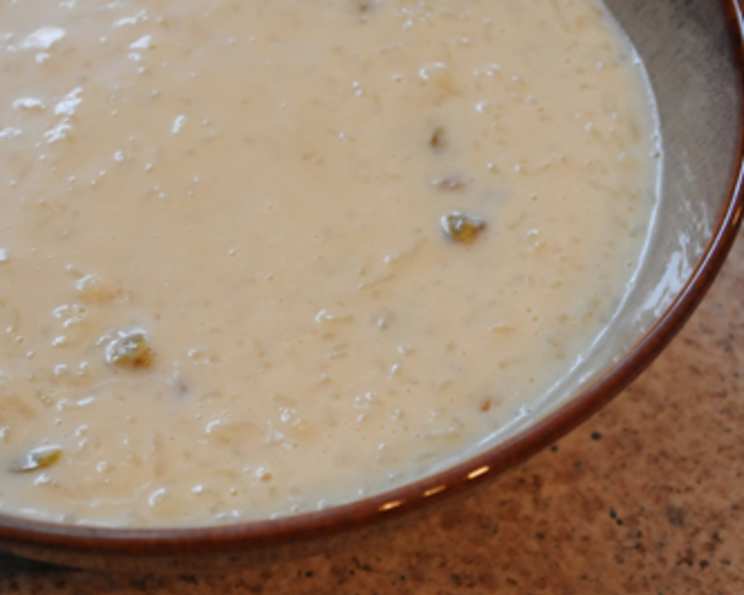
Khejur Gur Er Paayesh: A Symphony of Date Palm Jaggery and Rice Pudding
The scent of warm milk and sweet spices is one that instantly transports me back to my childhood, to the bustling kitchens of Kolkata during winter. While I’m not a native Bengali, my travels have gifted me a deep appreciation for the subcontinent’s diverse culinary landscape. It was during my 28th stop for “Travel by Stove,” where I immerse myself in a dish from each nation and sub-nation, that I encountered Khejur Gur Er Paayesh. To be honest, I’ve never been a huge fan of rice pudding in general; it often feels too heavy or overly sweet. But this Bengali rendition, with its delicate balance and the profound, earthy sweetness of date palm jaggery, utterly captivated me. It’s a dessert that whispers stories of its origin, a testament to the magic that simple, quality ingredients can create.
Recipe Overview
- Prep Time: 15 minutes
- Cook Time: 40-60 minutes
- Total Time: 55-75 minutes
- Servings: 4-6
- Yield: 1 large pot of pudding
- Dietary Type: Vegetarian
Ingredients
- 5 1⁄2 cups whole milk
- 1 3⁄4 cups half-and-half
- 2⁄3 cup basmati rice
- 1⁄2 teaspoon ghee, melted
- 1 handful golden raisins, soaked in water
- 3-4 Indian bay leaves
- 1 cup white sugar
- 3⁄4 cup date palm jaggery (khejur gur)
Equipment Needed
- Large, heavy-bottomed pot or saucepan
- Fine-mesh strainer
- Measuring cups and spoons
- Stirring spoon or whisk
- Small plate (for testing doneness)
Instructions
The creation of Khejur Gur Er Paayesh is a journey of patience and gentle coaxing, transforming humble ingredients into a dessert that sings with warmth and complex sweetness. It begins with the rice, the very heart of our pudding.
-
Prepare the Rice: Begin by thoroughly washing the basmati rice in a fine-mesh strainer. Continue rinsing until the water runs clear. This essential step removes excess starch, preventing the pudding from becoming gluey and ensuring each grain retains a pleasant texture. Once washed, drain the rice completely. In a small bowl, add the melted ghee and stir the drained rice to coat each grain. This subtle greasing helps to keep the rice from clumping together as it cooks.
-
Infuse the Milk: In a large, heavy-bottomed pot or saucepan, combine the whole milk and half-and-half. The heavy bottom is crucial here; it distributes heat evenly, minimizing the risk of scorching the milk as it simmers. Gently add the Indian bay leaves to the milk mixture. These aromatic leaves will impart a subtle, fragrant note to the pudding as it cooks.
-
Bring to a Boil and Add Rice: Place the pot over medium-high heat and bring the milk mixture just to a boil. Watch it closely, as milk can boil over very quickly. Once it reaches a gentle boil, reduce the heat to low and carefully add the ghee-coated basmati rice.
-
Cook the Rice: Begin stirring the rice into the milk mixture. Continue stirring gently and consistently for approximately 10 minutes. During this initial stage, your focus is on ensuring the rice begins to cook and soften, but more importantly, that it doesn’t stick to the bottom of the pot. The goal is for the rice to be tender but not fully cooked at this point.
-
Check Rice Doneness: It is vital to check the rice at this stage. The rice needs to be cooked through before you introduce the sugars. If you add sugar too early, it can create an osmotic barrier, preventing the rice grains from absorbing liquid and softening properly, leaving you with a gritty texture. Gently taste a few grains of rice; they should be tender and easily chewable.
-
Incorporate Sugar and Thicken: Once the rice is confirmed to be cooked through, it’s time to add the white sugar. Continue stirring diligently. This is where the transformation truly begins. As the sugar dissolves and the milk gradually reduces, the pudding will start to thicken. This process requires patience, and can take between 40 and 60 minutes. Keep stirring throughout this period, scraping the bottom and sides of the pot to prevent any sticking or burning. The constant movement ensures an even reduction and a smooth, creamy consistency.
-
Test for Doneness: To determine if the paayesh has reached the desired thickness, perform a simple test. Pour a small amount of the pudding into the center of a clean plate. If the milk doesn’t flow freely and instead stays in a button shape in the middle of the plate, it is ready. This indicates that the pudding has thickened sufficiently. Once it passes this test, take the pot off the heat.
-
Add the Jaggery and Raisins: Allow the pudding to sit for approximately five minutes off the heat. This brief resting period helps the pudding to settle slightly. Then, it’s time to add the date palm jaggery. If your jaggery is in a solid block form, as mine often is, you will need to crush it into smaller pieces beforehand to ensure it melts smoothly into the warm pudding. Stir until the jaggery has completely dissolved, imbuing the paayesh with its characteristic deep, caramel-like sweetness and subtle earthy notes. Finally, add the soaked raisins.
-
Chill or Serve Warm: If you plan on serving the paayesh cold, cover the pot and place it in the refrigerator until you are ready to eat. For those who prefer their pudding warm, it can be served immediately after the jaggery and raisins have been incorporated.
Expert Tips & Tricks
- Rice Quality Matters: While any basmati rice will work, using a premium quality basmati rice will yield a more fragrant and distinct flavor profile. The longer the grain, the better the texture.
- Gentle Heat is Key: Resist the temptation to rush the thickening process by using high heat. Low and slow is the mantra here. Scorching the milk will impart a bitter, burnt flavor that is difficult to mask.
- Don’t Skip the Stirring: Consistent stirring is not just about preventing sticking; it also helps to break down the rice grains slightly, contributing to a creamier texture.
- Jaggery Variations: Khejur gur (date palm jaggery) is ideal, but if unavailable, other traditional Indian jaggery varieties can be used. Ensure it’s of good quality; a strong, molasses-like jaggery might overpower the delicate flavors.
- Sweetness Adjustment: The sweetness is subjective. You can adjust the white sugar and jaggery amounts slightly to your preference, but try to maintain the balance of both for the authentic flavor.
Serving & Storage Suggestions
Khejur Gur Er Paayesh is a versatile dessert, delightful served both warm and cold. When serving warm, its comforting aroma is part of the experience. For a chilled treat, the flavors meld beautifully, offering a refreshing sweetness. Garnish with a few slivered pistachios or almonds for a touch of crunch and visual appeal, though this is entirely optional.
Leftovers can be stored in an airtight container in the refrigerator for up to 3 days. While it can be frozen, the texture might change slightly upon thawing. If serving from chilled, allow it to sit at room temperature for about 15-20 minutes before serving to take the edge off the chill. Reheating can be done gently on the stovetop over low heat, with a splash of milk if it has thickened too much.
Nutritional Information
| Nutrient | Amount per Serving (approx.) | % Daily Value (approx.) |
|---|---|---|
| Calories | 799.9 kcal | |
| Calories from Fat | ||
| Total Fat | 24.5 g | 37% |
| Saturated Fat | 14.3 g | 71% |
| Cholesterol | 74.1 mg | 24% |
| Sodium | 190.7 mg | 7% |
| Total Carbohydrate | 132 g | 44% |
| Dietary Fiber | 1.1 g | 4% |
| Sugars | 104.7 g | 418% |
| Protein | 16.2 g | 32% |
(Please note: Nutritional values are estimates and can vary based on specific ingredients and quantities used.)
Variations & Substitutions
While this recipe celebrates the traditional preparation, a few thoughtful variations can be explored:
- For a Richer Pudding: Instead of solely using whole milk and half-and-half, you could incorporate a portion of heavy cream for an even more decadent texture.
- Nutty Undertones: A few crushed cardamom pods can be added along with the bay leaves for an extra layer of aromatic complexity. Remove them before serving.
- Vegan Adaptation: This is a challenge for a traditional dairy-based paayesh, but one could experiment with full-fat coconut milk and a good quality vegan jaggery. The texture and flavor profile will undoubtedly differ.
- Boozy Raisins: Soak the golden raisins in a tablespoon of rum or brandy for an hour before adding them for a sophisticated twist.
FAQs (Frequently Asked Questions)
Q: Why is my rice pudding not thickening?
A: Ensure you are using a heavy-bottomed pot and simmering on low heat without excessive stirring once the rice is cooked. The rice itself needs to break down slightly, and the milk needs to reduce significantly to achieve the correct consistency.
Q: Can I use short-grain rice instead of basmati?
A: While basmati is preferred for its aroma and texture, short-grain rice can be used. You might need to adjust the cooking time slightly, and the final consistency might be a bit starchier.
Q: What is jaggery and where can I find it?
A: Jaggery is an unrefined cane sugar common in South Asia and Southeast Asia. It has a rich, molasses-like flavor. You can typically find it in Indian grocery stores or specialty food markets. Many online retailers also carry it.
Q: How do I prevent the milk from scorching?
A: Use a heavy-bottomed pot, stir frequently, and maintain a gentle simmer rather than a rolling boil, especially after adding the rice.
Q: Is it okay to add the jaggery earlier?
A: It’s best to add the jaggery after the rice is fully cooked and the pudding has begun to thicken. Adding it too early can interfere with the rice’s ability to cook properly.
Final Thoughts
Khejur Gur Er Paayesh is more than just a dessert; it’s a comforting embrace, a taste of Bengali tradition that speaks of warmth and shared moments. The delicate dance between the creamy milk, tender rice, and the distinctive sweetness of date palm jaggery creates a symphony of flavors that lingers long after the last spoonful. I encourage you to embark on this culinary journey, to experience the simple yet profound joy this pudding offers. Serve it to your loved ones, perhaps after a hearty meal of Bengali staples like Shukto or Machher Jhol, and share in the sweet pleasure of this truly special dessert. I would be delighted to hear about your own experiences and any personal touches you bring to this cherished recipe.