
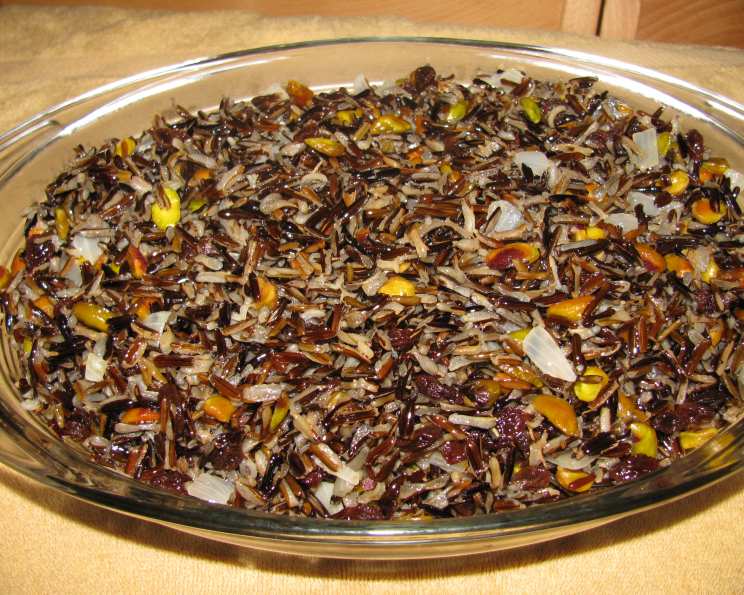
A Culinary Embrace: My Cherished Wild Rice Stuffing/Side Dish
The scent of toasted nuts and the subtle sweetness of dried fruit mingling with earthy wild rice is, for me, the very essence of autumn and the anticipation of holidays. This particular wild rice recipe holds a special place in my heart. It’s a dish I’ve returned to for years, a reliable star on my festive table, yet its origins remain a bit of a mystery, lost somewhere in the vast archives of well-loved cookbooks or perhaps a cherished family heirloom recipe card. It’s the kind of dish that tastes familiar yet unique, comforting and sophisticated all at once. I’ve searched high and low to find its original source, but it seems to have slipped through the digital cracks, making its preservation here all the more important. It’s a testament to its deliciousness that it stands so proudly on its own, a versatile side that can easily be adapted to suit different dietary needs.
Recipe Overview
- Prep Time: 20 minutes
- Cook Time: 55 minutes (includes rice cooking time)
- Total Time: 1 hour 15 minutes
- Servings: 8-10
- Yield: Approximately 6 cups
- Dietary Type: Can be made Vegan
Ingredients
Here’s what you’ll need to create this delightful dish:
- 5-6 tablespoons butter (for a vegan version, use your favorite vegan butter alternative)
- 1/2 red onion, finely chopped
- 1 cup raisins, soaked in brandy for 20 minutes (optional, but highly recommended for a touch of sophistication)
- 1 cup shelled pistachio nuts, dry roasted
- 2 cups wild rice, uncooked
- Good quality salt, to taste
Equipment Needed
A few essential tools will make preparing this dish a breeze:
- Medium saucepan with a lid (for cooking the rice)
- Fine-mesh sieve (for draining the rice)
- Large skillet (for sautéing the aromatics and combining ingredients)
- Measuring cups and spoons
- Wooden spoon or spatula
Instructions
Crafting this wild rice dish is a straightforward process, yielding a flavorful and texturally rich side that will impress your guests.
- Cook the Wild Rice: Begin by preparing the wild rice. For every 1 cup of uncooked wild rice, you will need 4 cups of water. Combine the wild rice and water in a medium saucepan. Add a good pinch of salt. Bring the mixture to a boil over medium-high heat. Once boiling, reduce the heat to low, cover the saucepan tightly, and simmer for about 45 minutes, or until the wild rice is tender and the grains have split open.
- Drain and Set Aside: Once the wild rice is cooked, carefully drain any excess water using a fine-mesh sieve. Gently set the cooked rice aside. This step is crucial as it allows the rice to cool slightly and prevents it from becoming mushy. Notably, the wild rice can be cooked ahead of time and stored in the refrigerator, which significantly speeds up the assembly of the final dish.
- Sauté the Aromatics: While the rice is cooking or once it’s drained and set aside, you can begin the flavorful base. Heat a large skillet over medium heat. Add the butter (or vegan butter alternative) and allow it to melt. Once the butter is melted and shimmering, add the chopped red onion. Sauté, stirring occasionally, until the onion becomes fragrant and translucent, which typically takes about 5-7 minutes. You want to soften the onion and release its sweet, pungent aroma without browning it.
- Combine the Flavors: Next, drain the raisins from their brandy bath, reserving the brandy for another use if desired. Add the drained raisins to the skillet with the softened onion. Introduce the dry roasted pistachio nuts and the cooked wild rice to the skillet as well.
- Warm Through: Cook this delightful mixture, stirring gently, for approximately 10 minutes. The goal here is to warm everything through nicely, allowing the flavors to meld and the rice to become evenly coated with the melted butter and the essences of the onion and raisins.
- Season and Adjust: After 10 minutes, taste the mixture. This is your opportunity to add additional butter if you desire a richer mouthfeel or more moisture. Similarly, add salt to your preference. It’s important to note that the flavors of this dish are wonderfully subtle, and they tend to develop even more as the dish rests. Therefore, err on the side of slightly under-seasoning initially, as the flavors will intensify.
- Resting for Flavor Development: This dish benefits from a brief resting period. Allowing it to sit for a short while before serving lets the subtle flavors truly blossom and harmonize.
Expert Tips & Tricks
To elevate your wild rice stuffing from good to absolutely unforgettable, consider these professional insights:
- Rice Consistency is Key: The success of this dish hinges on perfectly cooked wild rice. Ensure you follow package directions or the 1:4 rice-to-water ratio diligently. Overcooked rice will be mushy, while undercooked rice will be tough. If you’re unsure, taste a grain after about 40 minutes.
- Brandy-Soaked Raisins: While optional, soaking the raisins in brandy (or even a dry sherry or white wine) is a game-changer. It plumps up the raisins and infuses them with a complex, sophisticated sweetness that beautifully complements the nutty wild rice. Don’t skip this if you can help it!
- Toasted Nuts for Maximum Flavor: Always use dry roasted pistachios. If you have raw ones, take a few minutes to lightly toast them in a dry skillet over medium heat until fragrant. This unlocks their full nutty potential.
- The Power of Resting: I cannot emphasize enough the importance of letting this dish rest after cooking. The flavors are not loud or aggressive; they are nuanced and require time to marry. This is especially true if you’re making it ahead.
- Make-Ahead Marvel: This recipe is a make-ahead dream. Cook the wild rice a day or two in advance and store it in an airtight container in the refrigerator. When ready to serve, follow steps 3-7, adjusting cooking time slightly to ensure everything is heated through.
Serving & Storage Suggestions
This versatile Wild Rice Stuffing/Side Dish is a welcome addition to any meal, from weeknight dinners to elaborate holiday feasts.
- Serving: Serve this dish warm as a sophisticated accompaniment to roasted poultry, pork, or even grilled fish. Its earthy flavors and satisfying texture make it an excellent vegetarian main course when paired with hearty vegetables or a hearty grain salad. It also shines as a stuffing for mushrooms or as a delightful side for holiday roasts.
- Storage: Leftovers can be stored in an airtight container in the refrigerator for up to 3-4 days. The flavors often deepen and improve with time.
- Reheating: To reheat, gently warm the stuffing in a skillet over low heat, adding a tablespoon or two of butter or water if it seems a bit dry. Alternatively, you can reheat it in a covered oven-safe dish at 300°F (150°C) until heated through.
Nutritional Information
Here’s an approximate nutritional breakdown for this delicious dish, keeping in mind that exact values can vary based on ingredient brands and precise measurements.
| Nutrient | Amount per Serving (approx.) | % Daily Value (approx.) |
|---|---|---|
| Calories | 350 kcal | 18% |
| Total Fat | 18 g | 23% |
| Saturated Fat | 8 g | 40% |
| Cholesterol | 30 mg | 10% |
| Sodium | 120 mg | 5% |
| Total Carbohydrate | 40 g | 15% |
| Dietary Fiber | 5 g | 18% |
| Sugars | 15 g | 30% |
| Protein | 8 g | 16% |
| Vitamin A | 10% | |
| Vitamin C | 2% | |
| Calcium | 4% | |
| Iron | 15% |
Note: Calculations are estimates and can vary.
Variations & Substitutions
While this recipe is wonderful as is, it’s also a fantastic canvas for customization:
- Add Fresh Herbs: For a burst of freshness, stir in a tablespoon or two of freshly chopped parsley or chives just before serving.
- Incorporate Other Dried Fruits: Cranberries, dried apricots, or chopped dates can be used in place of or in addition to the raisins for a different fruity profile.
- Nutty Adventures: Pecans or walnuts can be substituted for pistachios, offering a different depth of flavor. Toasting them is still recommended.
- Aromatic Boost: For an extra layer of savory depth, consider adding a finely chopped shallot or a minced clove of garlic along with the red onion.
- Vegan Adaptation: As mentioned, this recipe is easily made vegan by simply using a good quality vegan butter alternative.
FAQs
Q: Can I make the wild rice ahead of time?
A: Absolutely! Cooking the wild rice a day or two in advance is a great time-saver. Store it in an airtight container in the refrigerator and reheat it with the other ingredients.
Q: What is the best way to ensure the wild rice is cooked perfectly?
A: Use a 1:4 ratio of wild rice to water and simmer gently, covered, for about 45 minutes. Taste a grain to check for tenderness; it should be chewy but not hard.
Q: Can I omit the raisins?
A: Yes, you can omit the raisins if they are not to your liking. However, they add a lovely sweetness and moisture that contributes to the dish’s balance.
Q: How do I make this dish vegan?
A: Simply substitute the butter with your favorite plant-based butter alternative.
Q: Is this dish suitable as a stuffing?
A: Yes, this dish is excellent as a stuffing. Its texture and flavor profile are well-suited to fill poultry or vegetables.
A Final Flourish
This Wild Rice Stuffing/Side Dish is more than just a recipe; it’s an invitation to create a dish that is both comforting and elegant. Its understated elegance means it pairs beautifully with a crisp Chardonnay or a light-bodied Pinot Noir. I encourage you to bring this recipe into your kitchen, to experience its subtle magic, and to make it your own. Share its delightful aroma and taste with your loved ones, and know that you are partaking in a culinary tradition, even if its exact origins remain a sweet mystery. I’d be delighted to hear about your experiences and any creative twists you bring to this cherished dish.