
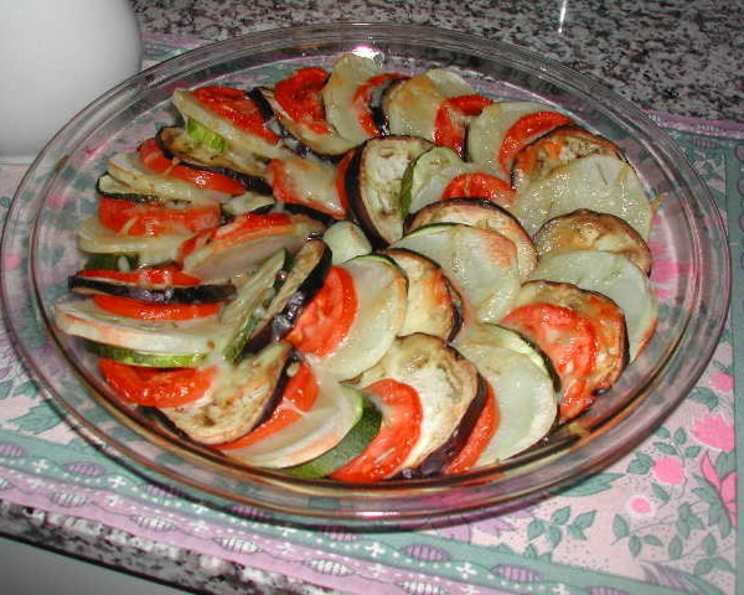
The Symphony of Summer Vegetables: A Fresh Vegetable Tian
There’s a certain magic that happens when simple, summer vegetables are coaxed into a harmonious presentation. I remember the first time I encountered a vegetable tian – it was at a rustic French countryside inn, the kind where the air hums with cicadas and the scent of sun-baked earth. The dish arrived, a vibrant mosaic of thinly sliced produce, each vegetable holding its own distinct color and form, yet melting together into a comforting, tender masterpiece. It wasn’t just a side dish; it was a celebration of the season’s bounty, a testament to the power of letting fresh ingredients speak for themselves. This memory still guides my approach to this dish, reminding me to select the freshest produce and allow its natural sweetness to shine through.
Recipe Overview
- Prep Time: 30 minutes
- Cook Time: 40-50 minutes
- Total Time: 1 hour 10 minutes – 1 hour 20 minutes
- Servings: 4-6
- Yield: 1 9″ x 13″ baking dish
- Dietary Type: Vegetarian, adaptable to Vegan (omit cheese)
Ingredients
The beauty of this tian lies in its simplicity, allowing the inherent flavors of the vegetables to take center stage. When selecting your produce, aim for vegetables that are roughly the same diameter. This not only makes the arrangement easier but also ensures more even cooking and a more visually appealing final dish.
- 4 tablespoons olive oil, divided
- 2 medium baking potatoes, peeled and thinly sliced (about 1/8-inch thick)
- 1 small Japanese eggplant, thinly sliced on the diagonal (about 1/8-inch thick)
- 1 small zucchini, thinly sliced on the diagonal (about 1/8-inch thick)
- 4 plum tomatoes, thinly sliced (about 1/8-inch thick)
- Coarse salt, to taste
- Fresh ground black pepper, to taste
- 4 sprigs fresh rosemary
- 1 head garlic
- 1/3 cup shredded Gruyère cheese (optional, for topping)
- Crusty bread, sliced 1/2 inch thick and toasted, for serving (optional)
Equipment Needed
- A sharp knife for slicing vegetables
- A 9″ x 13″ baking dish
- Baking sheet (optional, for toasting bread)
Instructions
Crafting this tian is a meditative process, a gentle layering of nature’s finest. The goal is to create a tender, deeply flavored dish where each vegetable retains its integrity while contributing to a cohesive whole.
-
Preheat and Prepare the Dish: Begin by preheating your oven to 400°F (200°C). Lightly grease a 9″ x 13″ baking dish with 1 tablespoon of olive oil. This initial greasing provides a foundation and prevents the vegetables from sticking.
-
Arrange the Vegetables: This is where the visual artistry of the tian comes to life. Arrange the vegetables in the prepared baking dish in slightly overlapping rows. The order here is key for both aesthetics and even cooking: alternate potato, eggplant, zucchini, and tomato. Continue this pattern, creating a beautiful, layered effect, ensuring each slice has a chance to caramelize and soften.
-
Season and Infuse: Once the vegetables are artfully arranged, it’s time to season. Season generously with coarse salt and fresh ground black pepper. The salt will draw out some moisture and enhance the natural sweetness of the vegetables, while the pepper adds a gentle warmth. Next, place the rosemary sprigs strategically on top of the vegetables. The rosemary will gently infuse its aromatic essence throughout the dish as it bakes. In the center of the dish, nestled among the vegetables, place the head of garlic. The heat of the oven will transform the raw garlic cloves into wonderfully sweet, soft, and spreadable morsels.
-
Drizzle with Olive Oil: Finally, drizzle the remaining 3 tablespoons of olive oil evenly over the entire arrangement of vegetables, rosemary, and garlic. This oil is crucial for tenderizing the vegetables and encouraging a beautiful golden-brown hue.
-
Bake Until Tender: Place the baking dish in the preheated oven. Bake for 40-50 minutes, or until the vegetables are tender to the touch and the garlic is soft.
-
Moisture Management: To ensure the dish remains moist and the vegetables are perfectly tender rather than dried out, a crucial step is to swirl the dish to move the oil around every 10 minutes during the baking process. This redistributes the rendered juices and oil, preventing any parts from becoming dry.
-
Finish and Serve: Once the vegetables have reached optimal tenderness, remove the dish from the oven. Carefully remove the rosemary sprigs. Set the head of garlic aside to cool slightly. Once the garlic is cool enough to handle, squeeze the soft, roasted garlic flesh from its skin into a small bowl and mash it with a fork. You can then either spread this mashed garlic directly onto the vegetables for an integrated flavor, or offer it on the side to spread onto the toasted crusty bread, if using.
-
Melt the Cheese (Optional): If you’re using the Gruyère, sprinkle the vegetables with the shredded cheese. Return the dish to the oven for an additional 2-3 minutes, or just until the cheese is melted and lightly golden. Be careful not to overcook at this stage; you want the cheese to be gooey, not browned.
-
Serve Warm: Serve the tian warm, allowing your guests to marvel at its vibrant colors and savor the depth of flavor achieved through simple preparation.
Expert Tips & Tricks
- Uniformity is Key: When slicing your vegetables, using a mandoline on a very thin setting (around 1/8-inch) will ensure perfect uniformity, leading to even cooking and a professional presentation. If you don’t have a mandoline, take your time and slice as thinly and evenly as possible with a sharp knife.
- Garlic Love: Don’t skip the whole head of garlic! Roasting it whole in the tian transforms it into a sweet, mellow paste that adds an incredible layer of flavor without the sharp bite of raw garlic. Squeezing the flesh out is surprisingly easy once it’s roasted.
- Herb Variations: While rosemary is a classic pairing, you can experiment with other herbs like thyme or a blend of herbes de Provence. Be mindful of their intensity; start with a lighter hand if using stronger herbs.
- Prepping Ahead: While best served fresh, you can slice your vegetables a few hours in advance and store them in separate airtight containers in the refrigerator, separated by type. This will help prevent them from becoming waterlogged. Assemble and bake just before serving.
Serving & Storage Suggestions
This vegetable tian is a versatile dish, equally at home as a sophisticated side at a dinner party or as a light, satisfying main course. Serve it warm, allowing the aromas to entice your diners. The toasted crusty bread is the perfect vehicle for scooping up any delicious juices and softened vegetables.
Leftovers can be stored in an airtight container in the refrigerator for 2-3 days. To reheat, gently warm the tian in a 350°F (175°C) oven for about 15-20 minutes, or until heated through. You can also reheat individual portions in the microwave. Be aware that the texture might soften slightly upon reheating, but the flavor will remain delicious.
Nutritional Information
(Note: Nutritional values are approximate and can vary based on ingredient brands and specific quantities used. Cheese addition will increase values for fat, saturated fat, and calories.)
| Nutrient | Amount per Serving | % Daily Value |
|---|---|---|
| Calories | 281.3 kcal | |
| Total Fat | 16.9 g | 26% |
| Saturated Fat | 3.7 g | 18% |
| Cholesterol | 9.9 mg | 3% |
| Sodium | 44.1 mg | 1% |
| Total Carbohydrate | 28.6 g | 9% |
| Dietary Fiber | 6.5 g | 26% |
| Sugars | 5.6 g | 22% |
| Protein | 7 g | 13% |
Variations & Substitutions
This tian is a wonderful canvas for seasonal produce.
- Root Vegetable Twist: Instead of potatoes, consider using thinly sliced sweet potatoes or parsnips for a touch of sweetness and a different flavor profile.
- Bell Pepper Addition: Thinly sliced bell peppers (any color) can add a lovely sweetness and vibrant hue to the mix.
- Onion Layer: A layer of thinly sliced red onion or shallots can be incorporated for an extra layer of savory depth.
- Vegan Delight: To make this dish completely vegan, simply omit the Gruyère cheese at the end. The natural flavors of the vegetables will shine beautifully without it.
FAQs
Q: Why is it important to slice the vegetables thinly and uniformly?
A: Thin, uniform slices ensure that all the vegetables cook at the same rate, preventing some from becoming mushy while others remain undercooked. It also contributes to the elegant visual appeal of the tian.
Q: Can I use different types of potatoes?
A: While baking potatoes are recommended for their starch content which lends a creamy texture, other waxy potatoes like Yukon Gold can also be used, though they may hold their shape a bit more.
Q: My vegetables seem a bit dry after baking. What went wrong?
A: Ensure you are swirling the dish with the oil every 10 minutes during baking. This redistributes the moisture and fat, preventing dryness. Also, double-check your oven temperature; if it runs hot, the vegetables might dry out faster.
Q: Can I add herbs other than rosemary?
A: Absolutely! Thyme, oregano, or a mix of Mediterranean herbs like herbes de Provence would also be delicious. Use them in moderation to complement, not overpower, the vegetables.
Q: How do I make sure the garlic is soft and not burnt?
A: Placing the whole head of garlic in the center of the dish, surrounded by the vegetables and oil, provides gentle, indirect heat. This allows it to roast slowly and become beautifully soft and sweet without burning.
Final Thoughts
There’s a profound satisfaction in creating a dish that is both visually stunning and deeply nourishing, and this Fresh Vegetable Tian embodies that perfectly. It’s a recipe that encourages you to connect with the seasons and the inherent goodness of fresh ingredients. I hope you find as much joy in preparing and sharing this tian as I do. Gather your freshest vegetables, embrace the meditative process, and let the symphony of flavors unfold. Serve it proudly, and I’m eager to hear about your own culinary creations!