
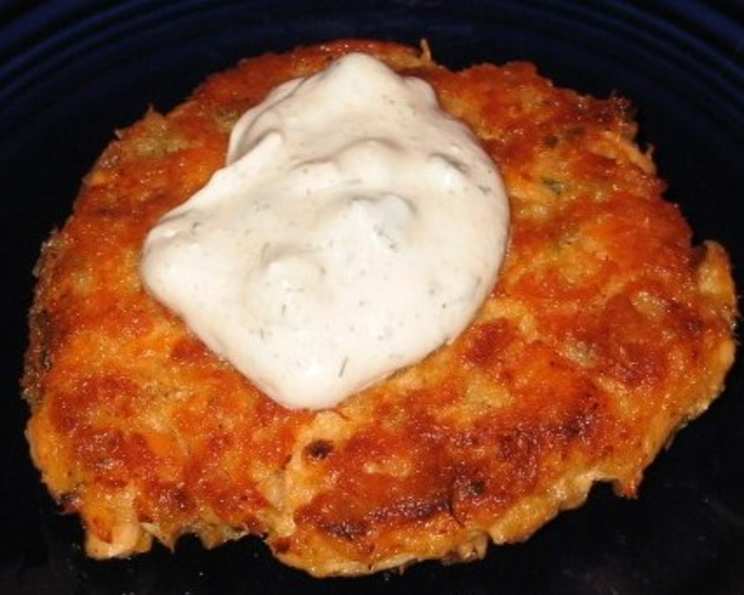
Kittencal’s Salmon Cakes: A Timeless Taste of Comfort
There’s something truly magical about dishes that evoke strong memories. For me, Kittencal’s Salmon Cakes aren’t just a recipe; they’re a portal back to lazy summer afternoons spent at my grandmother’s house. The air would be thick with the scent of her blooming roses and, faintly, the irresistible aroma of these golden-brown patties frying on the stove. She’d always make a generous batch, and we’d devour them hot, or even better, cold straight from the fridge the next day, nestled between slices of crusty bread. This recipe, passed down and cherished, captures that perfect balance of simple ingredients transformed into something utterly delicious.
Recipe Overview
- Prep Time: 2 hours (includes chilling)
- Cook Time: 6 minutes
- Total Time: 2 hours 6 minutes
- Servings: 6
- Yields: 12 patties
- Dietary Type: Seafood
Ingredients
To craft these delightful salmon cakes, you’ll need a thoughtful selection of pantry staples and fresh ingredients:
- 4 cans (7 ounces each) red salmon, well-drained. For the very best flavor, I recommend using all red salmon or a mix of half red and half pink. It’s crucial to drain them thoroughly. You can remove the soft bones if you prefer, but I find they add a lovely calcium boost and dissolve during cooking.
- 1 teaspoon garlic powder. If you’re a garlic enthusiast, feel free to bump this up to 1 ½ teaspoons.
- 2 tablespoons lemon juice. Freshly squeezed is always best for a brighter flavor.
- 2 teaspoons Worcestershire sauce. This is optional, but I find it adds a wonderful depth and umami to the patties.
- ½ teaspoon fresh ground black pepper, or to taste.
- 1 teaspoon seasoning salt, or to taste. You can substitute regular white salt if you don’t have seasoning salt.
- ½ cup crushed butter-flavored cracker crumbs, such as Ritz crackers. You might need a little more depending on the moisture content of your salmon.
- 3 eggs, lightly beaten.
- 3 green onions, finely chopped.
- All-purpose flour, for dredging.
- Oil, for frying. A neutral-flavored oil like canola, vegetable, or sunflower oil works wonderfully.
Equipment Needed
- Large bowl
- Fork
- Measuring cups and spoons
- Shallow bowl or plate (for flour)
- Large plate (for coated patties)
- Skillet
Instructions
The beauty of Kittencal’s Salmon Cakes lies in their straightforward preparation, with a crucial chilling step that makes all the difference.
-
Prepare the Salmon Base: Begin by thoroughly draining the 4 cans of red salmon. Place the drained salmon into a large bowl. Using a fork, flake the salmon into smaller pieces.
-
Combine the Wet Ingredients: Add all the remaining ingredients to the bowl with the flaked salmon, except for the all-purpose flour and oil. This includes the garlic powder, lemon juice, Worcestershire sauce (if using), black pepper, seasoning salt, crushed butter-flavored cracker crumbs, lightly beaten eggs, and finely chopped green onions.
-
Mix and Adjust Consistency: Mix everything together gently until just combined. The goal is to incorporate all the ingredients without overmixing. If the mixture feels very moist and doesn’t seem to hold together well, add in more crushed cracker crumbs, using only enough to help the mixture bind. You want it moist but shapeable.
-
Chill for Optimal Texture: This is a critical step for success. Cover the bowl tightly with plastic wrap and refrigerate for at least 2 hours. This chilling period allows the flavors to meld and the mixture to firm up, making it much easier to shape and fry without falling apart.
-
Shape the Patties: Once the mixture has chilled sufficiently, shape it into your desired size patties. The recipe yields about 12 patties, but this is a guideline. Feel free to make them smaller for appetizers or larger for a main course.
-
Prepare for Frying: Place about ½ cup of all-purpose flour into a shallow bowl or onto a plate. This will be your dredging station.
-
Coat the Patties: Carefully coat each shaped patty in the flour, ensuring an even layer on all sides. As you coat each patty, place the floured patties onto a large plate. It’s helpful to have all your patties coated before you begin frying to streamline the process.
-
Heat the Oil: Heat a sufficient amount of oil in a skillet over medium-high heat. You want enough oil to generously coat the bottom of the skillet, about ¼ to ½ inch deep, to ensure proper frying and golden-brown crust.
-
Fry to Perfection: Once the oil is shimmering and hot, carefully place the floured patties into the skillet, being careful not to overcrowd the pan. You may need to fry them in batches. Fry for approximately 3 minutes on each side, or until they are golden brown and heated through.
-
Serve and Enjoy: Once fried to a beautiful golden hue, remove the salmon cakes from the skillet and drain them on a plate lined with paper towels to absorb any excess oil.
These salmon cakes are absolutely delicious, whether served hot from the pan or, as my family prefers, enjoyed cold.
Expert Tips & Tricks
- Drainage is Key: Don’t underestimate the importance of draining the canned salmon thoroughly. Excess moisture is the enemy of perfectly formed patties. You can even gently press out some of the liquid with paper towels before adding it to the bowl.
- Cracker Choice: While butter-flavored crackers like Ritz are traditional and lend a lovely flavor, you can also use other types of crackers, such as saltines or even panko breadcrumbs for a slightly different texture. Adjust the amount as needed, as different crackers absorb liquid differently.
- Gentle Handling: When mixing, shaping, and coating, be gentle. Overworking the mixture can make the patties tough.
- Batch Frying: Avoid overcrowding the skillet. Frying in batches ensures the oil temperature remains consistent, resulting in evenly cooked and crisply browned patties. Overcrowding will lower the oil temperature, leading to greasy rather than crispy cakes.
- Pre-Shaping for Freezing: If you plan to freeze these for later, shape them into patties and freeze them on a baking sheet until solid. Then, transfer them to a freezer-safe bag or container. You can fry them directly from frozen, adding a few extra minutes to the cooking time.
Serving & Storage Suggestions
Kittencal’s Salmon Cakes are incredibly versatile. They are, of course, wonderful served hot as a main course, perhaps alongside a simple green salad, some steamed asparagus, or creamy mashed potatoes. A dollop of tartar sauce or a squeeze of fresh lemon is always a welcome accompaniment.
For a more casual meal or appetizer, they are equally delightful served at room temperature or cold. They make a fantastic sandwich filling, layered between slices of hearty bread with lettuce and tomato, or served as part of a brunch spread.
Storage: Leftover cooked salmon cakes can be stored in an airtight container in the refrigerator for up to 3-4 days. To reheat, you can gently warm them in a skillet over medium-low heat, in a toaster oven, or even in a microwave, though they may lose some of their crispness. If you prefer them cold, they are ready to eat straight from the refrigerator.
Nutritional Information
Here’s an estimated nutritional breakdown for one salmon cake:
| Nutrient | Amount per Serving | % Daily Value |
|---|---|---|
| Calories | 146 kcal | 7% |
| Total Fat | 7.6 g | 10% |
| Saturated Fat | 1.5 g | 8% |
| Cholesterol | 94 mg | 31% |
| Sodium | 81 mg | 4% |
| Total Carbohydrate | 2.6 g | 1% |
| Dietary Fiber | 0.2 g | 1% |
| Sugars | 0.4 g | 1% |
| Protein | 16 g | 32% |
Note: Nutritional values are approximate and can vary based on specific ingredients used and portion sizes.
Variations & Substitutions
- Gluten-Free: For a gluten-free version, simply swap the all-purpose flour for a gluten-free flour blend for dredging. You can also use gluten-free breadcrumbs or crushed gluten-free crackers.
- Herbs and Spices: Feel free to experiment with adding fresh herbs like dill or parsley to the mixture. A pinch of cayenne pepper can add a touch of heat, and a sprinkle of paprika can enhance the color and flavor.
- Binder Boost: If you find your mixture is particularly crumbly, you can add a touch more egg or a tablespoon of mayonnaise to help bind it.
- Baked Version: While frying is classic, you can bake these salmon cakes. Place them on a lightly oiled baking sheet and bake at 400°F (200°C) for about 15-20 minutes, flipping halfway through, until golden brown and cooked through. They won’t be as crispy as fried, but still delicious.
FAQs
Q: Can I use fresh cooked salmon instead of canned salmon?
A: Absolutely! If you have leftover cooked fresh salmon, simply flake it and proceed with the recipe. Ensure it’s well-drained.
Q: My salmon cake mixture is too sticky to shape. What should I do?
A: If the mixture is too moist to handle, add more crushed cracker crumbs, a tablespoon at a time, until it reaches a workable consistency that holds its shape.
Q: How can I make sure the salmon cakes cook evenly?
A: Ensure your oil is at the correct medium-high temperature before adding the patties. Don’t overcrowd the pan, and flip them carefully to ensure even browning on both sides.
Q: What’s the best way to serve these salmon cakes?
A: They are incredibly versatile. Serve them hot with a side of tartar sauce, or cold as part of a sandwich or salad.
Q: Can I make these ahead of time?
A: You can prepare the mixture and refrigerate it for up to 2 days before shaping and frying. Shaped patties can also be frozen before frying.
Final Thoughts
Kittencal’s Salmon Cakes are more than just a recipe; they’re a testament to the enduring appeal of simple, well-loved dishes. They embody comfort, versatility, and that undeniable taste of home. Whether you’re recreating a cherished memory or discovering this delightful treat for the first time, I encourage you to give these salmon cakes a try. They are perfect for a quick weeknight dinner, a delightful appetizer, or a satisfying lunch. I find they pair beautifully with a crisp white wine, like a Sauvignon Blanc, or a refreshing glass of iced tea. I’d love to hear about your experiences and any wonderful variations you discover! Happy cooking!