
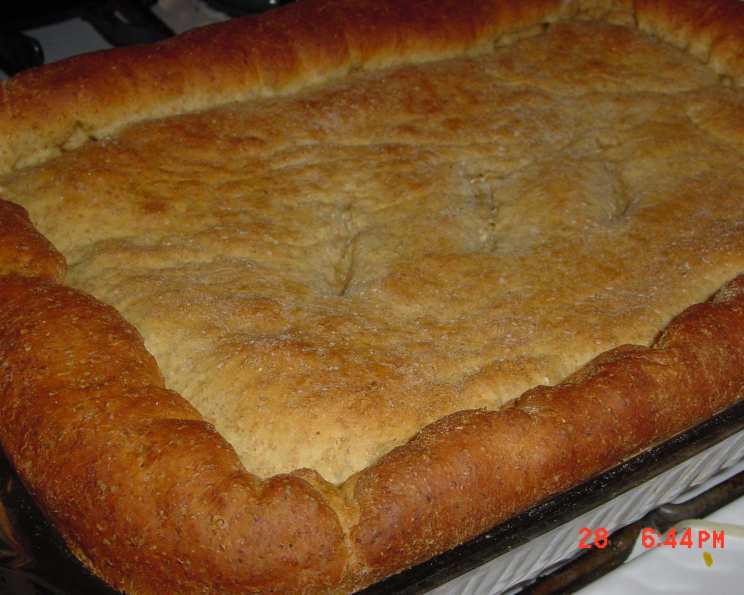
The Hearty Embrace of Whole Wheat Runza Dough
There’s a particular kind of comfort that comes from biting into a warm, savory runza, a culinary hug from the heartland. For me, that comfort is amplified when the dough itself carries the wholesome goodness of whole wheat. I remember my grandmother, her hands dusted with flour, patiently teaching me the rhythm of kneading, the magic of yeast awakening, and the simple joy of transforming humble ingredients into something truly special. Those whole wheat runzas, with their slightly nutty undertones and satisfying chew, were always my favorite, a testament to honest, good food made with love. This recipe is my tribute to those memories, an adaptation that lets me capture that same authentic flavor and texture right in my own kitchen, any time the craving strikes.
Recipe Overview
- Prep Time: Approximately 1 hour 45 minutes (includes rising time)
- Cook Time: 30 minutes
- Total Time: Approximately 2 hours 15 minutes
- Servings: 24
- Yield: 24 Runzas
- Dietary Type: Vegetarian-adaptable (filling dependent)
Ingredients
This recipe for whole wheat runza dough is the foundation for countless delicious fillings. While the dough itself is designed for maximum flavor and texture, feel free to let your culinary imagination run wild with the fillings!
- 4 1⁄3 cups whole wheat flour, plus more for dusting
- 1 (1⁄4 ounce) package active dry yeast
- 1 cup milk
- 1⁄3 cup sugar
- 1⁄3 cup butter
- 1 teaspoon salt
- 2 eggs
Equipment Needed
- Large mixing bowl (preferably for a stand mixer)
- Stand mixer with dough hook attachment (optional, but highly recommended)
- Medium saucepan
- Measuring cups and spoons
- Plastic wrap or clean kitchen towel
- Rolling pin
- Baking sheets
- Parchment paper (optional, for easier cleanup)
- Pastry brush (for egg wash, optional)
Instructions
Crafting this whole wheat runza dough is a rewarding process, blending simple ingredients into a wonderfully versatile base. Follow these steps to achieve a perfectly tender and flavorful dough.
- In the bowl of your stand mixer, fitted with the dough hook, combine 2 cups of the whole wheat flour and the active dry yeast. Mix them together briefly to distribute the yeast evenly.
- In a medium saucepan, gently heat the milk, sugar, butter, and salt over low heat. Stir occasionally until the butter is melted and the mixture reaches a temperature between 115 and 120 degrees Fahrenheit. It should feel warm to the touch, not hot. This precise temperature is crucial for activating the yeast without killing it.
- Carefully pour the warm milk mixture into the flour and yeast mixture in the mixer bowl. Mix on low speed until just combined.
- Add the 2 eggs to the bowl. Increase the mixer speed to medium and mix for a full 5 minutes. This extended mixing time is important for developing the gluten structure in the dough, which will result in a better texture.
- Gradually add the remaining whole wheat flour, about 1⁄2 cup at a time, mixing well after each addition. Continue adding flour until a cohesive ball of dough begins to form and pull away from the sides of the bowl. You might not need all of the flour, or you may need a tiny bit more, depending on the humidity and the specific brand of flour.
- Once a ball has formed, continue to knead the dough in the mixer for an additional 8 minutes on medium speed. The dough should become smooth and elastic. If you are kneading by hand, turn the dough out onto a lightly floured surface and knead for about 10-12 minutes until it achieves the same smooth, elastic consistency.
- Lightly grease a clean, large bowl with a bit of oil or cooking spray. Place the dough ball into the greased bowl, turning it once to coat the surface.
- Cover the bowl tightly with plastic wrap or a clean kitchen towel. Place the bowl in a warm spot to rise. A slightly warm oven (turned off, but preheated briefly and then cooled slightly) or a sunny windowsill are excellent choices.
- Allow the dough to rise until it has doubled in size, which typically takes about 1 hour.
- Once doubled, punch down the dough gently to release the air.
- Re-cover the bowl and allow the dough to rise again for just 10 minutes. This second, shorter rise helps to relax the gluten, making the dough easier to handle.
- Turn the dough out onto a lightly floured surface and divide it into manageable sections. For 24 runzas, you’ll want to divide the dough into 24 equal portions.
- Roll each portion of dough to approximately 1⁄4 inch thickness.
- Cut the rolled dough into 4 inch by 4 inch squares.
- Fill each square with your desired fillings. Be generous, but not so much that it’s impossible to seal.
- Bring the opposite ends of each dough square together, pinching them firmly to seal. Then, pinch together the side seams to ensure that the filling doesn’t leak out during baking.
- Place the formed runzas onto prepared baking sheets (lined with parchment paper is recommended for easy cleanup).
- Allow the formed runzas to rest and rise for an additional 30 minutes. This final rise will give them a lighter, airier texture.
- Preheat your oven to 375 degrees Fahrenheit.
- Bake the runzas in the preheated oven for about 30 minutes, or until they are golden brown and cooked through.
Expert Tips & Tricks
- Yeast Activation: Ensure your milk mixture is precisely between 115-120°F. Too cool, and the yeast won’t activate properly; too hot, and you’ll kill it. A kitchen thermometer is your best friend here.
- Flour Measurement: For the most accurate results, spoon your whole wheat flour into your measuring cup and level it off with a straight edge rather than scooping directly from the bag. This prevents over-measuring, which can lead to a dense dough.
- Kneading Power: While a stand mixer makes kneading significantly easier and more consistent, don’t shy away from hand-kneading. It’s a fantastic way to connect with the dough and develop a wonderful texture. You’ll know it’s ready when it springs back slowly when poked.
- Warm Rising Spot: If your kitchen is cool, create a warm spot for rising by placing the dough in a slightly warm (but turned off) oven with the light on.
- Sealing Success: When sealing the runzas, make sure to press firmly to ensure a good seal. This prevents any delicious filling from escaping during the baking process. A little extra flour on your fingertips can help prevent sticking.
- Egg Wash for Shine: For a beautiful golden sheen and a slightly crisper crust, you can brush the tops of the risen runzas with a lightly beaten egg (or just the yolk mixed with a tablespoon of water) before baking.
Serving & Storage Suggestions
Serve your warm, freshly baked whole wheat runzas immediately for the ultimate experience. They are perfect on their own or alongside a crisp salad. For a truly authentic experience, consider pairing them with your favorite mustard or a dollop of sour cream.
Leftover runzas freeze beautifully. Once they have completely cooled, individually wrap each runza tightly in plastic wrap, then place them in a freezer-safe bag or container. They will keep well in the freezer for up to 3 months. To reheat, you can microwave them directly from frozen or after they have been thawed. They can also be reheated in a 350°F oven for about 10-15 minutes until warmed through.
Nutritional Information
Disclaimer: Nutritional information is an estimate and will vary based on the specific fillings used.
| Nutrient | Amount per Serving | % Daily Value |
|---|---|---|
| Calories | 120.4 kcal | |
| Calories from Fat | ||
| Total Fat | 3.9 g | 5% |
| Saturated Fat | 2.1 g | 10% |
| Cholesterol | 23.7 mg | 7% |
| Sodium | 130.9 mg | 5% |
| Total Carbohydrate | 19 g | 6% |
| Dietary Fiber | 2.4 g | 9% |
| Sugars | 2.9 g | 11% |
| Protein | 3.9 g | 7% |
Variations & Substitutions
- Flour Blend: If you prefer a slightly lighter dough with some of the whole wheat goodness, feel free to substitute half of the whole wheat flour with all-purpose white flour. You can also use white bread flour for a chewier result.
- Milk Options: While dairy milk provides a rich flavor and texture, you can experiment with plant-based milk alternatives like almond milk or soy milk for a dairy-free option.
- Sweetener: For a touch of variety, you could reduce the sugar slightly and add a tablespoon of honey or maple syrup to the milk mixture.
- Filling Adventures: The beauty of this dough lies in its versatility. Beyond the traditional beef and cabbage, consider fillings like pizza (pepperoni and mozzarella), Philly cheesesteak, ham and Swiss cheese, or even a hearty vegetarian mix of sautéed mushrooms, spinach, and feta cheese. For breakfast lovers, scrambled eggs with cheese and bacon make a delightful brunch runza.
FAQs (Frequently Asked Questions)
Q: Can I make this whole wheat runza dough without a stand mixer?
A: Absolutely! While a stand mixer with a dough hook is convenient, you can achieve excellent results by kneading the dough by hand on a lightly floured surface for about 10-12 minutes until it’s smooth and elastic.
Q: Why is my dough not rising?
A: The most common reasons for a lack of rise are inactive yeast, water that’s too hot or too cold, or a dough that hasn’t been kneaded enough. Double-check your yeast’s expiration date and ensure the liquid temperature is within the specified range.
Q: How can I make my runzas healthier?
A: Using whole wheat flour is already a great step! You can also lean towards leaner protein fillings (like turkey or chicken), incorporate more vegetables into your fillings, and reduce the amount of cheese used.
Q: My runza seams are opening up during baking. What did I do wrong?
A: Insufficient pinching of the seams is usually the culprit. Ensure you’re pressing the dough together firmly and creating a good seal to prevent the filling from escaping.
Q: Can I make this dough ahead of time?
A: Yes, you can prepare the dough and let it complete its first rise, then punch it down, cover it tightly, and refrigerate it for up to 24 hours. Let it come to room temperature for about 30 minutes before shaping and baking.
A Taste of Tradition, Made Whole
This whole wheat runza dough is more than just a recipe; it’s an invitation to connect with your food and savor the simple pleasures of homemade goodness. Whether you’re recreating cherished family memories or forging new culinary traditions, the comforting embrace of this hearty dough is sure to be a welcome addition to your table. So gather your ingredients, embrace the process, and enjoy the delicious fruits of your labor. May each bite bring you as much joy and satisfaction as it does me.