
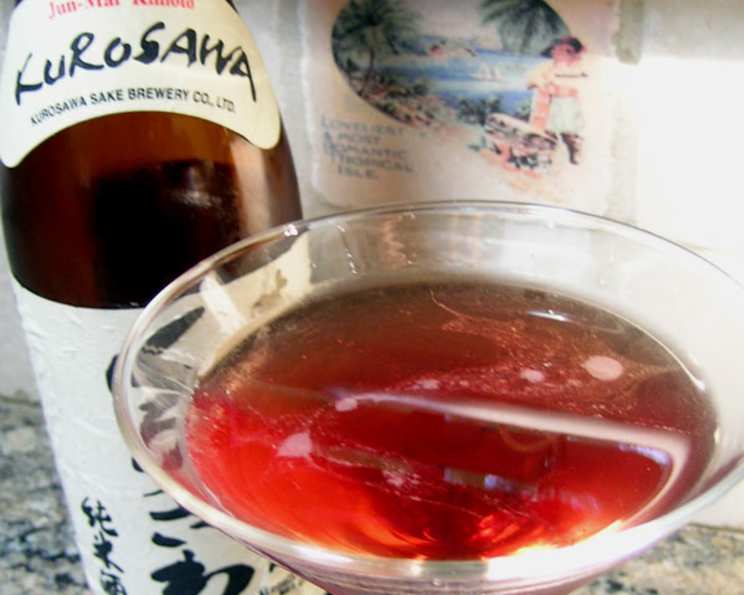
Yet Another Pomegranate Martini: A Jewel-Toned Elixir
The first time I ever crafted this particular pomegranate martini, it was a spur-of-the-moment creation on a crisp autumn evening. The ruby-red jewels of pomegranate seeds I’d been using for a festive cheese board seemed to call out from their bowl, hinting at their potent, tart-sweet potential. I’d tinkered with countless vodka-based concoctions over the years, seeking that perfect balance of spirit, fruit, and a touch of intrigue, and in that quiet kitchen, surrounded by the scent of woodsmoke from the fireplace, this one clicked. It wasn’t just a drink; it was an experience – a vibrant burst of flavor that felt both sophisticated and refreshingly simple.
Recipe Overview
- Prep Time: 5 minutes
- Cook Time: 0 minutes
- Total Time: 5 minutes
- Servings: 1
- Yield: 1 cocktail
- Dietary Type: N/A (Alcoholic)
Ingredients
- 3 ounces fresh pomegranate juice
- 1 ½ ounces vodka
- 1 ½ ounces sake
Equipment Needed
- Cocktail shaker
- Jigger (for measuring spirits)
- Martini glass (chilled)
- Strainer (if your shaker doesn’t have one built-in)
Instructions
-
Begin by gathering your ingredients and ensuring your martini glass is thoroughly chilled. This is a crucial step for any well-made martini, as it helps keep the drink cold without excessive dilution from ice. You can chill your glasses in the freezer for at least 15 minutes or fill them with ice water while you prepare the cocktail, then discard the ice water just before straining.
-
Next, locate your cocktail shaker. If you don’t have one, a sturdy mason jar with a tight-fitting lid can serve as a makeshift shaker.
-
Carefully measure the 3 ounces of fresh pomegranate juice using a jigger or measuring cup and pour it into the cocktail shaker. Using fresh juice is paramount; the bottled varieties can often be overly sweet or have a slightly artificial flavor that detracts from the delicate balance of this martini.
-
Following that, measure 1 ½ ounces of vodka. The quality of your vodka will subtly influence the final taste, so opt for a smooth, clean-tasting brand. Add this to the shaker with the pomegranate juice.
-
Finally, measure 1 ½ ounces of sake. The addition of sake lends a unique, subtle complexity and a smoother mouthfeel than many other spirit bases. Pour it into the shaker.
-
Now, add ice to the cocktail shaker. Fill it generously, ensuring there’s enough ice to thoroughly chill the liquid without overcrowding, which can lead to over-dilution.
-
Secure the lid of the cocktail shaker tightly. Shake vigorously for about 15-20 seconds. You want to hear the ice rattling and feel the shaker become ice-cold in your hands. This ensures the drink is well-chilled and slightly aerated.
-
Once thoroughly shaken, carefully strain the contents of the shaker into your prepared, chilled martini glass. If your shaker has a built-in strainer, use that. Otherwise, hold a cocktail strainer over the glass as you pour.
-
Your Yet Another Pomegranate Martini is now ready to be enjoyed. Serve immediately for the best taste and texture.
Expert Tips & Tricks
The beauty of this cocktail lies in its elegant simplicity, but a few chef-level touches can elevate it further. For instance, while the recipe calls for 3 ounces of pomegranate juice, if you find yourself with particularly tart fresh pomegranate juice, you might consider a tiny splash (no more than a quarter ounce) of simple syrup – a 1:1 ratio of sugar to water, heated until dissolved and then cooled. However, I strongly encourage you to taste the juice first, as the sweetness of pomegranates can vary significantly.
When it comes to the vodka and sake, experimentation is your friend. If you prefer a drier martini, you can slightly reduce the sake. Conversely, if you want a bit more body, a dash more vodka can be introduced, but always with caution. The goal is balance, not overpowering any single element.
For an extra touch of visual appeal, consider garnishing. While not explicitly in the core recipe, a few fresh pomegranate seeds dropped into the glass before straining can add a beautiful, jewel-like quality and a delightful little burst of flavor with each sip. Alternatively, a thin twist of orange peel can provide a lovely aromatic counterpoint to the pomegranate and vodka. Ensure the peel is expressed over the drink to release its essential oils before dropping it in.
Serving & Storage Suggestions
This martini is best served immediately after preparation, while it is perfectly chilled. It’s an ideal aperitif, meant to be savored before a meal or enjoyed as a sophisticated accompaniment to light appetizers such as goat cheese crostini, shrimp cocktail, or a delicate salad.
As this is a freshly mixed cocktail, it is not intended for storage. The delicate balance of flavors and textures will degrade over time, and the ice will continue to dilute the drink even after straining. If you find yourself with extra ingredients and are making multiple martinis, it’s best to prepare them one at a time to ensure optimal quality.
Nutritional Information
While precise nutritional information for cocktails can vary based on specific brands of spirits and the exact sweetness of the fruit juice used, here’s an estimated breakdown based on typical values:
| Nutrient | Amount per Serving | % Daily Value |
|---|---|---|
| Calories | 161 kcal | 8% |
| Total Fat | 0 g | 0% |
| Saturated Fat | 0 g | 0% |
| Cholesterol | 0 mg | 0% |
| Sodium | 1.3 mg | 0% |
| Total Carbohydrate | 2.1 g | 1% |
| Dietary Fiber | 0 g | 0% |
| Sugars | 0 g | 0% |
| Protein | 0.2 g | 0% |
| Alcohol | Approx. 16-18g | N/A |
Note: Percentage Daily Values are based on a 2,000-calorie diet and will vary depending on your individual needs.
Variations & Substitutions
While this recipe stands beautifully on its own, there’s always room for a personal touch. For a slightly more complex flavor profile, consider infusing your vodka with herbs like rosemary or thyme for a few days before making the martini. The subtle herbal notes can add an unexpected depth.
If sake is not readily available or if you prefer a different base spirit, a good quality dry gin can be substituted for the sake, offering a more botanically driven flavor. However, be mindful that gin’s complexity will alter the martini’s character significantly.
For a non-alcoholic version, omit the vodka and sake entirely. You can then increase the pomegranate juice to 4 ½ ounces and top with a splash of sparkling water or club soda for effervescence. A dash of lime juice can also brighten the flavors in the non-alcoholic rendition.
FAQs (Frequently Asked Questions)
Q: Why is chilled glassware so important for this martini?
A: Chilling the martini glass prevents the cocktail from warming up too quickly, ensuring a refreshing and crisp taste without excessive ice dilution.
Q: Can I use store-bought pomegranate juice?
A: While you can, fresh pomegranate juice will yield the best flavor. Store-bought versions can vary in sweetness and may contain added sugars or preservatives that alter the martini’s delicate balance.
Q: What kind of vodka should I use?
A: A smooth, neutral-tasting vodka is recommended. Premium brands that are triple-distilled or charcoal-filtered often provide the cleanest flavor profile, allowing the pomegranate and sake to shine.
Q: How can I make this martini sweeter?
A: If your pomegranate juice is particularly tart, you can add a small amount of simple syrup (equal parts sugar and water, heated until dissolved and cooled). Start with ¼ ounce and add more to taste.
Q: Is sake really necessary in this martini?
A: The sake plays a crucial role in adding a subtle umami note and a smoother, more refined texture to the martini, differentiating it from a standard vodka martini. While a substitution is possible, the sake is integral to this specific recipe’s profile.
Final Thoughts
This Yet Another Pomegranate Martini is a testament to how simple, quality ingredients can converge to create something truly special. It’s a drink that’s as visually striking as it is delicious, a ruby jewel in any glassware. I encourage you to gather your ingredients, embrace the straightforward process, and discover the satisfying complexity of this delightful cocktail. It’s a perfect companion for quiet contemplation or lively conversation, proving that sometimes, the most enchanting concoctions are the ones that celebrate the pure essence of their components. Cheers!