
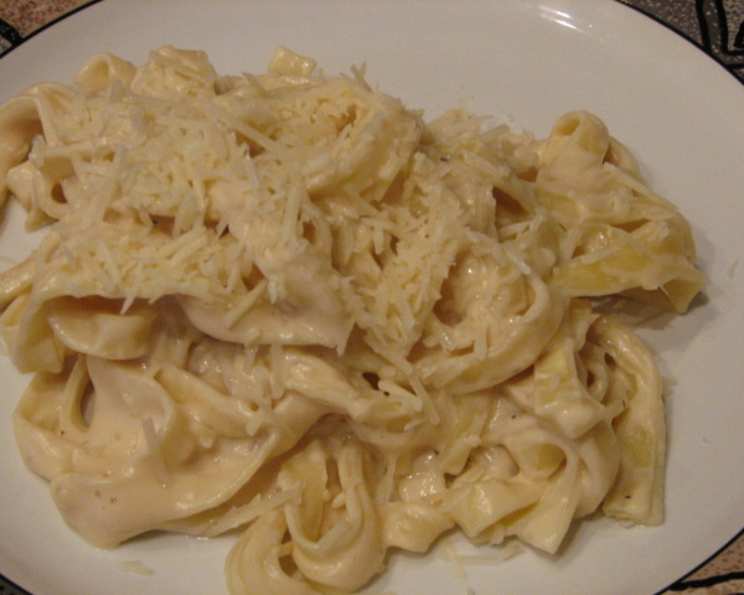
The Unapologetic Indulgence: Mastering Authentic Fettuccine Alfredo Sauce
I still remember the first time I encountered true Fettuccine Alfredo. It wasn’t the watered-down, overly garlicky version often found on menus. It was a revelation – a velvety, impossibly rich emulsion that clung to every strand of pasta like a warm embrace. I was in Rome, a wide-eyed novice in a bustling trattoria, and the simple elegance of that dish, born from just a few humble ingredients, changed my understanding of what Italian comfort food could be. It was a dish that demanded your full attention, a testament to the power of quality ingredients handled with respect.
Recipe Overview
- Prep Time: 15 minutes
- Cook Time: 15 minutes
- Total Time: 30 minutes
- Servings: 4
- Yield: Approximately 3 cups of sauce
- Dietary Type: Vegetarian (can be adapted)
Ingredients
The magic of Fettuccine Alfredo lies in its simplicity, making the quality of each component paramount.
- 5 tablespoons unsalted butter
- 3/4 cup freshly grated Parmesan cheese, plus extra for serving
- 2 cups heavy cream
- 2 cups chicken broth (or 2 cups vegetable broth for a vegetarian option)
- 3 tablespoons minced garlic
- 1/2 cup diced yellow onion
- 1 tablespoon cornstarch, mixed with a small amount of water to form a slurry
- 1 tablespoon fresh minced parsley, for garnish
- Salt and freshly ground black pepper, to taste
Equipment Needed
- A large sauté pan or skillet
- A whisk
- A wooden spoon or spatula
- Measuring cups and spoons
- A sharp knife and cutting board for the onion and garlic
- Serving bowls
Instructions
Crafting an authentic Fettuccine Alfredo sauce is a dance of patience and precise timing, where each step builds upon the last to create a symphony of flavors and textures.
- Begin by melting the 5 tablespoons of unsalted butter in a large sauté pan over medium heat. Allow the butter to melt completely, and just as it begins to shimmer, it’s time to build the aromatic foundation.
- Add the 3 tablespoons of minced garlic and the 1/2 cup of diced yellow onion to the melted butter. Sauté these aromatics gently, stirring occasionally, until they become fragrant and begin to turn a light golden brown. This process caramelizes the sugars in the onion and mellows the sharpness of the garlic, infusing the butter with their essence. Be mindful not to burn the garlic, as this can impart a bitter taste to the sauce.
- Pour in the 2 cups of chicken broth (or vegetable broth) and the 2 cups of heavy cream. Bring this mixture to a gentle simmer, stirring occasionally. Allow it to reduce for several minutes. This reduction concentrates the flavors and begins to thicken the liquid base of your sauce, creating a richer consistency.
- Now, it’s time to introduce the thickening agent. Slowly drizzle in the 1 tablespoon of cornstarch, mixed with a small amount of water to form a smooth slurry, into the simmering broth and cream mixture. Stir continuously with a whisk as you add it. Continue to stir until the sauce begins to thicken slightly.
- It is crucial to avoid over-thickening at this stage. Remember that the Parmesan cheese will also act as a natural thickener as it melts into the sauce. You want a consistency that coats the back of a spoon, but isn’t yet as viscous as you might desire for the final dish.
- Reduce the heat to low and gently stir in the 3/4 cup of freshly grated Parmesan cheese. Continue to stir until the cheese is completely melted and integrated into the sauce, creating a smooth, velvety texture.
- Next, season the sauce with salt and freshly ground black pepper to your preference. This is where you can truly personalize the flavor.
- Taste test the sauce meticulously. Adjust the seasoning as needed. This is your opportunity to add more salt for depth or more pepper for a touch of warmth. You might find it needs just a whisper more of either to truly sing.
- Once your sauce is perfectly seasoned and has reached your desired consistency, combine it with your freshly cooked fettuccine noodles. Toss gently to ensure every strand is beautifully coated in the luxurious Alfredo sauce.
- Serve the Fettuccine Alfredo immediately. For an optimal dining experience, present it in warmed bowls or on warmed plates. This simple step prevents the dish from becoming “goopy” as it cools, allowing the sauce to maintain its intended creamy texture. Garnish generously with the 1 tablespoon of fresh minced parsley and an additional sprinkle of freshly grated Parmesan cheese.
Expert Tips & Tricks
Achieving that perfect, silken Alfredo sauce is an art, but a few seasoned techniques can elevate your creation from good to extraordinary. Always use freshly grated Parmesan cheese. Pre-shredded versions often contain anti-caking agents that can prevent the cheese from melting smoothly, leading to a grainy sauce. When sautéing the onions and garlic, a medium-low heat is your friend. This allows them to soften and release their flavors without browning too quickly, preventing any hint of bitterness. For an even richer sauce, consider using a combination of heavy cream and a splash of half-and-half, or even a touch of mascarpone cheese for an added layer of decadent creaminess.
Serving & Storage Suggestions
Fettuccine Alfredo is a dish best enjoyed fresh. Its luxurious texture and delicate balance of flavors are at their peak immediately after preparation. When serving, the visual appeal is just as important as the taste. A sprinkle of vibrant green fresh parsley and a generous dusting of Parmesan cheese add a pop of color and an extra layer of savory goodness.
Leftovers, while not ideal, can be stored. Allow the pasta and sauce to cool completely before transferring them to an airtight container. Refrigerate for up to 2 days. Reheating should be done gently over low heat on the stovetop with a splash of extra cream or broth to loosen the sauce, as it will thicken considerably upon cooling. Avoid microwaving if possible, as it can sometimes alter the texture of the sauce.
Nutritional Information
Here’s an estimated nutritional breakdown for a serving of this rich Fettuccine Alfredo sauce, understanding that actual values can vary based on exact ingredient brands and portion sizes.
| Nutrient | Amount per Serving | % Daily Value |
|---|---|---|
| Calories | 663.5 kcal | – |
| Calories from Fat | 580 g | – |
| Total Fat | 64.5 g | 99% |
| Saturated Fat | 40 g | 199% |
| Cholesterol | 217.7 mg | 72% |
| Sodium | 818.1 mg | 34% |
| Total Carbohydrate | 10.5 g | 3% |
| Dietary Fiber | 0.5 g | 1% |
| Sugars | 1.6 g | 6% |
| Protein | 12.8 g | 25% |
Note: The “Calories from Fat” and its percentage are presented here as found in the original data. This might indicate a specific focus on fat content in the source.
Variations & Substitutions
While this recipe is a celebration of classic Alfredo, there’s always room for creative exploration. For a lighter rendition, you could substitute some of the heavy cream with whole milk or even a high-quality half-and-half, though this will impact the richness. To make this dish vegetarian, ensure you are using vegetable broth instead of chicken broth. For a more complex flavor profile, consider adding a pinch of nutmeg to the sauce, which complements the dairy beautifully. If you’re feeling adventurous, a touch of lemon zest can add a bright counterpoint to the richness, or a few sautéed mushrooms can bring an earthy depth.
FAQs
Q: Can I make Fettuccine Alfredo sauce ahead of time?
A: While it’s best served fresh, you can prepare the sauce base (up to step 6) and refrigerate it. Reheat gently on the stove, adding the pasta and final Parmesan cheese just before serving.
Q: My sauce is too thin. How can I thicken it further?
A: If your sauce is too thin after adding the Parmesan, you can create another small cornstarch slurry (1 teaspoon cornstarch with 1 tablespoon cold water) and whisk it into the simmering sauce until it reaches your desired consistency. Be cautious not to over-thicken.
Q: Why is my Parmesan cheese not melting smoothly into the sauce?
A: This is often due to using pre-shredded cheese. Always opt for freshly grated Parmesan cheese. Grating it yourself ensures it melts evenly and creates a truly silky sauce.
Q: Can I use different pasta shapes with Alfredo sauce?
A: Absolutely! While fettuccine is traditional, the rich Alfredo sauce is wonderful with other broad pasta shapes like tagliatelle, pappardelle, or even linguine.
Q: How can I add protein to this dish?
A: Grilled chicken breast, sautéed shrimp, or pan-seared scallops are classic and delicious additions that pair wonderfully with Fettuccine Alfredo.
Final Thoughts
There’s a profound satisfaction in mastering a dish that relies so heavily on technique and the inherent quality of its ingredients. Fettuccine Alfredo, in its purest form, is a testament to this philosophy. It’s a dish that speaks of simple elegance, of comfort, and of the joy that can be found in a perfectly executed meal. I encourage you to embrace the richness, to savor each creamy bite, and to share this indulgence with those you love. Perhaps pair it with a crisp, dry white wine like a Pinot Grigio or a Vermentino to cut through the richness, and let the conversation flow as freely as the sauce itself. Buon appetito!