
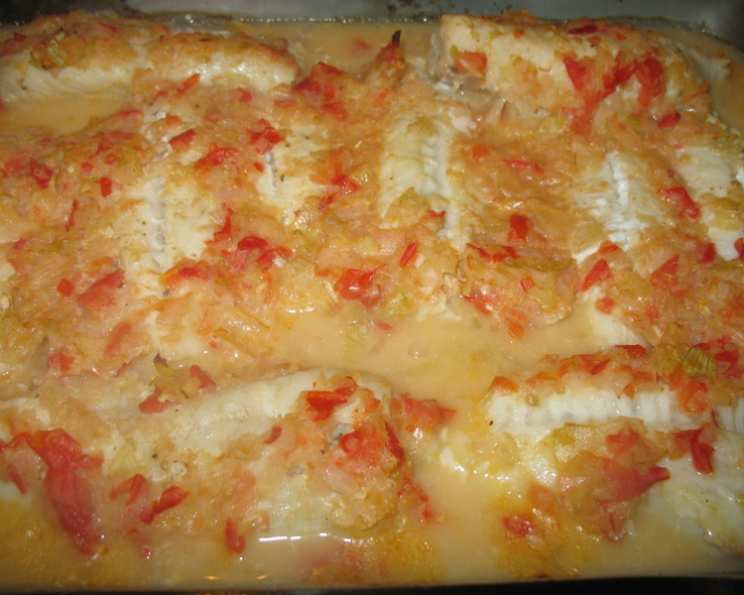
Samaki Wa Kupaka: A Taste of Coastal East Africa in Every Bite
My earliest culinary memories are a tapestry woven with the vibrant threads of coastal East African kitchens. The air would be thick with the intoxicating perfume of spices, the gentle lapping of the Indian Ocean a constant soundtrack, and at the heart of it all, the alluring aroma of fish simmered in creamy coconut. Samaki Wa Kupaka, or “fish in coconut sauce,” wasn’t just a meal; it was an event, a celebration of fresh ingredients and time-honored traditions. I remember watching my grandmother, her hands deftly moving between bowls, her eyes sparkling as she explained the magic of balancing ginger, garlic, and the subtle heat of chilies. It’s a dish that speaks of warmth, hospitality, and the incredible bounty of the sea, a simple yet profoundly satisfying expression of flavor that I’ve carried with me throughout my culinary journey.
Recipe Overview
- Prep Time: 15 minutes (plus 2 hours marinating time)
- Cook Time: 30 minutes
- Total Time: 45 minutes (plus marinating time)
- Servings: 6
- Yield: Serves 6
- Dietary Type: Dairy-Free, Gluten-Free
Ingredients
The beauty of Samaki Wa Kupaka lies in its straightforward yet potent combination of ingredients, allowing the natural sweetness of the fish and the richness of the coconut milk to shine.
- 2 pounds white fish fillets, cut into serving-sized portions (such as cod, snapper, or tilapia)
- 1 tablespoon ginger paste
- 1 tablespoon garlic paste
- Salt, to taste
- Black pepper, to taste
- 1 large lemon, juice of
- 2 green chilies, finely chopped (adjust to your spice preference)
- 1 onion, finely chopped
- 1 large tomato, skinned and finely chopped
- 1/2 cup coconut milk
- 2 teaspoons oil
- 2-3 stalks coriander, chopped, for garnish and for the sauce
Equipment Needed
For this delightful dish, you won’t need an overly specialized arsenal. Most of what’s required will likely be staples in any well-equipped kitchen.
- Mixing bowls
- Measuring spoons and cups
- Sharp knife and cutting board
- Baking dish (large enough to hold the fish in a single layer)
- Blender or food processor
- Small saucepan
- Whisk or spoon
Instructions
The process of creating Samaki Wa Kupaka is a gentle rhythm of marinating, a quick initial bake, and then a flavorful simmer in a luscious coconut sauce.
-
Marinate the Fish: In a medium-sized bowl, combine the ginger paste, garlic paste, a generous pinch of salt, and a good grind of black pepper. Squeeze in the juice of one large lemon. Add the chopped green chilies to this marinade. Gently toss the white fish fillets to ensure they are evenly coated. Cover the bowl and let the fish marinate in the refrigerator for at least 2 hours, or up to 4 hours, to allow the flavors to meld beautifully.
-
Preheat the Oven and Lightly Bake the Fish: Preheat your oven to 175°C (350°F). Lightly oil a baking dish with 1 teaspoon of the cooking oil. Arrange the marinated fish fillets in a single layer in the prepared baking dish. Place the dish in the preheated oven and bake the fish lightly for approximately 10 minutes. This initial bake helps to firm up the fish before it’s bathed in the sauce, preventing it from breaking apart too easily.
-
Prepare the Coconut Sauce: While the fish is in its initial bake, prepare the aromatic sauce. In a blender or food processor, combine the chopped onion, skinned and chopped tomato, and about half of the chopped coriander. Puree these ingredients until you have a smooth or slightly textured paste, depending on your preference.
-
Simmer the Sauce: In a small saucepan, heat the remaining 1 teaspoon of oil over medium heat. Add the pureed onion, tomato, and coriander mixture to the hot oil. Fry the pureed mixture for a few minutes, stirring occasionally, until it has softened and the raw aroma of the onions has dissipated.
-
Add Coconut Milk and Thicken: Pour the coconut milk into the saucepan with the fried puree. Stir gently and bring the sauce to a gentle simmer. Continue to cook, stirring occasionally, until the sauce thickens to your desired consistency. This usually takes about 5-7 minutes. Taste and adjust seasoning with additional salt and pepper if needed.
-
Combine and Finish Baking: Carefully remove the partially baked fish from the oven. Pour the thickened coconut sauce evenly over the fish fillets in the baking dish. Return the dish to the oven and bake for a further 10-15 minutes, or until the fish is cooked through and flakes easily with a fork. The exact time will depend on the thickness of your fish fillets.
-
Garnish and Serve: Once the fish is done, remove the baking dish from the oven. Garnish generously with the remaining chopped coriander. Serve the Samaki Wa Kupaka immediately.
Expert Tips & Tricks
As with any dish, a few culinary nudges can elevate Samaki Wa Kupaka from simply delicious to truly memorable.
- Fish Choice is Key: While white fish is traditional, opt for fillets that are firm and hold their shape well, such as snapper, sea bass, or even firm halibut. Avoid overly delicate fish that might disintegrate during the cooking process.
- Don’t Skimp on Marinating: The 2-hour marination time is crucial for infusing the fish with the bright, zesty flavors of lemon, ginger, and garlic. If you have the luxury of time, marinating for longer (up to 4 hours) will only enhance the depth of flavor.
- Control Your Spice: The green chilies are a traditional component for a touch of heat. If you’re sensitive to spice, you can remove the seeds and membranes before chopping, or use a milder chili. For a spicier dish, leave them in whole, or even add a pinch of red pepper flakes to the sauce.
- Achieving the Perfect Sauce Consistency: The sauce should be creamy and coating, not watery. If your sauce seems too thin after adding the coconut milk, let it simmer for a few minutes longer, uncovered, to allow some of the moisture to evaporate.
Serving & Storage Suggestions
Samaki Wa Kupaka is a star on its own, but it truly shines when paired with complementary accompaniments that soak up its glorious sauce.
Serving Suggestions: This dish is traditionally served with plain rice or, for an extra layer of flavor, coconut rice. The fluffy grains are the perfect vehicle for scooping up every last drop of the rich, aromatic sauce. A side of steamed greens like spinach or kale, or a fresh cucumber and tomato salad, would provide a refreshing contrast.
Storage: Leftovers can be stored in an airtight container in the refrigerator for up to 2 days. While the flavors meld beautifully over time, the texture of the fish may soften slightly.
Reheating: To reheat, gently warm the fish and sauce in a saucepan over low heat, or microwave it in short intervals, stirring occasionally, until heated through. Be careful not to overcook the fish, as it can become dry.
Nutritional Information
This nutritional breakdown is an approximation and can vary based on the specific type and cut of fish used, as well as portion sizes.
| Nutrient | Amount per Serving | % Daily Value |
|---|---|---|
| Calories | 219.3 kcal | – |
| Calories from Fat | 71 kcal | – |
| Total Fat | 8 g | 12% |
| Saturated Fat | 4.5 g | 22% |
| Cholesterol | 101.6 mg | 33% |
| Sodium | 124.5 mg | 5% |
| Total Carbohydrate | 7.5 g | 2% |
| Dietary Fiber | 1.4 g | 5% |
| Sugars | 3.8 g | 15% |
| Protein | 29.2 g | 58% |
Variations & Substitutions
While the classic Samaki Wa Kupaka is hard to beat, a few thoughtful variations can add new dimensions to this beloved dish.
- Vegetable Additions: For a more robust meal, consider adding some tender vegetables to the sauce during the last 5-10 minutes of simmering. Thinly sliced bell peppers, green beans, or even some spinach wilted into the sauce would be delicious.
- Creamier Sauce: If you desire an even richer, creamier sauce, you can substitute some of the coconut milk with a splash of heavy cream or a swirl of coconut cream just before serving.
- Different Proteins: While fish is traditional, this coconut sauce would also be delightful with cooked shrimp or firm tofu. Adjust cooking times accordingly.
- Spice Level: For those who enjoy a deeper warmth, a pinch of ground turmeric or a small piece of fresh ginger pulsed with the onion and tomato can add further complexity.
FAQs
Q: What kind of fish is best for Samaki Wa Kupaka?
A: Firm white fish fillets like cod, snapper, sea bass, or tilapia work wonderfully as they hold their shape well during cooking.
Q: Can I make the sauce ahead of time?
A: Yes, the coconut sauce can be made ahead and stored in the refrigerator. Gently reheat it before pouring over the fish for the final bake.
Q: How can I make this dish spicier?
A: Increase the number of green chilies, or add a pinch of red pepper flakes to the sauce for an extra kick.
Q: Is Samaki Wa Kupaka dairy-free?
A: Yes, the traditional recipe uses coconut milk, making it naturally dairy-free.
Q: How long should I marinate the fish?
A: Marinate the fish for at least 2 hours for optimal flavor infusion, but up to 4 hours is also acceptable.
Final Thoughts
Samaki Wa Kupaka is more than just a recipe; it’s an invitation to experience the warmth and soul of East African cuisine. It’s a dish that proves that the most profound flavors often come from the simplest of preparations, a testament to the power of fresh ingredients and thoughtful technique. I encourage you to embark on this culinary adventure, to savor the fragrant aroma as it fills your kitchen, and to share this taste of coastal sunshine with those you love. And when you do, perhaps with a side of fragrant coconut rice, close your eyes and let the flavors transport you. I’d be delighted to hear about your experiences with this beautiful dish.