
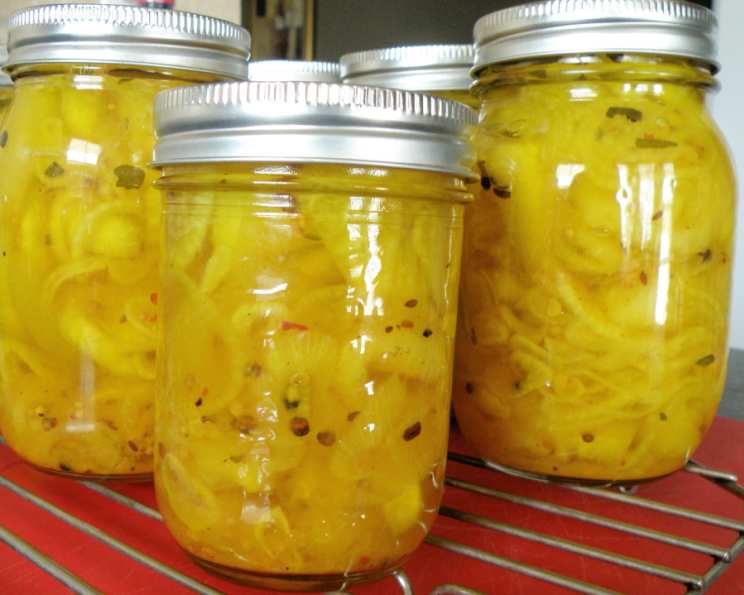
Watermelon Rind Bread and Butter Pickles: A Culinary Secret Rediscovered
The scent of pickling brine, a potent mix of vinegar, sugar, and spices, always transports me back to my grandmother’s kitchen. It’s a fragrance that whispers of summer’s bounty and the ingenuity of preserving those fleeting flavors. But it wasn’t just cucumbers that graced her canning shelves. Among the familiar jars of dill pickles and sweet gherkins, there were always a few jars of something unexpected, something that looked like a jewel-toned preserve. These were her watermelon rind pickles, a dish that, for years, I only knew by sight, a curious culinary enigma I was too shy to ask about. Then, one sweltering August afternoon, the mystery unraveled. She pulled out a jar, the rind glistening like candied fruit, and offered me a piece. The texture was remarkably firm, the sweet and tangy brine a delightful counterpoint to the subtle, almost creamy sweetness of the rind. It was a revelation, a taste of resourcefulness and a forgotten culinary tradition that has since become a treasured staple in my own kitchen.
Recipe Overview
- Prep Time: 2 hours 10 minutes
- Cook Time: 30 minutes
- Total Time: 2 hours 40 minutes (includes standing time)
- Servings: Varies based on jar size
- Yield: 8-10 pints
- Dietary Type: Vegan, Vegetarian
Ingredients
- 8 cups cubed watermelon rind (white part only, seeds and pink flesh removed)
- 2 lbs onions, thinly sliced
- 1/2 cup pickling salt
- 2 cups sugar
- 2 tablespoons mustard seeds (brown or yellow)
- 2 teaspoons turmeric
- 2 teaspoons celery seeds
- 1 teaspoon ground ginger
- 1 teaspoon peppercorn
- 3-4 cups white vinegar
Equipment Needed
- Large bowl
- Sharp knife
- Measuring cups and spoons
- Large saucepan or pot
- Sterile canning jars with lids and bands
- Water bath canner (or large pot with rack)
- Jar lifter
- Funnel (optional, but helpful)
Instructions
This recipe, while requiring a bit of foresight due to the standing time, is remarkably straightforward. The key is to prepare the watermelon rind correctly and to maintain proper canning procedures for safe preservation.
- Prepare the Melon: Begin by preparing the watermelon rind. Use a spoon to meticulously scrape away all the pink flesh from the rind. You want to be left with only the firm, white part of the rind. Next, use a sharp knife to cut away the rind from the watermelon. A handy tip here is to first cut the watermelon into 3-inch squares, which makes it easier to manage and to remove the rind efficiently.
- Cut the Rind: Once the rind is separated, cut the rind into strips, cubes, or chunks. Aim for a consistent size, about 1-inch cubes, for even cooking and a pleasing texture.
- Salt and Brine: In a large bowl, layer the prepared watermelon rind and the thinly sliced onions. Sprinkle the pickling salt evenly over the layers. Once layered, cover the melon and onion mixture with ice cubes.
- Standing Time: Allow the mixture to stand for 1.5 hours. This crucial step draws out excess moisture and begins the tenderizing process, contributing to the pickles’ firm texture.
- Drain and Rinse: After 1.5 hours, drain the liquid from the bowl. Thoroughly rinse the watermelon rind and onions under cold running water to remove the salt. Drain them very well.
- Prepare the Pickle Brine: In a large saucepan or pot, combine the sugar, mustard seeds, turmeric, celery seeds, ground ginger, and peppercorn. Add 3 cups of white vinegar to the pot.
- Boil the Brine: Place the saucepan over medium-high heat and bring the brine to a boil, stirring occasionally to dissolve the sugar.
- Cook the Pickles: Once the brine is boiling, add the drained and rinsed watermelon rind and onions to the pot. Return the mixture to a boil, then reduce the heat slightly and simmer for 30 minutes, stirring occasionally. The rind should become tender but still retain a slight firmness.
- Prepare Jars: While the pickles are simmering, ensure your canning jars are hot and sterile. You can do this by washing them thoroughly and keeping them in a hot oven (around 225°F or 107°C) or by simmering them in water. Have your lids and bands ready.
- Pack the Jars: Carefully pack the hot pickles into the hot, sterile jars. Use a slotted spoon to transfer the rind and onions, ensuring you distribute them evenly. Leave about 1/4-inch of headspace at the top of each jar.
- Add Brine: Ladle the hot pickling liquid over the pickles in each jar, again maintaining the 1/4-inch headspace.
- Seal the Jars: Wipe the rims of the jars clean with a damp cloth to ensure a good seal. Fit the lids onto the jars and screw on the bands until they are fingertip tight.
- Process the Pickles: Place the filled jars into a boiling water canner filled with enough water to cover the jars by at least 1 inch. Process in boiling water for 10 minutes at altitudes below 1,000 feet. Adjust processing time for higher altitudes as recommended by canning guidelines.
- Cool and Store: Carefully remove the jars from the canner using a jar lifter and place them on a clean towel or cooling rack. Allow them to cool undisturbed for 12-24 hours. Check for a proper seal by pressing the center of the lid; it should not flex up and down. If a lid has not sealed, refrigerate that jar and consume it first. Properly sealed jars can be stored in a cool, dark place for up to a year.
Expert Tips & Tricks
- Rind Selection: For the best results, choose watermelons that are fully ripe. The rind should be thick and the white part should be substantial, offering plenty of material to pickle. Avoid any rinds with bruises or soft spots.
- Even Cubes: Cutting the rind into uniformly sized cubes ensures that they cook evenly, resulting in a consistent texture throughout the jar.
- Ice Brine Method: The ice cube method for drawing out moisture is traditional and effective. It helps to firm up the rind before cooking, preventing a mushy texture. Don’t skip this step!
- Vinegar Choice: While white vinegar is specified, you can experiment with apple cider vinegar for a slightly different flavor profile. However, ensure the vinegar has at least 5% acidity for proper preservation.
- Sterilization is Key: Properly sterilizing your jars and lids is paramount for safe canning. Follow established canning guidelines to avoid spoilage or the risk of botulism.
- Checking for Doneness: The watermelon rind should be tender when pierced with a fork but still have a slight bite. Overcooking will result in a soft, unappealing texture.
Serving & Storage Suggestions
These Watermelon Rind Bread and Butter Pickles are wonderfully versatile. They are exceptional as a condiment for turkey sandwiches, their sweet and tangy notes cutting through the richness of the meat. Don’t forget to include the pickled onions from the jar; they are equally delicious and add an extra layer of flavor. For a more rustic presentation, serve them on a relish tray alongside other pickled vegetables, cheeses, and charcuterie. They can also be chopped and added to potato salads or coleslaws for a delightful sweet and sour kick.
Once properly processed and sealed, these pickles will keep in a cool, dark pantry for up to a year. After opening, always refrigerate them. They will maintain their best quality in the refrigerator for at least 3-4 months.
Nutritional Information
Here’s an estimated nutritional breakdown per serving, assuming a standard serving size of approximately 1/4 cup from a pint jar.
| Nutrient | Amount per Serving | % Daily Value |
|---|---|---|
| Calories | 271.3 kcal | |
| Calories from Fat | ||
| Total Fat | 0.9 g | 1% |
| Saturated Fat | 0.1 g | 0% |
| Cholesterol | 0 mg | 0% |
| Sodium | 7084.2 mg | 295% |
| Total Carbohydrate | 62.8 g | 20% |
| Dietary Fiber | 2.4 g | 9% |
| Sugars | 55.2 g | 220% |
| Protein | 1.9 g | 3% |
Note: Nutritional values are estimates and can vary based on specific ingredients and portion sizes.
Variations & Substitutions
While this recipe is classic, there’s always room for a little culinary creativity.
- Spicy Kick: For those who enjoy a little heat, add a pinch of red pepper flakes to the brine during the boiling stage.
- Herbaceous Notes: Experiment with adding a sprig of dill or a few peppercorns directly into each jar before sealing for an extra infusion of flavor.
- Vinegar Swap: As mentioned, apple cider vinegar can be used in place of white vinegar for a fruitier tang.
- Cucumber Alternative: Although the texture of watermelon rind is preferred for its firmness, you can substitute cucumbers if they are unavailable. Use pickling cucumbers and follow the same preparation steps.
- Alum for Crispness: The original introduction mentioned the use of alum for extra crispness. While no longer recommended for home canning due to potential health concerns, some traditionalists may still choose to use it. If you do, be sure to follow strict guidelines and use sparingly.
FAQs
Q: Can I use any part of the watermelon rind?
A: It’s best to use the firm, white part of the rind. The very outer green skin is too tough, and the pink flesh is too soft and sweet for this type of pickle.
Q: Why do I need to salt and ice the rind?
A: Salting and icing helps to draw out excess moisture from the rind and onions. This process firms up the ingredients, preventing them from becoming mushy during cooking and ensuring a pleasant, crisp texture in the final pickle.
Q: How long do these pickles typically last?
A: Properly processed and sealed jars can last up to a year in a cool, dark pantry. Once opened, they should be refrigerated and consumed within 3-4 months for optimal quality.
Q: Can I make these pickles sweeter?
A: You can slightly increase the amount of sugar in the brine, but be mindful that too much sugar can interfere with the pickling process and preservation. Taste the brine before adding the rind and adjust to your preference, keeping in mind that the flavors will meld and intensify as they sit.
Q: What if my jars don’t seal?
A: If a jar doesn’t seal, simply store it in the refrigerator and consume it first. Unsealed jars are not shelf-stable for long-term storage.
Final Thoughts
Rediscovering this recipe has been a culinary journey of immense satisfaction. It’s a testament to the beauty of zero-waste cooking and the delicious possibilities that lie within often-discarded ingredients. These Watermelon Rind Bread and Butter Pickles are more than just a preserve; they are a taste of history, a conversation starter, and a vibrant addition to any meal. I encourage you to embrace the season’s bounty, give this wonderfully resourceful recipe a try, and experience the delightful surprise that awaits in every jar. Share your creations and your own culinary memories; the joy of food is often found in the sharing.