
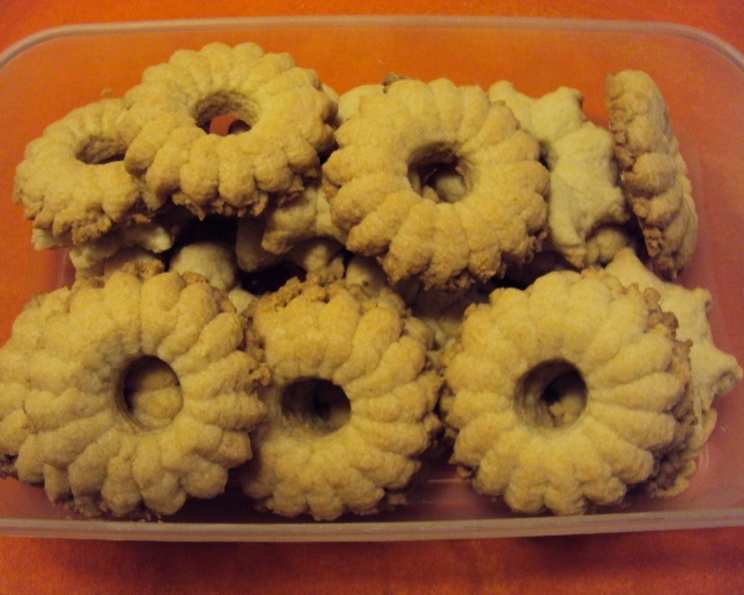
Incredible Gluten-Free Butter Cookies
There are certain cookie recipes that, once discovered, become instant family heirlooms, passed down through generations. For me, this gluten-free butter cookie recipe holds that special place, a testament to countless hours spent in the kitchen, chasing that perfect balance of crumbly texture and delicate sweetness. I remember vividly the first time I truly nailed it – the scent of warm butter and vanilla filling my home, the satisfying snap as I broke one in half, and the sheer delight on my family’s faces as they savored each bite, utterly unaware they were enjoying something gluten-free. It’s a memory etched in flour and sugar, a reminder that deliciousness knows no dietary boundaries.
Recipe Overview
- Prep Time: 30 minutes
- Cook Time: 15-20 minutes
- Total Time: 45-50 minutes
- Servings: 50-60 cookies
- Yield: Approximately 50-60 cookies
- Dietary Type: Gluten-Free
Ingredients
Creating these delightful cookies requires a specific blend of flours and carefully measured ingredients to achieve that sought-after shortbread-like texture, all while remaining gluten-free.
- 1 cup glutinous-rice flour (also known as sweet rice flour)
- 2/3 cup cornstarch
- 1 1/3 cups almond flour
- 1/4 cup teff flour
- 1 1/3 cups light cane sugar
- 1/2 cup coconut flour
- 200 grams butter, softened
- 2 teaspoons vanilla sugar
- 1/4 teaspoon salt
- 2 teaspoons xanthan gum
- 4 egg yolks
Optional Dairy-Free Note: If you need to avoid lactose, you can replace the butter with a combination of 4/5 dairy-free margarine and 1/5 Ghee. This substitution helps maintain that rich, buttery taste without the lactose.
Equipment Needed
While this recipe is relatively straightforward, having the right tools will ensure a smooth and successful baking experience.
- Large mixing bowl
- Wire whisk
- Measuring cups and spoons
- Cookie sheets or baking trays
- Silpat baking mats (optional, but highly recommended for non-stick baking)
- Rolling pin (if shaping by hand)
- Cookie cutters (if desired)
- Cookie press (optional, for decorative shapes)
- Cooling rack
Instructions
The magic of these cookies lies in their tender crumb and delicate sweetness, achieved through a precise method of combining ingredients and careful baking. Follow these steps for perfect results every time.
- Preheat your oven to 350 degrees Fahrenheit (175 degrees Celsius). Ensure your oven is properly calibrated for accurate baking.
- In a large mixing bowl, sift together the glutinous-rice flour, cornstarch, almond flour, and teff flour. Sifting is crucial for aerating the flours and preventing any lumps, which contributes to a smoother cookie texture.
- Next, grind the coconut flour together with the light cane sugar until the mixture is fine. This process helps to evenly distribute the coconut flour and ensures the sugar is well incorporated, preventing grittiness. Add this finely ground mixture to the bowl with the sifted flours.
- To the dry ingredients, add the xanthan gum, salt, and vanilla sugar. Mix all ingredients well using a wire whisk. A thorough whisking ensures all the dry components are evenly distributed, which is especially important for the xanthan gum, as it acts as a binder in gluten-free baking.
- Now, it’s time to incorporate the wet ingredients. Cut in the softened butter and the egg yolks. Begin by adding the butter and egg yolks to the dry ingredients.
- Knead the mixture until you have a nice, supple dough. At this initial stage, the dough may seem like it won’t come together. Don’t panic; it will! Continue to knead gently; the warmth from your hands and the gradual incorporation of the fats and moisture will coax the ingredients into a cohesive, pliable dough. This step is key to achieving the right consistency for shaping.
- Shape the cookies the way you prefer. You have a few options here:
- For cut-out cookies: Lightly flour a clean surface with a gluten-free flour blend and roll out the dough to about 1/4-inch thickness. Use your favorite cookie cutters to create shapes.
- For a cookie press: If your dough is a bit too stiff for using a cookie press, you can add a little cold water, no more than one tablespoon at a time, until it reaches the desired consistency. Be cautious not to add too much water, as this can make the dough too soft.
- For simple drop cookies: Roll small portions of dough into balls and flatten them slightly with the palm of your hand or the bottom of a glass.
- Place the shaped cookies on a greased cookie sheet or a Silpat liner, leaving about 1/2 inch of space between each cookie. This spacing allows for a little expansion during baking and prevents them from sticking together.
- Bake for 15 to 20 minutes. The baking time will vary slightly depending on the size and thickness of your cookies, as well as your oven. Remove the cookies from the oven when they start to smell wonderfully fragrant and have just turned slightly golden around the edges. They should feel firm to the touch but not overly browned. A slight golden hue indicates they are cooked through.
Expert Tips & Tricks
As a chef, I’ve learned that a few little adjustments can elevate a good cookie to an exceptional one. Here are some insights to help you achieve bakery-worthy gluten-free butter cookies:
- Ingredient Temperature is Key: Ensure your butter is softened but not melted. It should yield to gentle pressure. Cold butter will be difficult to incorporate, while melted butter can lead to greasy cookies that spread too much.
- Don’t Overwork the Dough: While kneading is necessary to bring the dough together, avoid overworking it. Overworking can develop toughness, even in gluten-free baked goods. Stop as soon as the dough is cohesive and pliable.
- The “Dough Won’t Come Together” Panic: This is a common point of anxiety for many bakers making gluten-free doughs. The combination of different flours, particularly the almond and coconut flours, can seem dry initially. Trust the process; the fat from the butter and the moisture from the egg yolks will eventually bind everything together as you knead.
- Cookie Press Perfection: If using a cookie press, make sure your dough has the right consistency. If it’s too stiff, the press might struggle, and the cookies might break. If it’s too soft, they won’t hold their shape. The tip about adding a small amount of cold water is crucial here.
- Consistent Baking: Ovens can vary. If you notice your cookies browning too quickly on one side, consider rotating your baking sheets halfway through the baking time. For very even baking, you can bake one sheet at a time on the center rack.
- Visual Cues for Doneness: Beyond the golden edges and wonderful aroma, a gentle touch should reveal that the cookies are set. They will continue to firm up slightly as they cool.
Serving & Storage Suggestions
These versatile cookies are a delight on their own, perfect with a cup of tea or coffee.
- Serving: Allow the cookies to cool completely on a wire rack before serving. This ensures they firm up properly and develop their signature crumbly texture. They are elegant enough for a holiday cookie platter, a simple afternoon treat, or even as a base for a lightly frosted confection.
- Storage: Store these cookies in an airtight container at room temperature for up to a week. Their relatively low moisture content means they keep well without refrigeration. If you wish to keep them longer, they can be frozen.
- Freezing: You can freeze the raw dough, shaped cookies, or baked cookies. For raw dough, shape and freeze on a baking sheet until firm, then transfer to a freezer-safe bag or container. For baked cookies, ensure they are completely cooled and wrap them tightly in plastic wrap, then place in a freezer-safe container. They will last for up to 2-3 months in the freezer. Thaw frozen cookies at room temperature or bake frozen raw dough directly from the freezer, adding a few extra minutes to the baking time.
Nutritional Information
Here is an estimated nutritional breakdown per cookie, assuming a yield of 55 cookies.
| Nutrient | Amount per Serving | % Daily Value |
|---|---|---|
| Calories | 50.5 kcal | |
| Calories from Fat | ||
| Total Fat | 3.6 g | 5% |
| Saturated Fat | 2.2 g | 10% |
| Cholesterol | 23.6 mg | 7% |
| Sodium | 35.3 mg | 1% |
| Total Carbohydrate | 4.1 g | 1% |
| Dietary Fiber | 0.1 g | 0% |
| Sugars | 0 g | 0% |
| Protein | 0.4 g | 0% |
Note: Nutritional values are estimates and can vary based on specific ingredients and portion sizes.
Variations & Substitutions
While this recipe is fantastic as is, here are some ideas to get creative:
- Citrus Zest: Add the zest of one lemon or orange to the dough for a bright, refreshing twist.
- Chocolate Drizzle: Once cooled, drizzle with melted dark or white chocolate for an extra touch of decadence.
- Spices: Incorporate a pinch of ground cinnamon or nutmeg into the dry ingredients for a warmer flavor profile, especially lovely during the holidays.
- Nut-Free Option: For those with nut allergies, you can experiment with substituting the almond flour with a blend of gluten-free all-purpose flour and a touch more rice flour or sorghum flour. Be aware that this may alter the texture and richness.
FAQs (Frequently Asked Questions)
Q: Why is my gluten-free cookie dough so crumbly and won’t come together?
A: This is often normal for gluten-free doughs. Continue kneading gently; the fats and moisture will eventually bind the flours. If it remains excessively dry, add cold water, one tablespoon at a time, until a supple dough forms.
Q: Can I make these cookies without xanthan gum?
A: Xanthan gum acts as a binder in gluten-free baking, mimicking the role of gluten. While you could omit it, the cookies may be more crumbly and prone to breaking. Other binders like psyllium husk can be explored, but they may alter the texture and require recipe adjustments.
Q: How can I ensure my cookies don’t spread too much?
A: Ensure your butter is properly softened but not melted, and chill the dough for about 30 minutes before shaping and baking if you find it too soft. Baking on a Silpat liner can also help prevent excessive spread.
Q: These cookies are a bit too crumbly, how can I fix it?
A: If your cookies are consistently too crumbly after baking, it might indicate slightly too much flour or not enough fat. Ensure your flour measurements are accurate, and that your butter is at the correct consistency. For future batches, you could try adding an extra egg yolk or a tablespoon more of softened butter.
Q: Can I use different types of gluten-free flours?
A: While this recipe is specifically balanced with the flours listed, you can experiment cautiously. Substituting large amounts of different flours may significantly alter the texture and outcome. It’s best to stick to the provided blend for guaranteed results.
Final Thoughts
These Incredible Gluten-Free Butter Cookies are more than just a recipe; they are an invitation to experience the joy of truly delicious baking, regardless of dietary needs. They are proof that with a little patience and a well-crafted formula, you can create treats that rival any traditional cookie. I encourage you to give them a try, perhaps for your next holiday gathering or simply as a weekend indulgence. Share them with loved ones, gather their feedback, and savor the moments of pure cookie bliss. I’m confident you’ll find them as delightful to bake as they are to eat.