
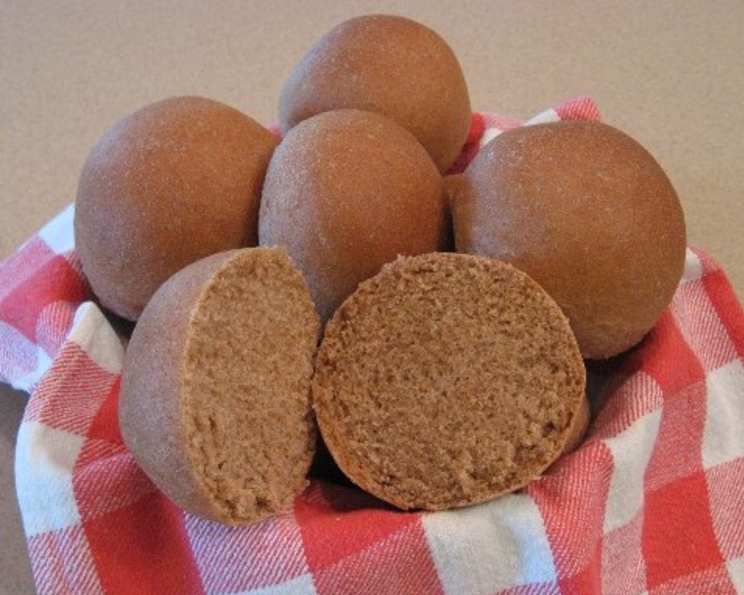
The Humble Whole Wheat Dinner Roll: A Taste of True Wheat
There’s something profoundly grounding about the aroma of freshly baked bread, especially when it’s made with 100% whole wheat. I remember my grandmother’s kitchen, a place where flour dust danced in sunbeams and the air was perpetually perfumed with the promise of a delicious meal. Her whole wheat rolls, with their hearty chew and nutty flavor, were a staple at our Sunday dinners. They weren’t just bread; they were a tangible expression of love and sustenance, a reminder of the earth’s bounty transformed by simple ingredients and patient hands. Crafting these rolls brings me back to those cherished moments, offering a connection to tradition and a deeply satisfying culinary experience.
Recipe Overview
- Prep Time: Up to 1 hour 30 minutes (includes rising time)
- Cook Time: 25-30 minutes
- Total Time: Approximately 2 hours
- Servings: 14
- Yield: 14 rolls
- Dietary Type: Contains Wheat, Dairy (powdered milk)
Ingredients
- 2 (1/4 ounce) packages active dry yeast
- 2 teaspoons salt
- 1/4 cup brown sugar or 1/4 cup honey
- 1/2 cup canola oil or 1/2 cup extra light virgin olive oil
- 2 cups hot water
- 1/3 cup powdered milk
- 5 cups 100% whole wheat flour
Equipment Needed
- Large mixing bowls (at least two)
- Electric mixer with dough hook attachment (optional, but helpful)
- Wooden spoon
- Measuring cups and spoons
- Plastic wrap or a clean kitchen towel
- Baking sheets
- Parchment paper (optional, for lining baking sheets)
- Wire cooling racks
- Small saucepan (if using milk instead of powdered milk)
- Candy thermometer (if heating milk)
Instructions
Begin by preparing your workspace and gathering your ingredients. The journey to these delightful whole wheat dinner rolls starts with a few simple steps, but patience is key, especially with the rising times.
- Grease a large mixing bowl and set it aside. This will be for the initial rise of your dough.
- In a second, large mixing bowl, combine the active dry yeast, salt, your chosen sweetener (brown sugar or honey), canola oil (or extra light virgin olive oil), and hot water.
- Using an electric mixer, mix all these ingredients for 2 minutes. This initial mixing helps to bloom the yeast and begin the process of developing the dough.
- Next, add 2 cups of the 100% whole wheat flour and the powdered milk to the bowl.
- Continue to mix with the electric mixer for another 2 minutes.
- Now, transition to a wooden spoon. Stir in the remaining 3 cups of 100% whole wheat flour. The dough will become quite stiff.
- Remove the dough from the bowl and place it onto a lightly floured countertop or a clean table.
- Knead the dough for 10 minutes. This is a crucial step for developing gluten, which gives the bread its structure and elasticity. If the dough feels too sticky during kneading, you may need to sprinkle a little flour on your hands or the work surface a couple of times. Be careful not to add too much flour, as this can make the bread dry. The goal is a smooth, elastic dough.
- Once kneaded, take the dough and place it in the greased bowl you prepared earlier. Flip the dough over so that the greased side is facing up. This ensures the entire surface of the dough is lightly coated, preventing it from drying out.
- Cover the bowl with a piece of plastic wrap. Lay it over the bowl loosely, without tightening it down, or you can use a small kitchen towel. The plastic wrap is particularly helpful in preventing the dough from forming a dry crust.
- Let the dough rise in a warm place until it has doubled in size. Ideal warm spots include a sunny window or even on a warm clothes dryer that is running. In such warm environments, the dough can rise as quickly as 45 minutes. Otherwise, it may take anywhere from 1 hour to 1 ½ hours, depending on the ambient temperature of your house.
- To test if the dough has doubled, gently press the top of the dough with the tips of your two fingers, lightly and quickly, about 1/2 inch into the dough. If the impression remains, the dough is ready. If the indent disappears quickly, it needs a little more time to rise. Cover and let it rest a bit longer. It’s worth noting that 100% whole wheat bread typically doesn’t achieve the same dramatic height as white bread.
- While the dough is rising, lightly grease a cookie sheet with shortening, or you can line it with parchment paper for easier cleanup.
- After the dough has doubled, dump the dough from the bowl onto a clean table or counter.
- Pull about 14 pieces of dough off the main mass. Shape each piece into a ball by tucking the ends under, similar to pinching all the edges towards the center on the underside of the roll.
- Place the shaped rolls onto the greased cookie sheet(s), spacing them about 2 inches apart to allow for their second rise and to prevent them from sticking together as they bake.
- Cover the shaped rolls with a towel and let them rise in a warm place for about 30 minutes. This second rise, or proofing, will make them lighter and airier.
- Preheat your oven to 325 degrees Fahrenheit (160 degrees Celsius).
- Bake one cookie sheet at a time. Bake for 25-30 minutes. The rolls should be golden brown on top.
- Once baked, remove the cookie sheet from the oven. To achieve a soft crust, take a wet paper towel (it can be quite wet, trust me, it won’t make the bread soggy!) and wipe off the tops of the baked rolls. This step is key to keeping the crust wonderfully soft and pliable. However, you can skip this if you prefer a crispier crust.
- Remove the rolls from the cookie sheet and place them on wire racks to cool.
- Wait at least 5 minutes (if you can resist!) before splitting a roll open and smearing it with butter. This brief resting period allows the bread to set, improving its texture.
Notes on Variations and Substitutions:
- For a Less Intense Wheat Flavor: If you find the flavor of 100% whole wheat bread to be too strong or the texture too dense, you can substitute half of the whole wheat flour with bread flour. This will result in a lighter tasting and textured bread.
- No Powdered Milk? No Problem! If you don’t have powdered milk, you can heat 2 cups of milk, or a combination of 1 cup milk and 1 cup water, in a small saucepan to 120 degrees Fahrenheit (49 degrees Celsius) on a candy thermometer. Omit the 2 cups of hot water and use this heated milk mixture instead.
- Flour Adjustment: When working with 100% whole wheat flour, especially in baking, the amount of flour needed can sometimes vary depending on the humidity or dryness of the air. Adding too much wheat flour can lead to a dry bread. Use your judgment and the dough’s consistency as your guide.
Expert Tips & Tricks
The beauty of these whole wheat rolls lies in their simplicity, but a few chef-tested techniques can elevate them even further.
- Proofing Your Yeast: Before you begin, ensure your yeast is active. Combine a pinch of sugar with warm water (around 105-115°F or 40-46°C) and the yeast. Let it sit for about 5-10 minutes. If it gets foamy, your yeast is good to go! If not, it’s time for a fresh packet.
- The Power of a Warm Rise: Yeast thrives in warmth. If your kitchen is cool, creating a warm environment is essential. An oven that has been briefly turned on and then turned off (with the light on) is a classic method. Another is placing the bowl on top of your running dishwasher or a gently warming clothes dryer.
- The ‘Windowpane’ Test: While kneading, aim for the ‘windowpane’ test. Pinch off a small piece of dough and gently stretch it. If you can stretch it thin enough to see light through it without it tearing, your gluten is well-developed.
- Soft Crust Secret: Don’t shy away from the wet paper towel trick after baking. It truly makes a difference in maintaining a soft, tender crust, especially for whole wheat breads which can sometimes feel a bit heartier.
Serving & Storage Suggestions
These whole wheat dinner rolls are incredibly versatile and a perfect accompaniment to almost any meal.
Serve them warm, fresh from the oven, split open and generously buttered. They are an excellent companion to hearty soups, rich stews, roasted meats, or a simple side salad. For a delightful brunch, they pair wonderfully with eggs, bacon, and avocado.
If you find yourself with any leftover rolls, allow them to cool completely before storing. Store them in an airtight container at room temperature for up to 2 days. For longer storage, place them in freezer bags and freeze them for up to 3 months. To reheat a frozen roll, simply microwave it for about 30 seconds until warmed through.
Nutritional Information
(Please note: This is an approximate nutritional value based on the ingredients listed. Actual values may vary.)
| Nutrient | Amount per Serving | % Daily Value |
|---|---|---|
| Calories | 247 kcal | |
| Calories from Fat | ||
| Total Fat | 9.4 g | 14% |
| Saturated Fat | 1.2 g | 6% |
| Cholesterol | 3 mg | 0% |
| Sodium | 348.4 mg | 14% |
| Total Carbohydrate | 36.5 g | 12% |
| Dietary Fiber | 5.4 g | 21% |
| Sugars | 5.1 g | 20% |
| Protein | 7.1 g | 14% |
Variations & Substitutions
While this recipe shines with 100% whole wheat, feel free to explore variations:
- Seeds and Grains: Incorporate a few tablespoons of sesame seeds, poppy seeds, or rolled oats into the dough during the final kneading stage for added texture and flavor.
- Herbs and Spices: For a savory twist, add a teaspoon of dried rosemary, thyme, or a pinch of garlic powder to the dry ingredients.
- Honey vs. Maple Syrup: While brown sugar or honey are specified, pure maple syrup can also be used as a sweetener for a different nuanced flavor.
FAQs (Frequently Asked Questions)
Q: Why is my whole wheat dough so sticky?
A: Whole wheat flour absorbs more liquid than white flour, so it can feel stickier. Use the minimum amount of flour needed to achieve a workable dough, and don’t be afraid of a slightly tacky dough.
Q: How can I ensure my rolls rise properly?
A: Ensure your yeast is fresh and that you’re proofing it in warm, not hot, water. Providing a consistently warm environment for the dough to rise is crucial.
Q: Can I make these rolls vegan?
A: To make these rolls vegan, you would need to omit the powdered milk. You can substitute the milk with an equal amount of water or unsweetened plant-based milk, and ensure your sweetener is vegan (brown sugar or honey are generally fine, but check for processing if strictly vegan).
Q: My rolls didn’t get very tall. Is that normal for whole wheat?
A: Yes, it is normal for 100% whole wheat bread to not rise as high as white bread due to the nature of the flour. The texture and flavor are the primary benefits here.
Q: How can I adapt this recipe for loaf bread?
A: You can use this same dough to make a loaf. Since 100% whole wheat bread is denser, baking it in a single loaf pan is recommended for a better rise. After the first rise, flatten the dough into a greased loaf pan and let it rise for about 45 minutes. Bake at 350 degrees Fahrenheit (175 degrees Celsius) for 40-50 minutes.
Final Thoughts
These whole wheat dinner rolls are more than just a side dish; they are a comforting, wholesome addition to any table. The rich, nutty flavor and satisfying texture are a testament to the simple goodness of whole grains. They embody the spirit of home baking – unpretentious, nourishing, and deeply satisfying. I encourage you to try this recipe, perhaps on a crisp autumn evening or for a festive holiday gathering. Share them with loved ones, and don’t hesitate to experiment with the variations. The aroma that fills your kitchen as they bake is truly a reward in itself. Enjoy every delicious bite!