
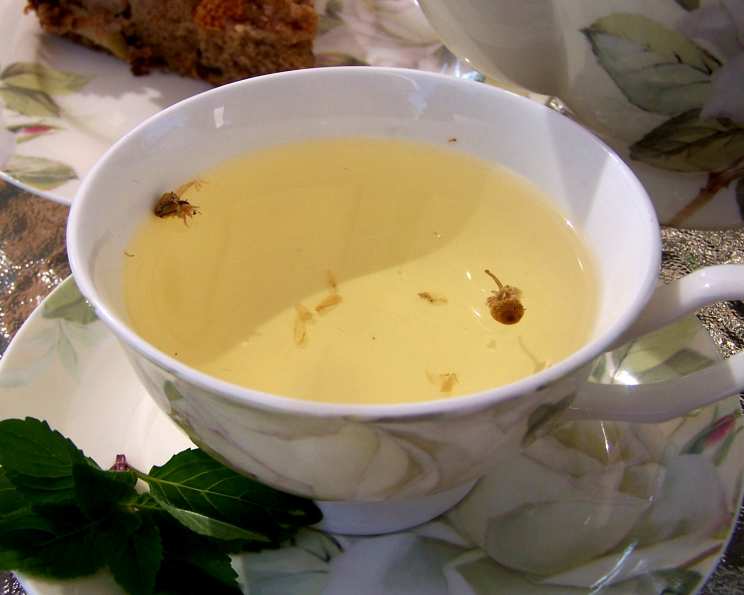
The Gentle Embrace of Insomnia Tea: A Soothing Brew for Restful Nights
There are moments in life, often in the quiet hush of the late evening, when the world feels too loud, too fast. It’s in these instances that a simple, warm mug can feel like a comforting hug. I remember a particularly stressful period years ago, juggling a demanding culinary competition and personal commitments. Sleep became a fleeting luxury. It was then that an old mentor, a wise herbalist who also happened to be a gifted baker, shared this very blend with me. The aroma alone was calming, a fragrant whisper of herbs promising peace. And indeed, with each sip, I felt a tangible unwinding, a gentle ushering into much-needed slumber. This tea isn’t just a beverage; it’s a ritual, a small act of self-care designed to soothe frayed nerves and guide you toward tranquility.
Recipe Overview
- Prep Time: Less than 5 minutes
- Cook Time: 10 minutes (steeping time)
- Total Time: 15 minutes
- Servings: 1
- Yield: 1 cup
- Dietary Type: Vegan, Caffeine-Free
Ingredients
This blend is beautifully simple, relying on the inherent virtues of its herbal components. The original recipe mentioned vervain, a herb known for its calming properties and its ability to tone the system, and while it can be challenging to source consistently, it’s certainly a welcome addition if you can find it. Similarly, valerian root, another potent relaxant, can be used as a substitute or in conjunction with vervain. For this recipe, we will focus on readily available ingredients that still deliver a profound sense of calm.
- 1 ounce Chamomile Flowers: These delicate blossoms are renowned for their gentle sedative qualities, easing anxiety and promoting relaxation. Their subtly sweet, apple-like flavor forms the comforting base of this tea.
- 1/2 ounce Spearmint Leaves: Beyond its refreshing aroma and flavor, spearmint offers a digestive calm, often helping to settle the stomach, which can sometimes be a source of nighttime discomfort. It also adds a bright, cooling counterpoint to the chamomile.
Equipment Needed
- A heatproof mug or teapot
- A kettle or saucepan for boiling water
- A fine-mesh strainer or tea infuser
Instructions
Crafting this insomnia tea is a swift and straightforward process, designed to be accessible even when you’re feeling weary. The key is to allow the herbs ample time to release their beneficial compounds without resorting to harsh boiling, which can diminish their delicate flavors and therapeutic properties.
- Begin by gathering your dried chamomile flowers and spearmint leaves.
- If you are using any optional ingredients like vervain or valerian, mix them gently with the chamomile and spearmint teas in a small bowl at this stage.
- Boil 1 cup of fresh, cold water in your kettle or saucepan. Once it reaches a rolling boil, remove it immediately from the heat. This is crucial to avoid scalding the delicate herbs.
- Place your chamomile flowers and spearmint leaves (and any optional herbs you’re using) into your heatproof mug or a tea infuser.
- Pour the hot (not boiling) water over the herbs.
- Cover your mug or teapot to trap the steam and heat, and steep for 8 to 10 minutes. This steeping time allows the herbs to fully infuse the water with their soothing essence.
- After steeping, strain the tea through a fine-mesh strainer to remove all the herb particles, ensuring a smooth drinking experience.
- You may choose to sweeten your tea with a touch of honey or sugar if you prefer. Honey, in particular, has its own gentle, soothing qualities.
- Drink the warm tea slowly, allowing yourself to unwind and prepare for a restful night. Remember, the intention is relaxation, so savor the aroma and the warmth.
A Crucial Note: Please do not boil the tea leaves directly in the water for an extended period. This can lead to a bitter taste and can degrade some of the beneficial volatile oils in the herbs. Gentle steeping is the way to unlock their full potential.
Expert Tips & Tricks
- Quality Ingredients Matter: For the most potent and flavorful tea, always opt for high-quality, organic dried herbs from a reputable supplier. Fresher herbs will yield a more vibrant aroma and taste.
- The Perfect Water Temperature: While we instruct to boil the water and then let it sit briefly, the ideal steeping temperature for most herbal teas is around 195-205°F (90-96°C). Letting it sit for about 30 seconds to a minute after boiling usually achieves this.
- Batch Preparation for Gifting: This insomnia tea makes a wonderful, thoughtful gift. Combine the dried herbs in a decorative jar, attach a tag with the brewing instructions, and pair it with a good book or some luxurious bath salts. It’s a gesture that speaks volumes about caring for someone’s well-being.
- Customizing Your Blend: Feel free to experiment with other calming herbs like lemon balm for anxiety relief or passionflower for deeper sleep support, always in moderation and research their properties.
Serving & Storage Suggestions
This tea is best enjoyed warm, in the evening, about an hour before bedtime. Serve it in your favorite comfortable mug, perhaps while reading a book or listening to calming music. Its gentle nature means it’s unlikely to interfere with morning alertness.
Leftover prepared tea can be stored in an airtight container in the refrigerator for up to 24 hours. However, it is most potent and enjoyable when freshly brewed. If you do refrigerate it, you can gently reheat it on the stovetop, being careful not to let it boil, or by adding a splash of hot water to a chilled portion.
Nutritional Information
This herbal infusion is remarkably low in calories and a wonderful way to hydrate before sleep without the stimulating effects of caffeine.
| Nutrient | Amount per Serving | % Daily Value |
|---|---|---|
| Calories | 6.3 kcal | <1% |
| Calories from Fat | 0 kcal | 0% |
| Total Fat | 0.1 g | 0% |
| Saturated Fat | 0 g | 0% |
| Cholesterol | 0 mg | 0% |
| Sodium | 4.3 mg | 0% |
| Total Carbohydrate | 1.2 g | 0% |
| Dietary Fiber | 1 g | 3% |
| Sugars | 0 g | 0% |
| Protein | 0.5 g | 1% |
Note: Nutritional information is an estimate based on the primary ingredients and may vary depending on specific product variations and any added sweeteners.
Variations & Substitutions
While the combination of chamomile and spearmint is classic, the world of herbal teas offers many avenues for customization:
- For Deeper Relaxation: If you can find it, 1/4 ounce of dried Valerian Root can be added to the blend. Be aware that valerian has a distinct, earthy aroma that some find potent, though its sleep-inducing properties are well-regarded.
- For Nervousness and Uplift: As mentioned, Vervain is an excellent addition if available. A small amount, perhaps 1/4 ounce, can contribute to its therapeutic benefits.
- A Touch of Citrus: A sliver of fresh lemon peel (organic and pesticide-free) added during steeping can provide a brighter note and additional vitamin C. Remove it before drinking.
- Soothing the Throat: A small amount of licorice root (again, in moderation) can add a natural sweetness and a coating, soothing effect for the throat.
FAQs
Q: Can I drink this tea if I’m pregnant or breastfeeding?
A: While these herbs are generally considered safe, it’s always best to consult with your healthcare provider before consuming any herbal remedies during pregnancy or while breastfeeding.
Q: How soon before bed should I drink this tea?
A: For optimal results, aim to drink your cup of insomnia tea about 30-60 minutes before you plan to go to sleep. This allows your body time to relax and prepare for rest.
Q: Can I add honey or sugar to this tea?
A: Absolutely! Honey or a touch of sugar can be added to your liking. Honey, in particular, is often associated with promoting sleep and can complement the herbal blend beautifully.
Q: Is this tea suitable for children?
A: Chamomile is often given to children for mild restlessness. However, for very young children, it’s always wise to check with a pediatrician first. Use smaller quantities and ensure no added sugar.
Q: What if I can’t find one of the ingredients?
A: If you can’t find spearmint, peppermint can be used as a substitute, though spearmint tends to be slightly milder and more soothing. If chamomile is unavailable, lemon balm is another excellent calming herb.
Final Thoughts
There’s a profound simplicity and elegance in a cup of well-made herbal tea. This Insomnia Tea is a testament to nature’s ability to provide comfort and calm. It’s a small, accessible ritual that can significantly impact our well-being, especially in our often-hectic modern lives. I encourage you to brew a cup tonight, savor its aromatic embrace, and allow yourself to drift into a peaceful slumber. Share this recipe with loved ones who might benefit from its gentle magic, perhaps packaged as a beautiful, homemade gift. May your nights be restful and your mornings bright.