
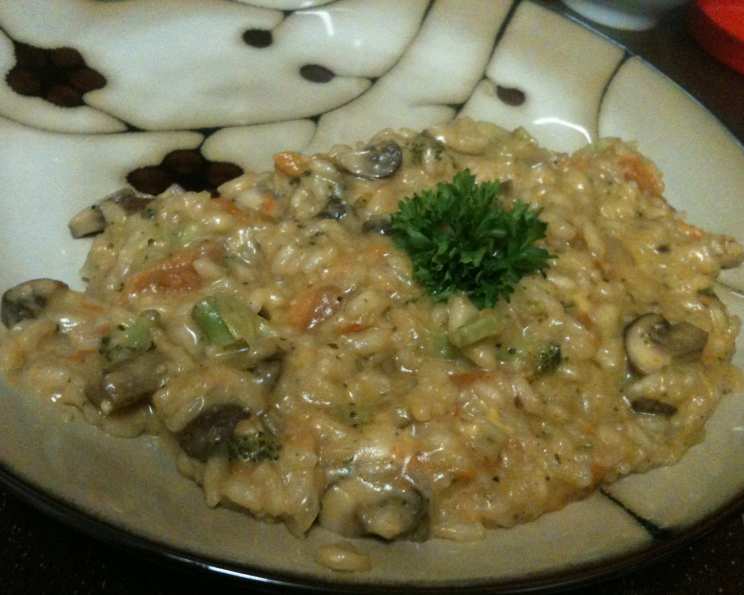
A Symphony of Spring: Fresh Vegetable Risotto
There are certain dishes that, for me, are more than just food; they’re memories etched in flavor and texture. My fondest recall of fresh vegetable risotto isn’t from a Michelin-starred restaurant, but from a sun-drenched afternoon in my grandmother’s garden, surrounded by the vibrant hues of late spring. We’d just picked a basket overflowing with tender asparagus, sweet peas, and ruby-red tomatoes. Later that day, she transformed these treasures into a risotto so luminous and alive, it tasted of the very sunshine that coaxed them from the earth. It was a lesson in patience, in coaxing out the inherent sweetness of simple ingredients, and in the magic that happens when good rice and good broth dance together.
Recipe Overview
- Prep Time: 15 minutes
- Cook Time: 30 minutes
- Total Time: 45 minutes
- Servings: 4
- Yield: Approximately 4 servings
- Dietary Type: Vegetarian (easily made vegan with vegetable broth and omitting cheese)
Ingredients
This recipe celebrates the bounty of fresh produce, allowing the natural flavors to shine. While the vegetables listed are excellent choices, feel free to adapt with what’s in season and at its peak.
- 2 cups sliced fresh mushrooms (cremini or button work beautifully)
- 1 medium onion, chopped (about 1/2 cup)
- 2 garlic cloves, minced
- 2 tablespoons olive oil or cooking oil
- 1 cup arborio rice (or 1 cup long grain rice as a substitute)
- 3 cups vegetable broth or 3 cups chicken broth
- 3/4 cup bite-size asparagus pieces (or 3/4 cup broccoli florets)
- 1 medium tomatoes, seeded and diced (about 3/4 cup)
- 1/4 cup shredded carrot
- 1 cup shredded Fontina cheese (4 ounces, or 1 cup Muenster cheese, 4 ounces)
- 1/4 cup grated Parmesan cheese
- 3 tablespoons snipped fresh basil (or 3 tablespoons parsley)
- Tomatoes, sliced, for garnish (optional)
Equipment Needed
To create this delightful dish, you’ll need a few essential kitchen tools:
- A large, heavy-bottomed saucepan or Dutch oven for cooking the risotto.
- A separate saucepan to keep your broth warm.
- A wooden spoon or heatproof spatula for constant stirring.
- A sharp knife and cutting board for preparing vegetables.
- Measuring cups and spoons.
- A grater for the cheeses.
Instructions
The art of risotto lies in its gentle, unhurried approach. Each step is designed to coax the starch from the rice, creating that signature creamy texture without a drop of cream.
-
In a large saucepan, combine the mushrooms, onion, and garlic. Add the olive oil (or cooking oil) and cook over medium heat. Continue to stir until the onion is tender but not browned. This gentle sautéing builds a foundational layer of flavor.
-
Stir in the arborio rice. Cook and stir the rice for about 5 minutes. This toasting process, known as tostatura, helps the grains absorb liquid more evenly and prevents them from becoming mushy.
-
Meanwhile, in a separate saucepan, bring the vegetable broth (or chicken broth) to a boil. Once boiling, reduce the heat to a simmer. Keeping the broth warm is crucial; adding cold liquid will shock the rice and disrupt the cooking process.
-
Now, the patient work begins. Slowly add 1 cup of the simmering broth to the rice mixture, stirring constantly.
-
Continue to cook and stir until the liquid is absorbed by the rice. You’ll notice the rice plumping up and the mixture becoming slightly more cohesive.
-
Add 1/2 cup of the broth and the asparagus (or broccoli) pieces to the rice mixture, stirring constantly.
-
Continue to cook and stir until the liquid is absorbed again.
-
Add 1 cup more broth, doing so 1/2 cup at a time. Stir constantly until each addition of broth has been absorbed before adding the next 1/2 cup.
-
This gradual addition and constant stirring process should take about 15 minutes. The rice should be releasing its starches, creating a luxurious, creamy consistency.
-
Stir in the diced tomato, shredded carrot, and the remaining 1/2 cup of broth.
-
Cook and stir until the rice is slightly creamy and just tender. The grains should retain a slight bite – al dente – not be soft or mushy.
-
Finally, stir in the Fontina cheese (or Muenster cheese), Parmesan cheese, and basil (or parsley). Stir until the cheeses are melted and the risotto is beautifully emulsified.
-
If desired, garnish with some tomato slices. Serve immediately to enjoy the risotto at its peak creaminess.
Expert Tips & Tricks
Risotto, while requiring attention, is wonderfully forgiving. Here are a few pointers to elevate your game:
- Broth is Key: Using a high-quality vegetable or chicken broth makes a significant difference. If you have homemade stock, all the better!
- Stirring Strategy: While constant stirring is important, it doesn’t have to be frantic. A steady, consistent motion is what helps release the starch. Think of it as a gentle massage for the rice.
- Vegetable Timing: For firmer vegetables like broccoli, you might want to blanch them briefly before adding to ensure they cook through without overcooking the rice. Asparagus, however, usually cooks perfectly within the risotto.
- Rice Choice: Arborio rice is the classic choice for risotto due to its high starch content, which contributes to the creamy texture. However, Carnaroli or Vialone Nano are also excellent alternatives. If using long-grain rice, the texture will be slightly different but still enjoyable.
- Doneness Test: The rice should be tender to the bite but still have a slight firmness in the center. It should be creamy and flow slightly on the plate, not be a stiff, solid mass.
Serving & Storage Suggestions
Risotto is a dish best enjoyed fresh. The creamy texture can break down if left to sit for too long.
- Serving: Serve the risotto immediately in warm bowls. The optional tomato slices add a fresh, acidic counterpoint and a lovely visual appeal. A sprinkle of extra fresh basil or parsley just before serving is always a good idea.
- Storage: Leftovers can be stored in an airtight container in the refrigerator for up to 2 days.
- Reheating: Reheat gently in a saucepan over low heat, adding a splash of broth or water to loosen it up and restore its creamy consistency. Avoid microwaving, as it can sometimes lead to a gummy texture.
Nutritional Information
(Estimated values based on the use of vegetable broth and Fontina cheese)
| Nutrient | Amount per Serving | % Daily Value |
|---|---|---|
| Calories | 408.3 kcal | – |
| Total Fat | 17.5 g | 26% |
| Saturated Fat | 7.3 g | 36% |
| Cholesterol | 36.8 mg | 12% |
| Sodium | 327.2 mg | 13% |
| Total Carbohydrate | 47.9 g | 15% |
| Dietary Fiber | 3.5 g | 14% |
| Sugars | 4 g | 15% |
| Protein | 15.3 g | 30% |
Please note: Nutritional values are estimates and can vary based on specific ingredients and preparation methods.
Variations & Substitutions
This recipe is a fantastic canvas for creativity. Don’t hesitate to experiment with seasonal vegetables and flavor additions.
- Vegan Risotto: To make this dish vegan, simply use vegetable broth and omit the Fontina/Muenster and Parmesan cheeses. You can add a tablespoon of nutritional yeast for a cheesy flavor, or a swirl of cashew cream at the end for extra richness.
- Seasonal Vegetables: Swap asparagus and broccoli for other quick-cooking vegetables like peas, spinach, zucchini, or bell peppers. In the fall, roasted butternut squash or pumpkin puree would be divine.
- Herbs: Experiment with other fresh herbs like chives, tarragon, or mint, depending on the vegetables you choose.
- Citrus Zest: A little lemon zest stirred in at the end can brighten the flavors beautifully, especially with asparagus and peas.
FAQs (Frequently Asked Questions)
Q: Why is my risotto not creamy?
A: The creaminess in risotto comes from the starch released by the rice. Ensure you are using a starchy rice like Arborio and are stirring consistently to encourage this release. Adding the broth gradually also helps.
Q: Can I use a different type of rice for risotto?
A: While Arborio is traditional, other short-grain, high-starch rice varieties like Carnaroli or Vialone Nano will also yield excellent results. Long-grain rice can be used in a pinch, but the texture will be less creamy.
Q: How do I prevent my risotto from becoming mushy?
A: Avoid overcooking the rice. It should be tender but still have a slight bite in the center (al dente). Also, be mindful of the amount of liquid; too much can lead to a mushy texture.
Q: Can I add protein to my vegetable risotto?
A: Absolutely! Cooked chicken, shrimp, or pan-seared scallops can be stirred in at the end for a heartier meal. For a vegetarian protein boost, consider adding cooked cannellini beans or chickpeas.
Q: Is it okay to make risotto ahead of time?
A: Risotto is best served immediately after cooking. However, if you must make it ahead, cook it slightly al dente and store it. Reheat gently with extra broth or water, stirring constantly, to revive its creamy texture.
Final Thoughts
This Fresh Vegetable Risotto is a testament to the beauty of simplicity. It’s a dish that nourishes not just the body, but the soul, reminding us to slow down, savor the moment, and appreciate the vibrant gifts of nature. Whether you’re a seasoned cook or embarking on your culinary journey, I encourage you to try this recipe. Let the vibrant colors and delicate flavors transport you. Feel free to share your creations and variations; I always love hearing about your kitchen adventures! Enjoy every creamy, comforting bite.