Flubber II (And Windbreakers): A Culinary Journey into Playful Chemistry
There are those dishes that transport you back to your childhood kitchen, a place of comforting aromas and boundless exploration. For me, Flubber isn’t just a recipe; it’s a memory etched in vibrant colors and the satisfying squish of malleable goodness. I remember rainy afternoons, the kind that pressed against the windowpanes like a curious child, finding myself in my mother’s kitchen, not for cookies, but for something far more magical. With a gleeful anticipation, we’d gather our “ingredients,” and soon the air would be filled with the distinct, slightly chemical scent that signaled an afternoon of pure, unadulterated fun. It was a sensory playground, a testament to how simple elements could transform into something so endlessly engaging.
Recipe Overview
- Prep Time: 10 minutes
- Cook Time: 0 minutes
- Total Time: 10 minutes
- Servings: 1 (for playing)
- Yield: Approximately 4 cups
- Dietary Type: Non-edible
Ingredients
The magic of Flubber lies in its deceptively simple composition. Think of it as a culinary experiment that doesn’t require a heat source, just a curious mind and a willingness to get a little hands-on.
- 2 cups all-purpose white glue
- 2 cups warm water
- 3 tablespoons borax
- 1/3 cup warm water
- Liquid watercolor (for desired color, do not use food coloring)
Equipment Needed
While this isn’t your typical culinary endeavor, a few essential tools will help you achieve Flubber perfection.
- Two medium-sized bowls (one for the glue mixture, one for the borax solution)
- A stirring utensil (a spoon or spatula will do, but your hands will become the primary tools later!)
- A measuring cup
- A tablespoon
- Airtight container for storage
Instructions
The process of creating Flubber is as much about the tactile experience as it is about the end result. It’s a lesson in chemistry that’s both educational and incredibly entertaining, especially for younger budding scientists.
- In a small bowl, meticulously mix together 1/3 cup of warm water and the 3 tablespoons of borax. Stir this solution with your chosen utensil until the borax is completely dissolved. Set this aside for a moment.
- In a large bowl, combine the 2 cups of all-purpose white glue with the 2 cups of warm water.
- Now, it’s time to introduce color! Add a few drops of liquid watercolor to the glue and water mixture. Stir until you achieve your desired vibrant hue. Remember, the watercolors are concentrated, so start with a small amount and add more if needed. This is where your artistic flair comes into play!
- With the glue mixture ready, it’s time for the transformation. Slowly pour the dissolved borax mixture into the glue and water mixture.
- As you pour, begin stirring the combined ingredients. You’ll notice a fascinating change occurring almost immediately. The mixture will start to clump and solidify.
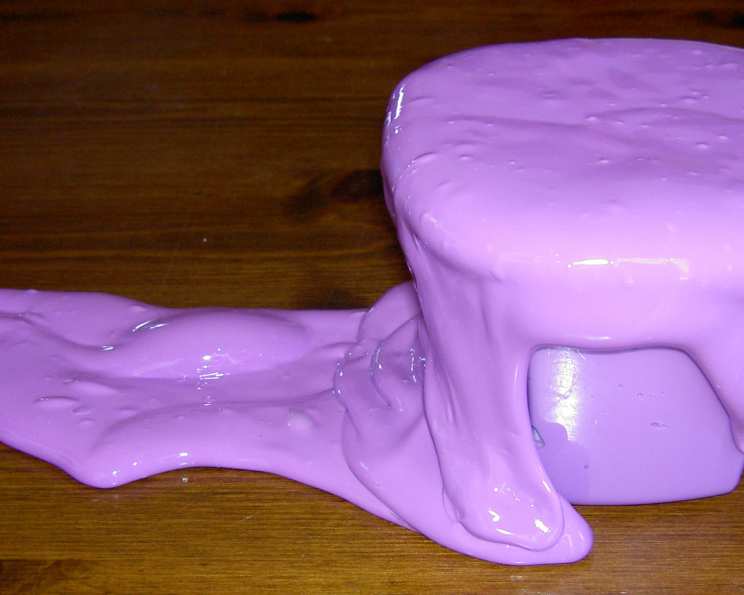
- Once the initial clumping has occurred, it’s time to get your hands involved! Lift and stretch the combined mixture with your hands. Continue this process, gently working the material, until all or most of the excess liquid is absorbed. You’ll feel the Flubber become more cohesive and rubbery as you work it. The more you knead, the less sticky it will become.
- And there you have it – your very own batch of Flubber!
Expert Tips & Tricks
While Flubber is quite forgiving, a few seasoned insights can elevate your creation and the play experience.
- Consistency is Key: The “warm water” instruction is important. Using warm water helps the borax dissolve more readily, ensuring a smoother, more uniform Flubber. Too cold, and you might end up with undissolved borax granules.
- The Art of Kneading: Don’t be afraid to get your hands in there! The kneading process is crucial for removing excess liquid and developing the characteristic elasticity of Flubber. It might feel a bit sticky at first, but persistence will be rewarded with a perfectly pliable substance.
- Color Vibrancy: For truly dazzling colors, consider using a few more drops of liquid watercolor than you might initially think. The white glue will act as a base, and a good amount of pigment is needed to achieve that vibrant, playful look.
- The “Windbreaker” Enhancement: The original recipe hints at a playful application for Flubber: “Windbreakers.” To achieve this, take small, round, airtight containers (like yogurt cups) and fill them with a small amount of Flubber. Press the lid on firmly, creating a seal. Then, gently squeeze the container. The air trapped within will be forced through the Flubber, creating a delightful “windbreaker” sound and effect! This is a fantastic way to extend the fun beyond just playing with the Flubber itself.
Serving & Storage Suggestions
Flubber isn’t served on a plate, but its “serving” is in the joy it brings.
Serving:
Once your Flubber is formed, it’s ready for immediate play! Present it in a large bowl or on a clean, non-porous surface for easy exploration. Encourage children to stretch, squeeze, mold, and experiment with its unique properties. For the “Windbreaker” effect, have small, lidded containers ready for your young aspiring pranksters.
Storage:
When playtime is over, it’s important to store your Flubber properly to maintain its texture and extend its lifespan. Store Flubber in an airtight container. This will prevent it from drying out and becoming hard. It can be kept at room temperature. While it doesn’t “spoil” in the traditional sense, it may eventually dry out or lose some of its elasticity if not stored correctly.
Important Note on Surfaces: While Flubber is generally washable from clothing, it is crucial to be aware that it will not come out of carpet or upholstery. Always play with Flubber on a protected surface to avoid any accidental mishaps.
Nutritional Information
As this is a non-edible creation, traditional nutritional information is not applicable. However, for completeness, here’s a breakdown of the primary components, noting their lack of nutritional value for consumption:
| Component | Quantity | Notes |
|---|---|---|
| Calories | 0 | Non-nutritional |
| Calories from Fat | 0 g | Non-nutritional |
| Total Fat | 0 g | Non-nutritional |
| Saturated Fat | 0 g | Non-nutritional |
| Cholesterol | 0 mg | Non-nutritional |
| Sodium | ~11.1 mg | From borax, not for consumption |
| Total Carbohydrate | 0 g | Non-nutritional |
| Dietary Fiber | 0 g | Non-nutritional |
| Sugars | 0 g | Non-nutritional |
| Protein | 0 g | Non-nutritional |
Variations & Substitutions
While the classic Flubber recipe is a guaranteed hit, a few creative twists can add even more dimensions to your play.
- Glitter Flubber: For a touch of sparkle, add a tablespoon or two of fine glitter to the glue and water mixture before adding the borax solution. This creates a mesmerizing, shimmering Flubber that’s extra enchanting.
- Glow-in-the-Dark Flubber: Incorporate a small amount of glow-in-the-dark powder (specifically designed for crafts and safe for this application) into the glue mixture. Prepare for some truly otherworldly playtime after the lights go out!
- Textured Flubber: Consider adding small amounts of craft beads, tiny foam balls, or even dried flower petals to the Flubber during the kneading stage for a unique sensory experience. Be mindful that these additions may alter the texture and stretchability.
FAQs (Frequently Asked Questions)
Q: Why should I use liquid watercolor instead of food coloring?
A: Liquid watercolors are more concentrated and provide brighter, more vibrant colors that are ideal for Flubber, whereas food coloring may result in a more muted tone and can sometimes stain more readily.
Q: My Flubber is too sticky. What can I do?
A: Continue kneading! The more you work the Flubber with your hands, the more liquid will be absorbed, and it will become less sticky. If it remains excessively sticky after thorough kneading, you can try adding a tiny bit more of the borax solution, a teaspoon at a time, and kneading again.
Q: Can children safely play with Flubber unsupervised?
A: While Flubber is non-toxic, adult supervision is always recommended, especially with younger children, to ensure they understand that it is not for eating and to prevent it from getting onto sensitive surfaces like carpets.
Q: How long does Flubber typically last?
A: When stored properly in an airtight container at room temperature, Flubber can last for several weeks, retaining its pliability and fun.
Q: Can I make Flubber in different colors at the same time?
A: Absolutely! You can easily divide the glue mixture into separate bowls and add different colors of liquid watercolor to each before proceeding with the borax solution to create a rainbow of Flubber.
Final Thoughts
The creation of Flubber is more than just following a recipe; it’s an invitation to rediscover the simple joys of hands-on exploration and playful discovery. It’s a reminder that some of the most engaging activities don’t require elaborate setups or expensive materials, but rather a willingness to experiment and a dash of imagination. So, gather your supplies, embrace the tactile nature of this delightful concoction, and prepare for hours of squishy, stretchy fun. And don’t forget to experiment with those “Windbreakers” – a classic prank that never fails to elicit a giggle! Share your colorful creations and your most inventive Flubber play ideas with us; we’d love to hear about your adventures in this wonderfully gooey world.