
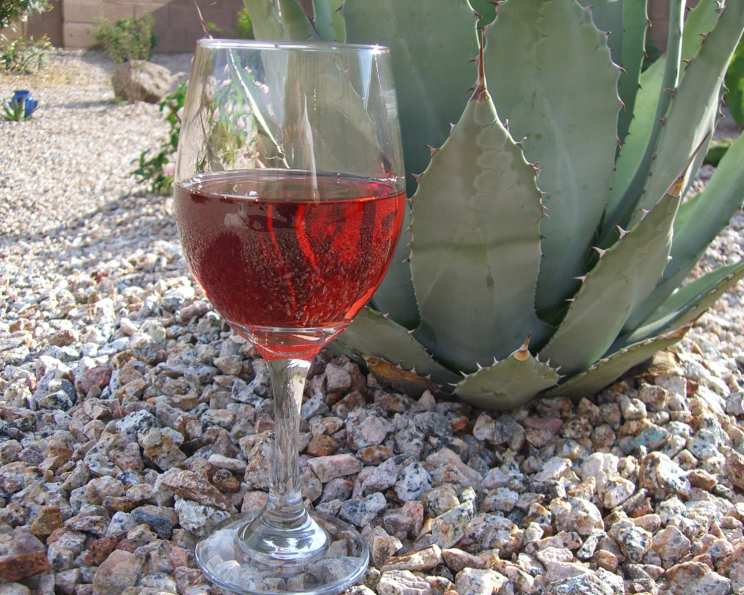
Kir: A Sip of Burgundian Elegance
The first time I encountered Kir, it wasn’t at a bustling bistro or a formal dinner. It was on a warm, late afternoon in a tiny, sun-drenched garden in Dijon, France. My host, a charming woman with eyes that sparkled like the wine itself, presented me with a tall, slender glass. The pale gold of the white wine shimmered, tinged with the faintest blush of ruby from the opaque liquid swirling at the bottom. With a gentle clink of glasses and a soft “Santé!”, she handed me the drink. That first sip was an revelation – a delicate balance of crisp, dry wine and a surprisingly sweet, fruity liqueur that danced on the tongue. It was simple, yet profoundly refreshing, a perfect encapsulation of Burgundian hospitality.
Recipe Overview
- Prep Time: 1 minute
- Cook Time: 0 minutes
- Total Time: 1 minute
- Servings: 1
- Yield: 1 serving
- Dietary Type: N/A
Ingredients
- 1 teaspoon crème de cassis
- 4 ounces white Burgundy, chilled
Equipment Needed
- Wine glass
Instructions
- Pour the crème de cassis into the bottom of a wine glass.
- Gently pour the chilled white Burgundy over the crème de cassis.
- Ice is optional.
Expert Tips & Tricks
Kir, at its heart, is about simplicity and balance. The beauty of this drink lies in its effortless preparation and its ability to be customized to individual preferences. While the classic recipe calls for specific ingredients, the true art is in understanding how to achieve that perfect harmony.
When it comes to the crème de cassis, not all brands are created equal. Look for a high-quality, artisanal crème de cassis. This liqueur, made from blackcurrants, should have a rich, concentrated flavor without being overly sweet. Some crème de cassis can be quite syrupy, which can overpower the delicate notes of the wine. If you find your crème de cassis to be particularly sweet or viscous, you might consider using slightly less, or ensuring your wine is exceptionally dry to compensate.
The wine choice is equally crucial. A white Burgundy, specifically a dry, unoaked Chardonnay like a Macon-Villages or a Saint-Véran, is the traditional and most harmonious pairing. Its crisp acidity and subtle fruit notes provide the perfect canvas for the crème de cassis. Avoid wines that are too heavy, oaky, or sweet, as they can clash with the liqueur and create an unbalanced flavor profile. The wine should be served thoroughly chilled to enhance its refreshing qualities and to further temper the sweetness of the cassis.
The instruction “ice is optional” is key here. Traditionally, Kir is served without ice to allow the pure flavors of the wine and liqueur to shine through. However, in warmer climes or for those who prefer an even colder beverage, a few ice cubes can be added. Be mindful that ice will dilute the drink as it melts, so if you choose to use ice, consider adding it just before serving to minimize dilution. For a truly elegant presentation without dilution, you could pre-chill your wine glasses in the freezer for at least 30 minutes before preparing the drink.
The act of pouring the wine over the crème de cassis is not just procedural; it’s part of the visual appeal. The way the two liquids mingle, creating a subtle gradient of color, is part of the Kir’s charm. There’s no need to stir vigorously; a gentle swirl of the glass after pouring will allow the flavors to meld beautifully.
Serving & Storage Suggestions
Kir is best enjoyed immediately after preparation. It is an aperitif, designed to awaken the palate before a meal, so serving it chilled and fresh is paramount. It’s typically presented in a standard white wine glass, allowing the drinker to appreciate its delicate color and aroma.
As an aperitif, Kir is rarely made in large batches and is generally consumed on the spot. Therefore, storage suggestions are minimal. If, by some chance, you have leftover prepared Kir, it should not be stored. The delicate balance of flavors will degrade, and the effervescence of the wine (if it has any residual carbonation) will dissipate. The crème de cassis itself, when unopened, can be stored in a cool, dark place. Once opened, it should be tightly sealed and refrigerated, where it will typically last for several months. The white Burgundy, once opened, should also be refrigerated and consumed within a couple of days for optimal flavor.
Nutritional Information
Given the nature of Kir as a simple cocktail with minimal ingredients and no cooking involved, providing a precise nutritional breakdown can be challenging without knowing the exact alcohol content and sugar levels of the specific crème de cassis and wine used. However, as a general estimation for a standard serving:
| Nutrient | Amount per Serving | % Daily Value |
|---|---|---|
| Calories | ~150-200 kcal | – |
| Alcohol | ~15-20 g | – |
| Total Carbohydrate | ~5-10 g | – |
| Sugars | ~5-10 g | – |
| Protein | 0 g | 0 % |
| Total Fat | 0 g | 0 % |
| Saturated Fat | 0 g | 0 % |
| Cholesterol | 0 mg | 0 % |
| Sodium | ~5 mg | <1 % |
Note: The % Daily Value is not applicable for alcohol. This is an estimation and can vary significantly based on the specific brands and types of crème de cassis and white wine used.
Variations & Substitutions
While the classic Kir is a timeless delight, its inherent simplicity makes it a fantastic base for creative variations. The most celebrated variation is undoubtedly the Kir Royale. Instead of white Burgundy, Champagne or another dry sparkling wine is used. The bubbles and the more complex flavor profile of sparkling wine elevate the Kir to a celebratory drink, perfect for special occasions. The ratio of crème de cassis to sparkling wine can be adjusted to taste, but generally, a touch less crème de cassis is used to let the Champagne shine.
Beyond the Kir Royale, numerous other fruit liqueurs can be substituted for crème de cassis to create entirely new flavor experiences. Consider:
- Chambord (raspberry liqueur): Creates a vibrant, fruity, and slightly tart Kir.
- Crème de Mûre (blackberry liqueur): Offers a deeper, richer berry flavor.
- Elderflower Liqueur (like St-Germain): For a more floral and delicately sweet profile.
- Peach Schnapps or Crème de Pêche: To create a peachy, summery twist.
When experimenting with these substitutions, remember to adjust the quantity of liqueur to match its sweetness and flavor intensity. You might also consider pairing the liqueur with a wine that complements its notes. For instance, a lighter, fruitier wine might pair well with elderflower, while a slightly fuller-bodied white could handle a richer berry liqueur.
Some adventurous souls even experiment with fruit juices. A splash of cranberry juice or raspberry juice can add color and a different kind of fruity tartness, though this will result in a less alcoholic and more juice-like beverage.
FAQs
Q: What is the traditional wine used for Kir?
A: The traditional wine for Kir is a dry white Burgundy, often made from Chardonnay grapes, such as Aligoté or a lighter Chardonnay.
Q: Can I use any white wine for Kir?
A: While any dry white wine can be used, a white Burgundy offers the most authentic and harmonious flavor profile. Other dry, crisp white wines like Sauvignon Blanc or Pinot Grigio can work, but may alter the classic taste.
Q: How do I make a Kir Royale?
A: To make a Kir Royale, simply substitute the white Burgundy with chilled Champagne or another dry sparkling wine.
Q: Is Kir a sweet drink?
A: Kir has a balanced sweetness from the crème de cassis, but the dryness of the white wine prevents it from being overly sweet. The sweetness can be adjusted by altering the amount of crème de cassis used.
Q: Can Kir be made with red wine?
A: While not traditional, you could theoretically mix crème de cassis with a light red wine, but the flavor profile would be significantly different and not typically referred to as Kir.
Final Thoughts
The Kir is more than just a drink; it’s an invitation to slow down, to savor the moment, and to appreciate the simple elegance that can be found in everyday pleasures. It’s a testament to how a few high-quality ingredients, thoughtfully combined, can create something truly special. Whether you’re looking for a sophisticated aperitif to greet guests or a refreshing pick-me-up on a quiet afternoon, the Kir, in its many forms, is sure to delight. I encourage you to try this quintessential Burgundian beverage, and perhaps, as you raise your glass, you’ll find yourself transported to a sun-drenched garden, sharing a moment of simple joy. Santé!