
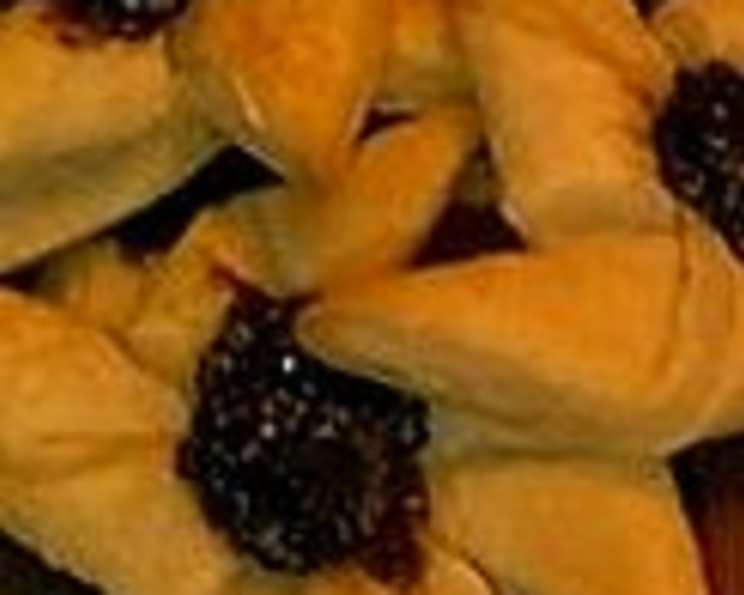
Finnish Tarts: A Taste of Nordic Holiday Magic
The scent of warm spices and sweet fruit baking is a universal language of comfort, and for me, it’s intrinsically tied to the festive spirit. I first encountered these delightful Finnish tarts at a bustling Christmas party in Helsinki, a world away from my usual kitchen. The host, a gracious woman named Elina, explained they were a cherished Christmas treat, a staple passed down through generations. Each bite was a revelation – a tender, buttery crust giving way to a burst of sweet, slightly tart plum. It was a taste that spoke of cozy evenings, twinkling lights, and the simple joy of sharing homemade goodness. I knew then that this was a recipe I had to bring back, to recreate that very same warmth and magic in my own home.
Recipe Overview
- Prep Time: 1 hour (including chilling)
- Cook Time: 30 minutes
- Total Time: 1 hour 30 minutes
- Servings: 15 tarts
- Yield: 15 tarts
- Dietary Type: Traditional
Ingredients
This recipe, while simple in its components, yields a remarkably complex and satisfying flavor. The key is the quality of the ingredients and the careful handling of the dough.
For the Dough:
- 200 grams butter, cold and cubed
- 250 grams all-purpose flour
- 100 milliliters cold water
- 1 teaspoon white vinegar
For the Filling and Finishing:
- 1 egg, lightly beaten
- 6 tablespoons plum marmalade
Equipment Needed
To bring these Finnish tarts to life, you’ll need a few essential kitchen tools:
- Mixing bowls (for dough and egg wash)
- Pastry blender or your fingertips (for cutting butter into flour)
- Measuring cups and spoons
- Rolling pin
- A round cookie cutter or a drinking glass (approximately 3-4 inches in diameter)
- Baking sheets
- Parchment paper (optional, for easier cleanup)
- Pastry brush
- Wire cooling rack
Instructions
Crafting these tarts is a rewarding process, much like tending a small garden of edible delights. Follow these steps carefully, and you’ll be rewarded with a batch of truly special treats.
- In a large mixing bowl, combine the 250 grams of all-purpose flour and the 200 grams of cold, cubed butter. Using a pastry blender, your fingertips, or a food processor, cut the butter into the flour until the mixture resembles coarse crumbs with some pea-sized pieces of butter remaining. This is crucial for a flaky crust.
- In a small separate bowl or jug, whisk together the 100 milliliters of cold water and the 1 teaspoon of white vinegar. The vinegar helps to tenderize the dough without adding flavor.
- Gradually add the cold water and vinegar mixture to the flour and butter mixture, stirring gently with a fork or your hands until the dough just comes together. Be careful not to overmix, as this can result in a tough crust.
- Turn the dough out onto a lightly floured surface and gently bring it together into a cohesive ball. Flatten it slightly into a disc, wrap it tightly in plastic wrap, and refrigerate for at least 1 hour. This chilling period is essential for the butter to firm up, which contributes to the flakiness of the baked crust.
- Preheat your oven to 470°F (240°C). Line two baking sheets with parchment paper if desired.
- Once the dough has chilled, remove it from the refrigerator. On a lightly floured surface, roll out the dough into a large circle, about 1/8 inch thick.
- Using a round cookie cutter or a drinking glass (approximately 3-4 inches in diameter), cut out as many circles as possible from the rolled-out dough. You should aim to get about 15 circles. Gently re-roll any scraps to cut out additional circles, but avoid overworking the dough.
- Take each dough circle and place about one teaspoon of plum marmalade in the center. Be mindful not to overfill, as the marmalade will spread slightly during baking.
- Carefully pinch the edges of the dough together to enclose the marmalade, forming a tart shape. You can create a simple sealed edge, or for a more decorative finish, you can create small pleats or folds. Ensure the edges are well-sealed to prevent the marmalade from leaking out.
- Place the formed tarts onto the prepared baking sheets, leaving a little space between each one.
- In a small bowl, lightly beat the egg. Using a pastry brush, shine the tarts by brushing the tops with the beaten egg. This will give them a beautiful golden-brown hue as they bake.
- Bake at 470°F (240°C) for 30 minutes, or until the tarts are golden brown and the crust is cooked through. Keep a close eye on them, as oven temperatures can vary.
Expert Tips & Tricks
Achieving that perfect balance of crisp crust and luscious filling is all about attention to detail. Here are a few pointers to elevate your Finnish tart game:
- Cold is Key for the Crust: Always use cold butter and cold water when making the dough. The cold fat creates steam pockets during baking, leading to that desirable flaky texture. If your kitchen is warm, chill your flour and butter in the freezer for 15-20 minutes before starting.
- Don’t Overwork the Dough: Overhandling the dough develops the gluten, resulting in a tough, chewy crust. Mix and knead just until the ingredients are combined.
- Marmalade Consistency: If your plum marmalade is particularly stiff, you can stir in a teaspoon of water to loosen it slightly. Conversely, if it’s very runny, you can gently simmer it for a few minutes to thicken it before using.
- Baking Temperature Watch: The high baking temperature is crucial for a quick, crisp crust. Keep an eye on your oven; if the tarts are browning too quickly, you can loosely tent them with foil.
- Cooling is Crucial: Allow the tarts to cool completely on a wire rack. This allows the filling to set properly and prevents the crust from becoming soggy.
Serving & Storage Suggestions
These Finnish tarts are a delight served slightly warm or at room temperature. They are perfect for a coffee break, as part of a dessert spread, or simply enjoyed with a cup of tea. Their portability makes them an excellent choice for picnics or potlucks.
For storage, allow the tarts to cool completely before storing them in an airtight container. They will keep well at room temperature for 2-3 days. If you live in a warm or humid climate, it’s best to store them in the refrigerator, where they will last for up to a week.
To reheat, you can gently warm them in a low oven (around 300°F/150°C) for a few minutes until they are just warmed through.
Nutritional Information
(Please note: Nutritional information is an estimate and can vary based on specific ingredients and portion sizes.)
| Nutrient | Amount per Serving | % Daily Value |
|---|---|---|
| Calories | 180.3 kcal | |
| Calories from Fat | 101 g | |
| Total Fat | 11.2 g | 17% |
| Saturated Fat | 6.9 g | 34% |
| Cholesterol | 42.6 mg | 14% |
| Sodium | 86 mg | 3% |
| Total Carbohydrate | 18.1 g | 6% |
| Dietary Fiber | 0.5 g | 2% |
| Sugars | 4.9 g | 19% |
| Protein | 2.3 g | 4% |
Variations & Substitutions
While the classic plum marmalade is traditional and utterly delicious, there’s room for creativity:
- Fruit Fillings: Experiment with other thick fruit preserves like apricot, cherry, or raspberry. Ensure the consistency is similar to the plum marmalade.
- Spice it Up: Add a pinch of cinnamon or cardamom to the marmalade for an extra layer of warmth.
- Nutty Addition: A small sprinkle of finely chopped almonds or walnuts on top of the marmalade before sealing the tart can add a delightful crunch.
- Gluten-Free Option: For a gluten-free version, you would need to experiment with a gluten-free flour blend for the crust. The butter, water, and vinegar ratios might need slight adjustments.
FAQs
Q: Why is vinegar added to the dough?
A: Vinegar helps to tenderize the dough, making the crust more delicate and flaky without imparting any sour flavor.
Q: Can I use fresh plums instead of marmalade?
A: While possible, it’s recommended to use a thick plum marmalade for consistent results. Fresh plums might release too much liquid, leading to a soggy tart. If you use fresh plums, they should be cooked down into a very thick compote.
Q: My tart crust seems tough. What went wrong?
A: The most common culprit for a tough crust is overmixing or overworking the dough. Handle it as little as possible.
Q: How do I ensure the marmalade doesn’t leak out?
A: Ensure you don’t overfill the tarts and that the edges are well-sealed. Gently pinching the dough together is key.
Q: Can these tarts be made ahead of time?
A: Yes, they can be made a day in advance and stored in an airtight container at room temperature.
Final Thoughts
There’s a certain quiet satisfaction in bringing a taste of another culture into your kitchen, and these Finnish Tarts are a perfect example. They embody the essence of Nordic baking: simple ingredients, meticulous technique, and a result that is both comforting and elegant. I encourage you to try this recipe, to experience the joy of creating these little pockets of fruity delight. Share them with loved ones, pair them with a strong coffee or a warm cup of spiced mulled wine, and let the subtle magic of these Finnish treasures fill your home. I’d love to hear about your baking adventures!