
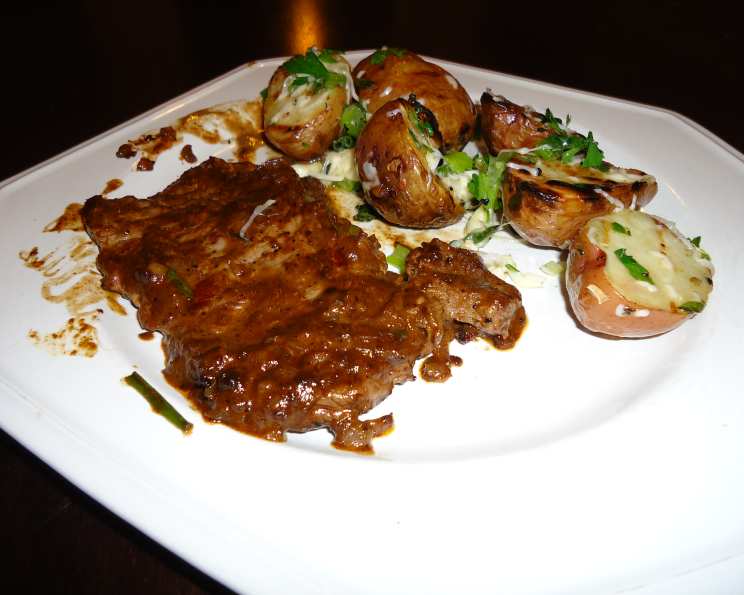
The Legendary Steak Diane of the 21 Club: A Timeless Classic
There are some dishes that transcend trends, becoming icons of an era, yet retaining their magic for generations. Steak Diane is precisely one of those culinary legends. My first encounter with this dish wasn’t at the hallowed halls of the 21 Club itself, but rather in the hushed reverence of a mentor’s kitchen, where the theatrical flair of its preparation was as captivating as the aroma. He described the 21 Club’s version with an almost religious fervor, painting a picture of a steak enveloped in a velvety, pan-sauced embrace, a symphony of savory and subtly sweet notes. It was a dish that promised indulgence, a culinary performance designed to impress, and I’ve been chasing that perfect bite ever since.
Recipe Overview
- Prep Time: 15 minutes
- Cook Time: 8 minutes
- Total Time: 23 minutes
- Servings: 2
- Yield: 2 steaks with sauce
- Dietary Type: Non-Vegetarian
Ingredients
For this classic preparation, quality is paramount. Opt for the best steak you can find, ideally from a reputable butcher.
- 16 ounces sirloin strip steaks or 16 ounces filet mignon
- Salt, to taste
- Fresh ground black pepper, to taste
- 2 tablespoons unsalted butter, divided
- 3 tablespoons finely minced shallots
- 6 tablespoons cognac (or 6 tablespoons other good brandy), divided
- 2 tablespoons dry white wine (or 2 tablespoons dry vermouth)
- 2 teaspoons Dijon mustard (preferably imported)
- 2 tablespoons A.1. Original Sauce (or 2 tablespoons Worcestershire sauce)
- ½ cup beef broth
- 2 tablespoons heavy cream
- 2 tablespoons finely snipped chives
Equipment Needed
- 12-inch heavy-bottomed skillet
- Plate for resting steak
- Wooden spoon
Instructions
The magic of Steak Diane lies in its meticulous, yet swift, preparation. The key is to have all your ingredients prepped and ready to go, as the cooking process is fast-paced and requires your full attention.
-
Prepare the Steak: Begin by trimming any excess outside fat from your chosen steaks. You’re aiming for a finished weight of about 12 ounces per steak if starting with 16 ounces. Once trimmed, cut each steak in half horizontally, yielding two thinner steaks. This ensures they cook quickly and evenly. Next, gently pound the steaks to an even ¼-inch thickness. This not only tenderizes the meat but also helps achieve that perfect quick sear. Season both sides generously with salt and freshly ground black pepper.
-
Sear the Steaks: Place your 12-inch skillet over high heat. You want it to be hot enough that a drop of water dances and evaporates immediately on the surface. Add 1 tablespoon of the unsalted butter to the hot skillet. As soon as the butter foams and then subsides, carefully add the seasoned steaks. Sear the steaks for precisely 1 minute on each side. This rapid cooking develops a beautiful crust while keeping the interior tender. Immediately remove the seared steaks to a clean plate to rest.
-
Build the Sauce Base: Reduce the heat under the skillet to low. Add the second tablespoon of butter to the pan. Once melted, add the finely minced shallots. Sauté the shallots gently for 1 minute, allowing them to soften and release their sweet aroma without browning.
-
Deglaze and Flavor: Increase the heat back to high. Carefully add 3 tablespoons of cognac to the skillet. If you’re feeling adventurous and the kitchen is well-ventilated, you can flambé the cognac by carefully igniting it with a long match or lighter (be mindful of safety precautions). Once the flames have died down, or if you choose not to flambé, add the dry white wine (or dry vermouth). Using a wooden spoon, scrape up any browned bits stuck to the bottom of the pan – this process, known as deglazing, is crucial for capturing all the delicious flavor.
-
Infuse the Sauce: Stir in the Dijon mustard and the A.1. Original Sauce (or Worcestershire sauce). Allow this mixture to cook for about 1 minute, or until the liquid has reduced to a syrupy consistency. Next, pour in the beef broth and continue to boil for approximately 1 minute, until the liquid has reduced to just a few tablespoons.
-
Enrich and Finish: Stir in the heavy cream and mix well to ensure it’s fully incorporated into the sauce. Boil for a few more seconds to thicken slightly. Now, it’s time for a final touch of flair. Add the remaining 3 tablespoons of cognac and, once again, ignite it (if you choose to flambé). Once the flames subside, stir in the finely snipped chives. Taste the sauce for seasoning and add freshly ground black pepper as needed. Adjust for salt if necessary.
-
Combine and Serve: Finally, add the reserved steaks and any accumulated juices from the plate back into the simmering sauce. Turn the steaks in the sauce a couple of times to coat them thoroughly as the sauce reduces a little more. To serve, place the steaks on individual plates. Spoon the luscious sauce generously over each steak.
Expert Tips & Tricks
- Steak Selection: While the recipe offers both sirloin strip and filet mignon, if you can splurge on filet, its inherent tenderness truly elevates this dish. Regardless of your choice, ensure it’s a good quality cut.
- Mise en Place is Non-Negotiable: This dish moves quickly. Have your shallots minced, your herbs snipped, your liquids measured, and your steaks prepped and seasoned before you even think about turning on the stove.
- Heat Control is Key: Mastering the heat is vital. The initial sear requires high heat, but the sauce-building stages benefit from lower, more controlled temperatures to prevent scorching and ensure proper reduction.
- Flambé Safely: If you choose to flambé, ensure you have a long reach, no loose clothing, and that your overhead fan is off. Have a lid nearby to quickly extinguish flames if needed. It adds a touch of theatre, but the flavor contribution is minimal compared to the overall sauce.
Serving & Storage Suggestions
Steak Diane is best served immediately to enjoy the steak at its perfect temperature and the sauce at its richest. Traditionally, it’s accompanied by creamy mashed potatoes or fluffy brown rice, both excellent for soaking up every last drop of that incredible sauce. A side of steamed asparagus or blanched green beans provides a welcome freshness.
Leftovers can be stored in an airtight container in the refrigerator for 1-2 days. The steak may lose some of its tenderness upon reheating. For best results, gently reheat the steak and sauce separately over low heat on the stovetop, or in a covered dish in a low oven (around 250°F/120°C) until warmed through. Avoid microwaving, as it can toughen the steak.
Nutritional Information
Please note that this is an estimated nutritional breakdown, as actual values can vary based on the specific ingredients and portion sizes used.
| Nutrient | Amount per Serving | % Daily Value |
|---|---|---|
| Calories | 184.6 kcal | – |
| Calories from Fat | 85 % | – |
| Total Fat | 17.4 g | 26 % |
| Saturated Fat | 10.8 g | 54 % |
| Cholesterol | 51.1 mg | 17 % |
| Sodium | 289.8 mg | 12 % |
| Total Carbohydrate | 3.7 g | 1 % |
| Dietary Fiber | 0.2 g | 0 % |
| Sugars | 0.3 g | 1 % |
| Protein | 1.8 g | 3 % |
Variations & Substitutions
While the classic is hard to beat, there’s always room for personalization.
- Mushroom Medley: For an extra layer of earthy flavor, sauté some sliced cremini mushrooms or shiitakes after the shallots and before adding the cognac.
- Brandy vs. Cognac: If cognac is unavailable or not to your preference, a good quality brandy will perform beautifully.
- Mustard Choice: While imported Dijon is recommended for its sharp bite, a good quality domestic Dijon can be substituted.
- Herb Swap: If chives aren’t on hand, finely chopped parsley or a touch of fresh thyme can offer a different herbal note.
FAQs
Q: Why are the steaks pounded thin?
A: Pounding the steaks thin ensures they cook quickly and evenly in the skillet, developing a beautiful sear without overcooking the interior.
Q: Can I make the sauce ahead of time?
A: While the sauce can be made a few hours in advance, it’s best enjoyed when the steak is cooked and combined just before serving for optimal texture and flavor.
Q: What if I don’t want to flambé?
A: Flambéing adds a touch of drama and helps burn off some of the alcohol’s harshness, but it’s entirely optional. The dish will still be delicious without it.
Q: What kind of skillet is best for this recipe?
A: A heavy-bottomed skillet, such as cast iron or stainless steel, is ideal as it retains heat well and promotes even searing.
Q: Is there a non-alcoholic substitute for cognac and wine?
A: For a non-alcoholic version, you could use a combination of non-alcoholic brandy, grape juice, and a splash of white grape juice or white wine vinegar to mimic the complexity.
Final Thoughts
Steak Diane is more than just a recipe; it’s an experience. It’s a testament to the power of simple, high-quality ingredients treated with respect and prepared with a touch of theatrical flair. Whether you’re a seasoned cook or embarking on your culinary journey, this iconic dish from the legendary 21 Club offers a rewarding challenge and an unforgettable taste. Gather your ingredients, embrace the sizzle, and savor every magnificent bite – you’ve earned it. Don’t forget that bread to sop up every last precious drop of the sauce; it’s an essential part of the experience.