
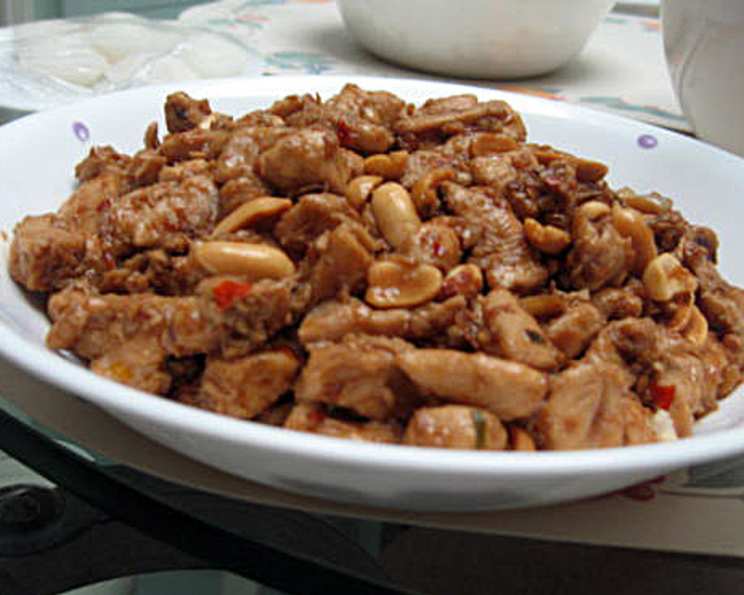
Kung Pao Chicken: A Symphony of Spice, Sweetness, and Savory Bliss
For me, Kung Pao Chicken isn’t just a dish; it’s a vibrant memory etched in the aroma of toasted peanuts and the tantalizing tingle of chili. I recall a bustling Chinatown market, the air thick with the scent of exotic spices, where I first witnessed this stir-fry come to life. The chef’s practiced hands moved with lightning speed, the wok a fiery cauldron transforming humble ingredients into a culinary masterpiece. That first bite – a perfect balance of tender chicken, crunchy peanuts, and a sauce that danced between savory and spicy – ignited a lifelong love affair with this classic Sichuan dish. It’s a flavor profile that truly awakens the senses.
Recipe Overview
Here’s a quick glance at what you’ll need to bring this flavorful dish to your table:
- Prep Time: 15 minutes
- Cook Time: 20 minutes
- Total Time: 35 minutes
- Servings: 4
- Yield: Serves 4
- Dietary Type: Classic Asian Stir-fry
Ingredients
The magic of Kung Pao Chicken lies in its harmonious blend of fresh ingredients. Let’s gather what we need:
- 1 1/4 lbs boneless, skinless chicken breasts, cut into 1/2-inch pieces
- 1 egg white
- 4 teaspoons cornstarch, divided
- 1 teaspoon Chinese chili paste with garlic
- 2 tablespoons soy sauce
- 1 teaspoon dry sherry
- 1 teaspoon red wine vinegar
- 1/4 cup chicken broth
- 1 teaspoon oriental sesame oil
- 3 tablespoons vegetable oil, divided
- 1/2 cup unsalted peanuts
- 4 green onions, chopped into 1/2-inch pieces
- 2 garlic cloves, minced
- 1/2 – 1 teaspoon crushed red pepper flakes
Equipment Needed
You won’t need an extensive arsenal for this culinary adventure, just a few key players:
- Wok or Large Frying Pan: Essential for achieving that perfect stir-fry char and even cooking.
- Small Bowls: For marinating and mixing your sauces.
- Slotted Spoon: Handy for removing ingredients from the hot oil.
- Paper Towels: For draining excess oil from your cooked ingredients.
Instructions
Follow these steps to create your own authentic Kung Pao Chicken:
- Prepare the Chicken: In a small bowl, combine the chicken pieces with the egg white and 3 teaspoons of the cornstarch. Toss everything together thoroughly until the chicken is evenly coated. This step ensures a tender, slightly crisp exterior when cooked.
- Mix the Sauce: In another small bowl, whisk together the Chinese chili paste with garlic, soy sauce, dry sherry, red wine vinegar, chicken broth, the remaining 1 teaspoon of cornstarch, and the oriental sesame oil. This flavorful sauce is the heart of the dish, so ensure it’s well blended. Set this sauce aside.
- Sear the Chicken: Heat 2 tablespoons of vegetable oil in your wok or large frying pan over medium-high heat. Once the oil is shimmering, carefully add the marinated chicken in a single layer. Stir-fry until the chicken pieces separate and turn white, which should take approximately 4 minutes. Using a slotted spoon, remove the chicken from the wok and drain it on paper towels. This partial cooking ensures the chicken is tender and not overcooked later.
- Toast the Peanuts: If needed, add a bit more oil to the wok (about 1 tablespoon) and heat over medium heat. Add the unsalted peanuts and fry them, stirring occasionally, until they turn a beautiful golden brown. This process takes about 3 minutes. Be careful not to burn them, as they can go from perfectly toasted to bitter quickly. Remove the peanuts from the wok and drain them alongside the chicken.
- Stir-fry Aromatics and Chicken: Remove all but 2 tablespoons of oil from the pan. Increase the heat to medium-high. Add the chopped green onions, minced garlic, and crushed red pepper flakes to the hot oil. Stir-fry these aromatics for about 30 seconds, just until fragrant. Be mindful not to burn the garlic. Now, return the partially cooked chicken to the wok. Stir-fry over high heat for 1 minute, allowing it to finish cooking and absorb some of the aromatic flavors.
- Finish with Sauce and Peanuts: Pour the prepared sauce over the chicken and aromatics in the wok. Stir-fry continuously until the sauce thickens and coats everything beautifully, which should take about 1 minute. Finally, add the toasted peanuts back into the wok. Stir to combine, ensuring the peanuts are evenly distributed throughout the dish.
Expert Tips & Tricks
From my years behind the pass, a few simple tricks can elevate your Kung Pao Chicken from good to truly unforgettable.
- Prep is Paramount: The beauty of stir-frying is its speed. Ensure all your ingredients are chopped, measured, and within arm’s reach before you even think about turning on the heat. This way, you can move seamlessly through the steps without pause.
- Wok Hei is Your Friend: If you’re fortunate enough to have a powerful burner and a proper wok, don’t shy away from high heat. That smoky “wok hei” – the breath of the wok – imparts an inimitable depth of flavor. However, if you’re using a standard stovetop, medium-high to high heat is your best bet.
- Don’t Crowd the Pan: When searing the chicken, resist the urge to overcrowd the wok. If you add too much at once, the chicken will steam rather than fry, leading to a less desirable texture. Cook in batches if necessary.
- Spice Level Control: The crushed red pepper flakes are your primary dial for heat. For a milder dish, start with 1/2 teaspoon and taste before adding more. For a fiery kick, don’t be afraid to use the full teaspoon or even a bit more if you dare! The Chinese chili paste with garlic also contributes to the heat.
Serving & Storage Suggestions
Kung Pao Chicken is best served immediately, piping hot, to savor its complex textures and vibrant flavors. It’s traditionally served over fluffy steamed white rice, which acts as a perfect canvas to soak up the delicious sauce. A side of blanched or steamed broccoli or bok choy also makes for a delightful and nutritious accompaniment.
If you happen to have leftovers (which is rare in my household!), store them in an airtight container in the refrigerator for up to 2 to 3 days. When you’re ready to reheat, a quick stir-fry in a wok or skillet over medium heat will revive its crispness and flavor. You can also gently reheat it in the microwave, though it might lose a bit of its texture. Avoid leaving it at room temperature for more than two hours.
Nutritional Information
Here’s an estimated breakdown of the nutritional content for this Kung Pao Chicken recipe:
| Nutrient | Amount per Serving | % Daily Value |
|---|---|---|
| Calories | 403.4 kcal | |
| Calories from Fat | ||
| Total Fat | 25.3 g | 38% |
| Saturated Fat | 4 g | 19% |
| Cholesterol | 90.8 mg | 30% |
| Sodium | 732.8 mg | 30% |
| Total Carbohydrate | 8.8 g | 2% |
| Dietary Fiber | 1.5 g | 6% |
| Sugars | 0.7 g | 2% |
| Protein | 35.5 g | 70% |
Nutritional values are estimates and can vary based on specific ingredients and portion sizes.
Variations & Substitutions
While this recipe is a classic for a reason, feel free to experiment and make it your own!
- Protein Power: While chicken is traditional, you could easily substitute pork tenderloin or shrimp for a different experience. Adjust cooking times accordingly.
- Nutty Alternatives: If you’re not a fan of peanuts, cashews or almonds can offer a delightful crunch.
- Vegetable Boost: Feel free to add a colorful array of vegetables like bell peppers (any color), snow peas, or water chestnuts during the final stir-fry stage for added texture and nutrients.
- Spice Adjustment: If Chinese chili paste with garlic is unavailable, a combination of sriracha and minced garlic can be a good substitute, though the flavor profile will be slightly different.
FAQs
Q: What makes Kung Pao Chicken so flavorful?
A: The distinct flavor comes from the balance of savory soy sauce, tangy vinegar, aromatic garlic and ginger, the heat from chili paste and flakes, and the rich umami from the stir-fried chicken and toasted peanuts.
Q: Can I make this dish gluten-free?
A: Yes, you can easily make this gluten-free by using a gluten-free soy sauce or tamari, and ensuring your chili paste is also gluten-free.
Q: How do I prevent the chicken from becoming tough?
A: Marinating the chicken with egg white and cornstarch helps create a tender texture. Also, avoid overcooking the chicken; it should be cooked through but still juicy.
Q: What kind of chili paste is best for this recipe?
A: The traditional choice is a Chinese chili paste with garlic, often found in Asian markets. It offers a unique fermented chili flavor with garlic notes.
Q: Is it necessary to toast the peanuts separately?
A: Toasting the peanuts separately allows you to control their crispness and flavor. It prevents them from becoming soggy in the stir-fry and brings out their best nutty aroma.
Final Thoughts
Kung Pao Chicken is a testament to the beauty of bold flavors coming together in perfect harmony. It’s a dish that’s both comforting and exciting, a quick weeknight meal that still feels like a special occasion. The interplay of tender chicken, the satisfying crunch of peanuts, and that unforgettable sauce is truly a culinary delight. I encourage you to gather your ingredients, embrace the heat, and let the vibrant flavors of this classic dish transport your taste buds. Don’t be shy to share your creations and experiences – I’d love to hear how your Kung Pao Chicken turns out! Perhaps a crisp, off-dry Riesling or a light lager would be a delightful beverage pairing.