
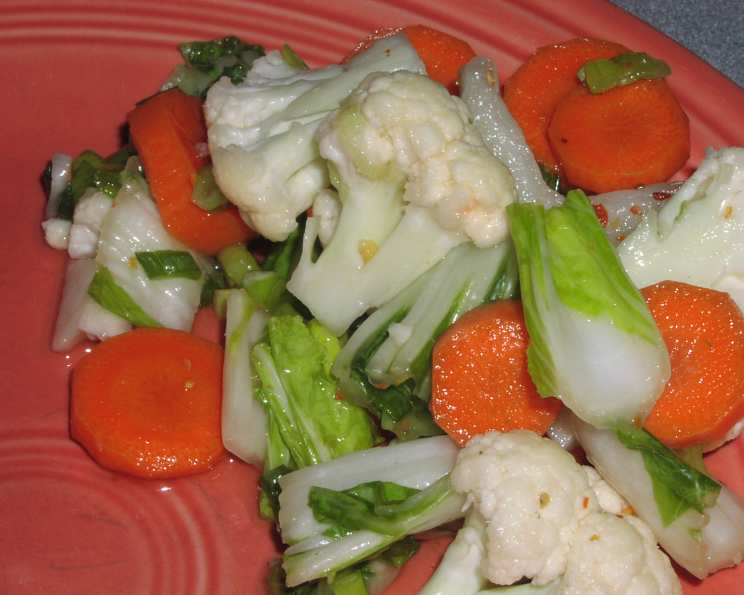
Kimchi: The Soulful, Spicy Heart of Korean Cuisine
There’s a certain magic that happens when humble vegetables are transformed by time, salt, and a fiery blend of spices. For me, that magic is encapsulated in kimchi. I remember the first time I truly tasted homemade kimchi, not just a bite from a store-bought jar. It was at my Korean friend’s grandmother’s house, a tiny kitchen filled with the comforting aroma of fermentation. She offered me a small bowl of napa cabbage kimchi, its vibrant red hue hinting at the complex flavors within. The initial tang, followed by a wave of heat and a subtle sweetness, was an awakening. It wasn’t just spicy; it was alive, a symphony of umami that lingered long after the last bite. That experience ignited a lifelong fascination with this quintessential Korean staple, a dish that is as much a culinary cornerstone as it is a cherished family tradition.
Recipe Overview
- Prep Time: 20 minutes
- Cook Time: 0 minutes (active preparation)
- Total Time: At least 48 hours (fermentation)
- Servings: 3-4
- Yield: Approximately 1 large jar or container
- Dietary Type: Vegan (if using vegan fish sauce or no fish sauce), Gluten-Free
Ingredients
This recipe focuses on a quick, accessible version of kimchi, perfect for home cooks looking to capture that authentic flavor without a multi-day intensive process. The key is in the quality of your ingredients and the patience during fermentation.
- 1 cup carrot, sliced into 1/4-inch thick rounds
- 1 cup Chinese cabbage (often referred to as Napa cabbage), sliced into 1-inch pieces
- 1 cup cauliflower, cut into bite-sized flowerets
- 2 teaspoons salt (for initial salting of vegetables)
- 3 green onions, finely chopped (including the green tops)
- 2 teaspoons salt (for the paste)
- 1/2 teaspoon garlic salt
- 1/4 teaspoon crushed red pepper flakes (adjust to your desired spice level)
Note on Chinese Cabbage: If you cannot find Chinese cabbage (Napa cabbage), a good substitute would be bok choy, though the texture will be slightly different. Ensure you slice it into similar 1-inch pieces.
Equipment Needed
- A large mixing bowl for salting and mixing the vegetables.
- A colander for rinsing the salted vegetables.
- A clean, airtight jar or container for fermentation. Glass jars are ideal for observing the fermentation process.
- Measuring cups and spoons.
Instructions
The art of kimchi lies in its fermentation, a process that transforms simple vegetables into a complex, flavorful, and probiotic-rich food. This recipe follows a straightforward approach to get you started.
- In your large mixing bowl, combine the sliced carrot, Chinese cabbage, and cauliflower flowerets. Sprinkle them with the initial 2 teaspoons of salt. Toss everything gently but thoroughly, ensuring each piece of vegetable is coated with salt.
- Allow the salted vegetables to stand for 20 minutes. This crucial step draws out excess moisture from the vegetables, making them more pliable and ready to absorb the flavors of the kimchi paste.
- After 20 minutes, rinse the vegetables thoroughly under cold water. Drain them very well in a colander. It’s important to remove as much excess water as possible to prevent the kimchi from becoming too watery.
- Return the well-drained vegetables to the mixing bowl. Add the finely chopped green onions, the remaining 2 teaspoons of salt, the garlic salt, and the crushed red pepper flakes.
- Toss all the ingredients together until the vegetables are evenly coated with the spice mixture. Ensure all the nooks and crannies of the cauliflower are reached by the paste.
- Transfer the mixture to your clean, airtight jar or container. Press down firmly to remove any air pockets. The vegetables should be submerged in their own juices as much as possible.
- Cover the container tightly.
- Refrigerate the kimchi for at least 48 hours before consuming. This allows the fermentation process to begin and the flavors to meld beautifully.
- Your kimchi can be stored in the refrigerator for up to 4 days for optimal flavor and texture.
Expert Tips & Tricks
- Salt is Key: The initial salting is not just for seasoning; it’s a vital step in drawing out moisture and creating the right texture for the vegetables. Don’t skip it!
- Taste as You Go: While the recipe provides measurements for spices, feel free to adjust the crushed red pepper flakes to suit your heat preference. You can always add more, but you can’t take it away.
- Proper Sealing: Ensure your container is airtight. This is crucial for safe fermentation and to prevent unwanted odors from spreading in your refrigerator.
- Observe the Bubbles: As your kimchi ferments in the refrigerator, you might notice small bubbles forming. This is a sign of active fermentation, which is exactly what you want!
Serving & Storage Suggestions
Kimchi is an incredibly versatile condiment. It’s not just a side dish; it’s a flavor enhancer that can elevate countless meals.
Serve your homemade kimchi chilled, directly from the refrigerator. It’s a classic accompaniment to rice dishes, grilled meats (especially Korean BBQ), stews, and noodles. Don’t be afraid to add a spoonful to sandwiches, wraps, or even scrambled eggs for a spicy kick.
Storage: Kimchi will keep well in an airtight container in the refrigerator for up to 4 days. As it ages, the flavors will become more complex and sour, which can be desirable for certain dishes like kimchi fried rice or kimchi jjigae (kimchi stew). It’s best consumed within this 4-day window for the freshest, most vibrant flavor profile.
Nutritional Information
| Nutrient | Amount per Serving | % Daily Value |
|---|---|---|
| Calories | 32.4 kcal | |
| Calories from Fat | ||
| Total Fat | 0.2 g | 0% |
| Saturated Fat | 0 g | 0% |
| Cholesterol | 0 mg | 0% |
| Sodium | 3140.7 mg | 130% |
| Total Carbohydrate | 7.2 g | 2% |
| Dietary Fiber | 2.6 g | 10% |
| Sugars | 3.2 g | 12% |
| Protein | 1.6 g | 3% |
Nutritional values are estimates and can vary based on specific ingredient brands and quantities.
Variations & Substitutions
While this recipe provides a wonderful foundation, the world of kimchi is vast and invites experimentation.
- Beyond the Basics: Feel free to add other vegetables like radish (daikon), cucumber, or even broccoli to your mix. Just ensure they are cut into bite-sized pieces and can withstand the salting and fermentation process.
- Spice Level Control: For a milder kimchi, reduce or omit the crushed red pepper flakes. For an even spicier version, increase them or add a pinch of gochugaru (Korean chili powder).
- Umami Boost: For a more traditional kimchi flavor profile, you can incorporate a small amount of fish sauce or fermented shrimp paste. For a vegan version, ensure your fish sauce is plant-based or omit it entirely.
FAQs
Q: How do I know when my kimchi is ready to eat?
A: After at least 48 hours of refrigeration, your kimchi will have developed a tangy, slightly sour flavor. You can taste a small piece; if the flavor is to your liking, it’s ready.
Q: My kimchi tastes too salty, what went wrong?
A: Ensure you rinsed the salted vegetables thoroughly to remove excess salt. Also, make sure the vegetables were well-drained after rinsing.
Q: Can I leave the kimchi at room temperature to ferment?
A: While some traditional methods involve room temperature fermentation, this recipe is designed for refrigerated fermentation for simplicity and safety. Refrigeration slows down the fermentation, allowing for a more controlled process and extended shelf life.
Q: How long will the kimchi last?
A: Stored in an airtight container in the refrigerator, this kimchi is best enjoyed within 4 days for optimal flavor and texture.
Q: Can I use a different type of salt?
A: It’s best to use non-iodized salt, such as sea salt or kosher salt, for pickling and fermentation. Iodized salt can sometimes interfere with the fermentation process.
Final Thoughts
Crafting your own kimchi is a rewarding culinary journey. It’s a process that connects you to centuries of Korean food tradition, transforming simple ingredients into something profoundly flavorful and beneficial. The vibrant colors, the pungent aroma, and the explosion of taste in every bite are a testament to the power of fermentation. So, gather your vegetables, embrace the chill of the refrigerator, and let the magic happen. You’ll soon discover why kimchi is not just a dish, but a way of life for so many. Enjoy this spicy, tangy delight!