
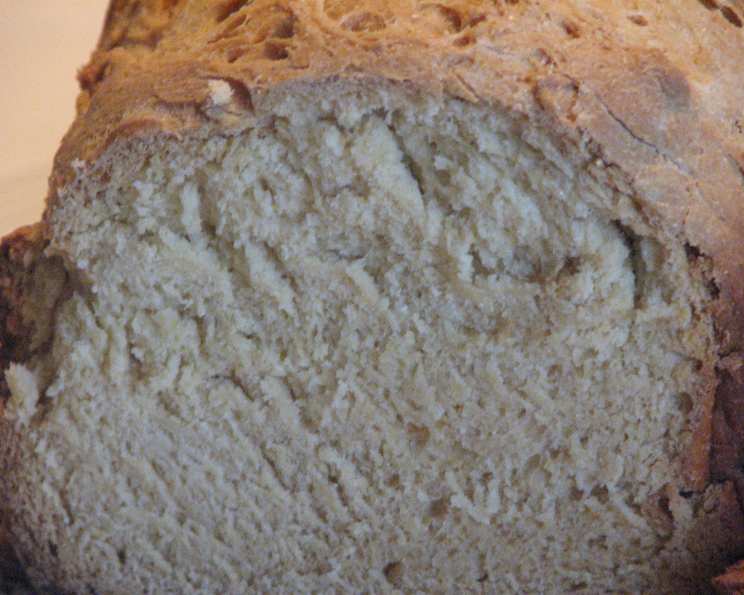
Golden Corn Rolls: A Taste of Comfort
There’s something uniquely comforting about a warm, slightly sweet cornmeal roll, fresh from the oven. For me, these rolls evoke hazy summer afternoons, the scent of baking mingling with the hum of cicadas, and the simple joy of sharing a meal with loved ones. I remember my grandmother, a woman who could coax magic from the most humble ingredients, meticulously sifting flour and measuring cornmeal for batches of these very rolls. They were a staple, a perfect counterpoint to her hearty stews and roasted meats, each bite a testament to her love and culinary skill. The subtle sweetness, the tender crumb, and that delightful hint of corn – it’s a flavor profile that instantly transports me back to her warm kitchen, a feeling I cherish and strive to recreate with every batch.
Recipe Overview
- Prep Time: 2 hours 20 minutes (includes rising time)
- Cook Time: 17 to 20 minutes
- Total Time: 2 hours 37 minutes to 2 hours 40 minutes
- Servings: 18 rolls
- Yield: 18 rolls
- Dietary Type: Vegetarian
Ingredients
Here’s what you’ll need to create these delightful rolls:
- 1 (1/4 ounce) envelope active dry yeast
- 1/4 cup lukewarm water (about 105-115°F or 40-46°C)
- 1/4 cup sugar, plus 1 teaspoon sugar
- 1/4 cup margarine, melted and cooled
- 1 cup buttermilk (or 1 cup milk)
- 1 egg
- 1 teaspoon salt
- 3/4 cup cornmeal, plus 2 tablespoons cornmeal
- 3 cups flour
Equipment Needed
- Large bowl
- Electric mixer with a dough hook (optional, but recommended)
- Food processor (optional)
- Measuring cups and spoons
- Lightly floured board or surface for kneading
- Food storage bag (1-gallon size)
- Twist tie
- Large, lightly greased bowl for rising
- Rolling pin
- 1/2-inch thick template or ruler (optional, for consistency)
- Round cutter (approximately 3 inches in diameter)
- Baking sheets
- Oven
Instructions
Follow these steps carefully to achieve perfectly textured and flavorful corn rolls:
- In a large bowl, or in the bowl of an electric mixer fitted with a dough hook, or in a food processor, combine the active dry yeast, lukewarm water, and 1 teaspoon of the sugar. Let this mixture stand until bubbly, which should take about 5 minutes. This step “proofs” the yeast, ensuring it’s active and ready to work its magic.
- To the bubbly yeast mixture, stir in the remaining 1/4 cup of sugar, the melted and cooled margarine, the buttermilk (or milk), the egg, the salt, and 3/4 cup of the cornmeal. Blend this mixture well until everything is thoroughly incorporated.
- Begin adding the flour. Stir in enough flour to make a soft dough. It’s best to start with about 2 cups of the flour and add more gradually as needed. The dough should be soft but not overly sticky.
- Now, it’s time to knead the dough. If you’re using your hands, turn the dough out onto a lightly floured board and knead until it is smooth and elastic. This typically takes about 7 to 10 minutes by hand. If you’re using an electric mixer with a dough hook, knead for about 5 minutes. If you’re using a food processor, knead for approximately 40 seconds. Throughout the kneading process, add more flour as needed to keep the dough from sticking to your hands or the equipment. The goal is a supple, pliable dough.
- At this point, the dough can be stored for later use. To do so, place the kneaded dough into a 1-gallon food storage bag. Push out all of the air from the bag before securing it with a twist tie. Make sure to leave some room at the end of the bag for the dough to expand. Refrigerate the dough for up to 3 days.
- If you’ve refrigerated the dough, transfer it to a large, lightly greased bowl. Turn the dough to coat it with the grease on all sides. Allow the dough to rise in a warm, draft-free place until it has doubled in bulk. This usually takes about 1 hour. If you are baking immediately, proceed to step 8 after kneading. If you’ve stored the dough, allow it to sit at room temperature for 2 to 2 1/2 hours after taking it out of the refrigerator, then proceed to step 8.
- Once the dough has risen and doubled in bulk (either from immediate rise or after tempering from refrigeration), punch the dough down. This releases the accumulated gases and prepares it for shaping.
- Roll the dough out to 1/2 inch thick on a lightly floured surface. Using a round cutter that is approximately 3 inches in diameter, cut out eighteen 3-inch rounds. Arrange these rounds set 2 inches apart on lightly greased baking sheets.
- Cover the cut rolls with dry towels and let them rise again until they are almost doubled in bulk. This second rise typically takes 35 to 45 minutes.
- Meanwhile, preheat your oven to 375°F (190°C).
- Just before baking, sprinkle the tops of the rolls lightly with the remaining 2 tablespoons of cornmeal. This adds a lovely texture and visual appeal.
- Bake the rolls until they are golden brown. This will take approximately 17 to 20 minutes.
Expert Tips & Tricks
- Yeast Activation: Always use lukewarm water for proofing yeast. Water that is too hot can kill the yeast, while water that is too cold will not activate it effectively. A good indicator is when it feels comfortably warm to the touch, not hot.
- Dough Consistency: The amount of flour needed can vary depending on humidity and the type of flour used. Pay attention to the dough’s texture rather than strictly adhering to the flour measurement. It should be soft and slightly tacky, but manageable.
- Make-Ahead Magic: The refrigeration step (step 5) is a game-changer for busy schedules. The slow, cold fermentation develops a wonderful flavor in the dough. Ensure the bag is well-sealed to prevent the dough from drying out. When ready to bake, allow ample time for the dough to come to room temperature and rise.
- Consistent Size: For uniform baking and presentation, using a 3-inch round cutter is ideal. If you don’t have one, you can use a glass or even a clean tin can with a 3-inch diameter rim.
- Second Rise: Don’t skip the second rise. It’s crucial for light and airy rolls. You’ll see them puff up nicely, making them incredibly tender.
Serving & Storage Suggestions
These golden corn rolls are best served warm, straight from the oven. They are a fantastic accompaniment to a variety of dishes, from savory stews and chili to barbecued meats and simple fried chicken. You can also serve them with a dollop of butter and honey for a delightful breakfast or snack.
For storage, allow the rolls to cool completely on a wire rack. Once cooled, store them in an airtight container or a zip-top bag at room temperature for up to 2 days. For longer storage, they can be frozen for up to 1 month. To reheat, simply warm them in a 350°F (175°C) oven for about 5-10 minutes, or until heated through.
Nutritional Information
Here is an approximate nutritional breakdown for these yeast corn rolls:
| Nutrient | Amount per Serving | % Daily Value |
|---|---|---|
| Calories | 130.9 kcal | |
| Total Fat | 2.1 g | 3% |
| Saturated Fat | 0.5 g | 2% |
| Cholesterol | 10.9 mg | 3% |
| Sodium | 165.1 mg | 6% |
| Total Carbohydrate | 24.3 g | 8% |
| Dietary Fiber | 1.1 g | 4% |
| Sugars | 3.8 g | 15% |
| Protein | 3.6 g | 7% |
Note: Nutritional values are estimates and can vary based on specific ingredients and preparation methods.
Variations & Substitutions
- Buttermilk Alternative: If you don’t have buttermilk on hand, you can easily make a substitute. For 1 cup of buttermilk, combine 1 cup of milk with 1 tablespoon of white vinegar or lemon juice. Let it sit for 5-10 minutes until it curdles slightly.
- Whole Wheat Flour: For a slightly heartier roll, you can substitute up to half a cup of the all-purpose flour with whole wheat flour.
- Herbs and Spices: Add a teaspoon of dried herbs like rosemary or thyme to the dough for an extra layer of flavor. A pinch of cayenne pepper can also add a subtle kick.
- Sweetness Adjustment: If you prefer a less sweet roll, you can slightly reduce the amount of sugar. However, remember that sugar plays a role in yeast activation and browning.
FAQs
Q: Why is my yeast not getting bubbly when I add the water and sugar?
A: This usually means your yeast is old or the water was too hot or too cold. Ensure your yeast is fresh and that the water is lukewarm (around 105-115°F or 40-46°C).
Q: My dough is too sticky, what should I do?
A: Add more flour, a tablespoon at a time, while kneading until the dough is no longer excessively sticky but still soft. Be careful not to add too much flour, as this can result in dry, tough rolls.
Q: Can I use milk instead of buttermilk?
A: Yes, you can substitute regular milk for buttermilk. The acidity in buttermilk contributes to tenderness and a slight tang, but milk will still produce a good result.
Q: How do I know when the rolls are done baking?
A: The rolls should be golden brown on top and the bottoms should sound hollow when tapped. An instant-read thermometer inserted into the center of a roll should register around 200°F (93°C).
Q: Can I make these rolls gluten-free?
A: This specific recipe relies on gluten for its structure. Creating a successful gluten-free version would require significant recipe adjustments and testing with gluten-free flour blends.
These Yeast Corn Rolls are more than just a side dish; they are an invitation to slow down, savor the process, and enjoy the simple pleasure of homemade bread. Whether you’re a seasoned baker or just starting out, I encourage you to give this recipe a try. They pair wonderfully with a hearty bowl of soup or a plate of roasted vegetables. I’d love to hear about your baking adventures with these golden delights!