
The KitchenAid Pasta Attachment: Unlocking the Magic of Fresh Fettuccine
There’s a certain primal satisfaction that comes from transforming simple ingredients like flour, eggs, and a pinch of salt into something as elegant and delicious as fresh pasta. I remember my first attempt at making fettuccine from scratch, before the days of my trusty KitchenAid stand mixer and its magical pasta attachments. It involved a lot of dusting flour across the counter, a sturdy rolling pin, and a healthy dose of optimism. While the results were charmingly rustic, they lacked the silken texture and perfect bite that true fettuccine deserves. Then, I discovered the KitchenAid pasta roller and cutter – a revelation that brought restaurant-quality pasta within reach of my home kitchen, making this creamy, shallot-garlic, bacon-infused Alfredo fettuccine a regular, cherished feature on my dinner table.
Recipe Overview
- Prep Time: 20 minutes (plus 20 minutes resting time)
- Cook Time: 30 minutes (for sauce and pasta)
- Total Time: 1 hour 10 minutes
- Servings: 6
- Yield: Approximately 1 lb of fresh fettuccine
- Dietary Type: Vegetarian-adaptable (omit bacon, use plant-based bacon fat)
Ingredients
For the Fettuccine Dough:
- 415 ml all-purpose flour
- 1 ml salt (approximately 1/4 teaspoon)
- 2 large eggs
- 1 tablespoon water
For the Creamy Shallot-Garlic Bacon Alfredo Sauce:
- 1 teaspoon bacon fat (or olive oil for a vegetarian version)
- 1 garlic clove, thinly sliced
- 1/2 minced shallot
- 1/4 cup butter
- 250 ml heavy whipping cream
- 1 pinch salt (for the sauce, adjust to taste)
- 1 ml freshly ground black pepper (approximately 1/4 teaspoon)
- 1 pinch garlic powder
- 1/4 cup freshly grated Parmesan cheese, plus more for serving
For Boiling the Pasta:
- 6 liters boiling salted water
Equipment Needed
- KitchenAid Stand Mixer with flat beater and dough hook attachments
- KitchenAid Pasta Roller attachment
- KitchenAid Fettuccine Cutter attachment
- Clean work surface or large cutting board
- Small saucepan
- Large pot for boiling pasta
- Slotted spoon or pasta strainer
- Measuring cups and spoons
- Knife and cutting board for shallot and garlic
Instructions
- Prepare the Pasta Dough: In your KitchenAid stand mixer bowl, combine the 415 ml of all-purpose flour, 2 large eggs, 1 ml of salt, and 1 tablespoon of water.
- Initial Mixing: Attach the flat beater to your stand mixer. Using setting 2, mix the ingredients for 30 seconds. The mixture should appear crumbly at this stage.
- Kneading with the Dough Hook: Replace the flat beater with the dough hook attachment. Knead the dough for 2 minutes on setting 2. If the dough still seems too dry and isn’t coming together, add 1 tablespoon of water at a time, kneading for about 30 seconds after each addition, until you achieve a good, cohesive consistency.
- Resting the Dough: Empty the dough onto a clean, lightly floured work surface. Hand knead it for a minute or two until it is fully combined and smooth. Wrap the dough in plastic wrap and let it rest for 20 minutes at room temperature. This resting period allows the gluten to relax, making the dough easier to roll.
- Setting Up the Pasta Roller: While the dough rests, set up your KitchenAid stand mixer with the pasta roller attachment. Ensure the roller is set to its widest setting (usually marked as ‘1’).
- First Pass Through the Roller: Cut the rested dough into four equal quarters. Take one quarter of the dough and flatten it by hand into a rough rectangle that will fit into the pasta roller.
- Laminating the Dough: With the mixer on speed 2 and the roller on its widest setting, carefully feed the flattened dough piece into the roller. Catch the dough sheet on the other side as it emerges. Fold the dough sheet in half or in thirds, and feed it through the widest setting again. This process is essentially an initial kneading of the dough through the roller. Repeat this folding and rolling process until the dough is as wide as the roller.
- Thinning the Dough: Once the dough has been rolled to its widest setting multiple times and is as wide as the roller, continue to feed it through the roller, adjusting the knob to a tighter setting with each pass. Continue this process until you reach setting ‘3’.
- Cutting the Fettuccine: Once you have a smooth, uniformly thin sheet of pasta at setting ‘3’, switch from the pasta roller attachment to the fettuccine cutter attachment.
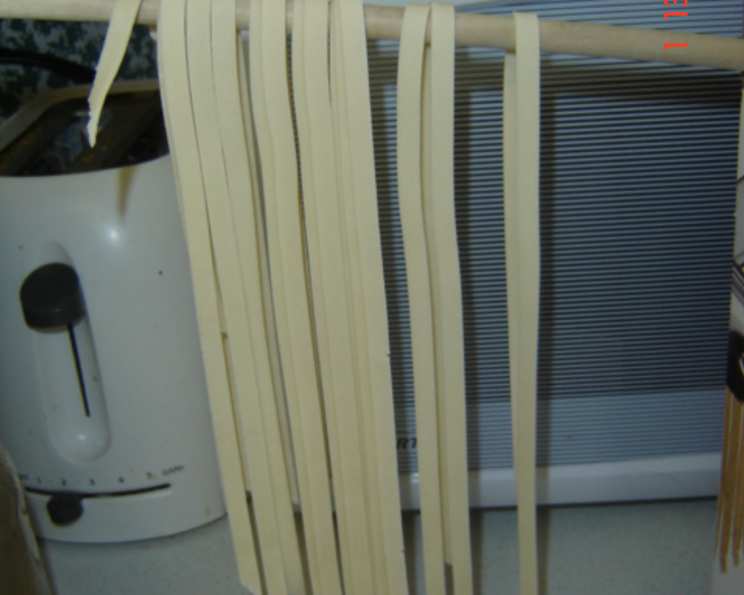
- Cutting the Noodles: Feed the pasta sheet through the fettuccine cutter. The attachment will automatically cut the pasta into perfect fettuccine noodles. You can either hang the fresh fettuccine on a pasta drying rack or cook it immediately.
- Cooking the Fettuccine: Bring 6 liters of water to a rolling boil in a large pot. Add a generous amount of salt to the boiling water. Carefully add the fresh fettuccine to the boiling water. Cook for approximately 3 to 5 minutes. The pasta is typically done when it floats to the surface. It’s always best to taste a strand to ensure it has reached your desired tenderness – a perfect bite should have a slight chew, not be mushy.
- Preparing the Alfredo Sauce: While the pasta cooks or just before, prepare the sauce. In a small saucepan, heat the 1 teaspoon of bacon fat (or olive oil) over medium heat. Add the thinly sliced garlic clove and the 1/2 minced shallot. Sauté until they are soft and fragrant, about 2-3 minutes. Be careful not to burn the garlic.
- Building the Sauce: Add the 1/4 cup of butter to the saucepan and allow it to melt. Pour in the 250 ml of heavy whipping cream. Season with a pinch of salt, 1 ml of freshly ground black pepper, and 1 pinch of garlic powder. Heat the mixture gently over medium heat, stirring occasionally, until it begins to simmer and slightly thicken. Do not let it boil vigorously.
- Finishing the Sauce: Stir in the 1/4 cup of freshly grated Parmesan cheese. Continue to stir until the cheese is melted and the sauce is smooth and creamy. Taste and adjust seasoning if necessary.
- Combining Pasta and Sauce: Once the fettuccine is cooked and has floated to the surface, use a slotted spoon or pasta strainer to transfer the pasta directly into the saucepan with the Alfredo sauce.
- Tossing and Serving: Toss the fresh fettuccine gently in the sauce until it is well coated. Serve immediately, garnished with additional fresh Parmesan cheese and your favorite fresh herbs if desired.
Expert Tips & Tricks
- Flour Matters: While all-purpose flour works wonderfully, for an even more traditional and refined texture, consider using Italian “00” flour. It’s finely milled and results in a silkier pasta dough.
- Dough Consistency is Key: Don’t be afraid to adjust the liquid content slightly. Humidity can play a role. If your dough is too stiff, add a tiny bit more water. If it’s too sticky, add a whisper more flour during the initial mixing or hand kneading. The goal is a dough that is firm but pliable.
- The “Kneading” of the Roller: The repeated passes through the widest setting of the pasta roller are crucial. They develop the gluten structure without the vigorous kneading of traditional hand-made pasta, resulting in a tender yet resilient noodle.
- Don’t Overcook Fresh Pasta: Fresh pasta cooks incredibly quickly. Keep a close eye on it and taste a strand as soon as it floats. Overcooked fresh pasta can become gummy.
- Sauce Consistency: If your Alfredo sauce seems a little too thick after adding the Parmesan, you can loosen it with a tablespoon or two of the starchy pasta cooking water.
- Bacon Fat Infusion: For an extra layer of flavor, cook your bacon first, reserve the rendered fat, and then use it to sauté the shallots and garlic. Crumble some of the cooked bacon and toss it with the finished pasta for added texture and taste.
Serving & Storage Suggestions
This Fettuccine with Creamy Shallot-Garlic Bacon Alfredo is best enjoyed immediately after preparation. The freshly made pasta offers a delightful texture that is unparalleled when served hot and coated in the rich, warm sauce. For an elegant presentation, arrange the pasta in a nest-like fashion on warm plates, ensuring a generous drizzle of sauce. A sprinkle of freshly grated Parmesan and a scattering of finely chopped chives or parsley add a beautiful finishing touch.
Leftover pasta and sauce can be stored in an airtight container in the refrigerator for up to 2 days. Reheat gently over low heat on the stovetop, adding a splash of milk or cream if the sauce has thickened too much. Be aware that reheated fresh pasta may not have the same pristine texture as when it was freshly made, but it will still be delicious. Avoid freezing fresh pasta once it has been cooked and sauced, as the texture can degrade significantly.
Nutritional Information
| Nutrient | Amount per Serving (approximate) | % Daily Value |
|---|---|---|
| Calories | 750 kcal | 38% |
| Total Fat | 50 g | 64% |
| Saturated Fat | 30 g | 150% |
| Cholesterol | 250 mg | 83% |
| Sodium | 800 mg | 35% |
| Total Carbohydrate | 55 g | 20% |
| Dietary Fiber | 3 g | 11% |
| Total Sugars | 4 g | 8% |
| Protein | 20 g | 40% |
Note: Nutritional values are estimates and can vary based on specific ingredients and portion sizes.
Variations & Substitutions
- Vegetarian Alfredo: Omit the bacon fat and bacon. Sauté the shallots and garlic in 1 tablespoon of olive oil instead. For a bacon-like flavor, consider adding a pinch of smoked paprika to the sauce.
- Herbed Fettuccine: Incorporate finely chopped fresh herbs like parsley, chives, or basil directly into the pasta dough during the final hand-kneading stage.
- Lemon Zest Kick: A teaspoon of fresh lemon zest added to the sauce at the end can brighten the flavors and cut through the richness of the cream and cheese.
- Mushroom Medley: Sauté sliced cremini or shiitake mushrooms along with the shallots and garlic for an earthy addition.
- Spicy Kick: Add a pinch of red pepper flakes to the sauce for a touch of heat.
FAQs
Q: My pasta dough is too sticky. What should I do?
A: Lightly dust your hands and the work surface with a little more all-purpose flour, and continue to knead until the dough loses its stickiness. You can also add flour to the dough hook attachment while it’s kneading, a tablespoon at a time.
Q: How do I prevent my fresh fettuccine from sticking together after cutting?
A: Ensure your pasta cutter is clean and sharp. As the fettuccine emerges, gently toss it with a light dusting of semolina flour or extra all-purpose flour. If you’re not cooking it immediately, hang it on a drying rack to allow it to air dry slightly.
Q: Can I make the pasta dough ahead of time?
A: Yes, you can make the dough up to 24 hours in advance. Wrap it tightly in plastic wrap and store it in the refrigerator. Allow it to come to room temperature for about 20-30 minutes before rolling to make it more pliable.
Q: My Alfredo sauce is separating. What went wrong?
A: Alfredo sauce can separate if it’s overheated or if the cheese is added too quickly. Ensure you’re simmering the sauce gently and whisk in the Parmesan cheese gradually, stirring constantly until it’s fully incorporated and smooth. Using room-temperature or slightly warmed cream can also help prevent separation.
Q: How long does fresh pasta last?
A: Fresh, uncooked pasta can be stored on a drying rack for a few hours, or lightly floured and refrigerated in an airtight container for up to 2 days. For longer storage, you can freeze uncooked pasta for up to a month.
Final Thoughts
The joy of making pasta from scratch with a KitchenAid attachment is not just about the incredible flavor and texture, but also the connection it fosters with the culinary arts. It’s a process that rewards patience and a touch of intention, transforming humble ingredients into a truly memorable meal. This creamy fettuccine, with its fragrant shallot, garlic, and rich bacon notes, is a testament to that magic. I encourage you to embrace this recipe, experiment with the variations, and savor every bite of your homemade creation. It’s a dish that’s perfect for a special occasion or simply for a comforting weeknight indulgence.