
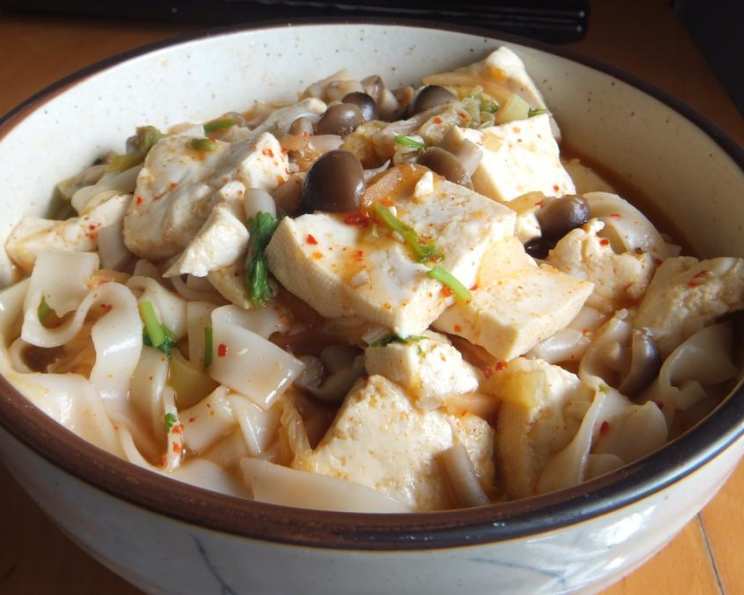
Kimchi Chi-Gae: A Spicy, Comforting Soulmate for Any Day
There are certain dishes that become more than just food; they become an experience, a memory, a feeling. For me, Kimchi Chi-Gae is one such dish. I vividly remember my first encounter with it, not in a bustling Seoul restaurant, but in a tiny, steamy kitchen in my grandmother’s house during a particularly biting winter. I was feeling under the weather, my sinuses clogged, and my spirits low. Grandma, with her knowing smile and hands that had kneaded countless doughs, simply said, “This will fix you.” She ladled a steaming bowl of fiery red soup in front of me, the pungent aroma of fermented cabbage filling the air. The first spoonful was a revelation – a complex dance of spicy, sour, and savory notes that warmed me from the inside out. It wasn’t just soup; it was a hug in a bowl, a potent elixir that cleared my head and soothed my soul, a feeling I’ve chased ever since in every batch I’ve made.
Recipe Overview
- Prep Time: 15 minutes
- Cook Time: 30 minutes
- Total Time: 45 minutes
- Servings: 4
- Yield: Approximately 1.5 liters
- Dietary Type: Can be Vegetarian/Vegan (with vegetable broth and no meat)
Ingredients
This recipe celebrates the magic of simplicity, letting the star ingredient – kimchi – shine. The beauty of Chi-Gae lies in its adaptability, but for this foundational version, we’ll stick to the core components that deliver that quintessential Korean comfort.
- 2 cups cabbage kimchi, preferably a good quality brand like King’s, chopped into bite-sized pieces. Ensure it’s well-fermented for that characteristic tang.
- 1 (14-ounce) can beef broth OR 1 (14-ounce) can vegetable broth. The choice here will greatly influence the depth of flavor. Beef broth offers a richer, more savory base, while vegetable broth keeps it lighter and vegetarian-friendly.
- 1 tablespoon green onion, finely chopped. This adds a fresh, pungent bite that cuts through the richness.
- 1 ¼ teaspoons garlic, minced. Freshly minced garlic is key for its potent aroma and flavor.
- 1 (8-ounce) package tofu, cubed into 1-inch squares. This is an optional but highly recommended addition, providing a wonderful textural contrast and absorbing the flavorful broth. Firm or medium-firm tofu works best.
- 1 pound cooked noodles (udon or egg noodles). Udon noodles offer a delightful chewy texture, while egg noodles provide a more delicate bite. Ensure they are cooked to al dente before adding them to the soup.
- 1 pound mushroom, chopped. Any variety of mushroom will work beautifully here – shiitake, cremini, or even a mix. They add an earthy depth and a satisfying, slightly meaty texture.
Equipment Needed
While Kimchi Chi-Gae is a humble dish, having the right tools makes the process smoother:
- A medium-sized pot or Dutch oven (at least 3-quart capacity) for simmering the soup.
- A cutting board and knife for chopping ingredients.
- A measuring cup and measuring spoons.
- A stirring spoon or ladle.
Instructions
The magic of Kimchi Chi-Gae unfolds quickly, making it an ideal weeknight meal. The key is to let the flavors meld and deepen during a gentle simmer.
- Begin by preparing your aromatics. In your medium-sized pot or Dutch oven, place the green onion and garlic.
- Pour in the beef broth or vegetable broth.
- Add the chopped cabbage kimchi, tofu (if using), and chopped mushroom to the pot.
- Bring the soup to a boil over medium-high heat.
- Once boiling, reduce the heat to low, cover, and simmer for a few minutes. This gentle simmer allows the flavors to meld beautifully.
- Add the cooked noodles to the simmering soup.
- Continue to simmer for another few minutes until the noodles are heated through and the soup is fragrant.
Expert Tips & Tricks
To elevate your Kimchi Chi-Gae from good to truly exceptional, consider these seasoned insights:
- The Kimchi is King: The quality and fermentation level of your kimchi will dictate the final flavor of your soup. If your kimchi is very fresh and not very sour, you might consider letting it sit out at room temperature for a day or two before using it for a more robust flavor. Conversely, if it’s already quite potent, you might want to use it sooner.
- Broth Matters: While beef broth offers a richer umami, a good quality vegetable broth can create a surprisingly complex and satisfying vegetarian version. Don’t underestimate the power of a well-chosen broth.
- Tofu’s Role: If you’re using tofu, a brief press can help remove excess water, allowing it to absorb more of the broth’s flavor and maintain its shape better during simmering.
- Mushroom Magic: Don’t be afraid to use a mix of mushrooms. Different varieties contribute different earthy notes and textural nuances. Dried shiitake mushrooms, rehydrated and their soaking liquid (strained) added to the broth, can also add an incredible depth of flavor.
- Adjusting Spice: The spiciness of your Chi-Gae will directly correlate with the spiciness of your kimchi. If you prefer a milder soup, you can use less kimchi or opt for a milder variety. For an extra kick, consider adding a pinch of gochugaru (Korean chili flakes) during the simmering process.
- Noodle Nuance: Cook your noodles al dente before adding them to the soup. They will continue to cook in the hot broth, and you don’t want them to become mushy.
- The Power of Fermentation: The longer your kimchi has fermented, the more complex and sour it will be, leading to a more intense flavor in your Chi-Gae. This soup is incredibly forgiving and can be adjusted to your personal taste preferences.
Serving & Storage Suggestions
Kimchi Chi-Gae is best served piping hot, straight from the pot, allowing its invigorating aromas to tantalize your senses. Ladle generous portions into individual bowls, ensuring each serving gets a good mix of kimchi, tofu, mushrooms, and noodles. A garnish of fresh, thinly sliced green onion adds a final touch of freshness and visual appeal.
Leftovers can be stored in an airtight container in the refrigerator for up to 3 days. The flavors tend to deepen and meld further overnight, making it almost even more delicious the next day. To reheat, gently warm the soup on the stovetop over low heat or in the microwave. If the soup has become too thick, you can add a splash of water or broth to loosen it up.
Nutritional Information
Here’s an estimated breakdown of the nutritional content per serving of Kimchi Chi-Gae, assuming it is made with beef broth and includes tofu and mushrooms.
| Nutrient | Amount per Serving | % Daily Value |
|---|---|---|
| Calories | 200.5 kcal | – |
| Calories from Fat | 3.4 g | 5% |
| Saturated Fat | 0.7 g | 3% |
| Cholesterol | 32.9 mg | 10% |
| Sodium | 338.4 mg | 14% |
| Total Carbohydrate | 33.1 g | 11% |
| Dietary Fiber | 2.6 g | 10% |
| Sugars | 3.1 g | 12% |
| Protein | 10.9 g | 21% |
Note: Nutritional values are estimates and can vary based on specific ingredients and quantities used.
Variations & Substitutions
The beauty of Kimchi Chi-Gae lies in its inherent versatility. Feel free to adapt it to your preferences and what you have on hand.
- Protein Powerhouse: While tofu is a fantastic vegetarian option, you can also add other proteins. Thinly sliced pork belly or beef are traditional additions that add a wonderful richness. For a seafood twist, clams or shrimp can be added during the last few minutes of simmering.
- Vegetable Medley: Don’t limit yourself to mushrooms! Add other hardy vegetables like zucchini, onions, or potatoes for extra substance and nutrients.
- Noodle Nirvana: Experiment with different noodle types! Ramen noodles, glass noodles (dangmyeon), or even a handful of rice cakes (tteok) can be used for a delightful textural variation.
- Spice Level: If you find your kimchi isn’t spicy enough, a teaspoon or two of gochujang (Korean chili paste) can be added to the broth for a deeper, more complex heat.
FAQs
Q: What is the best type of kimchi to use for Chi-Gae?
A: Well-fermented, mature cabbage kimchi is ideal. It provides the signature sour and spicy flavor that is the hallmark of this soup.
Q: Can I make this soup ahead of time?
A: Yes, you can make the broth and kimchi base ahead of time. Add the noodles and any fresh ingredients just before serving to maintain their best texture.
Q: My kimchi isn’t very sour. What can I do?
A: If your kimchi is fresh, you can let it sit out at room temperature for a day or two to encourage fermentation, or add a teaspoon of rice vinegar or lemon juice during the simmering process to mimic that sourness.
Q: Is Kimchi Chi-Gae healthy?
A: Yes, this soup is generally considered healthy. It’s rich in probiotics from the kimchi, and depending on your additions, it can be packed with vitamins and minerals from the vegetables and protein.
Q: How can I make this dish vegan?
A: Simply use vegetable broth instead of beef broth and omit any meat additions. Ensure your kimchi itself is vegan (some contain fish sauce).
Final Thoughts
Kimchi Chi-Gae is more than just a soup; it’s a culinary experience that nourishes the body and soul. It’s a testament to the power of simple, fermented ingredients, transforming humble components into something truly extraordinary. Whether you’re seeking comfort on a chilly evening, a restorative meal when feeling under the weather, or simply a burst of vibrant flavor, this fiery, comforting soup is sure to become a cherished staple in your kitchen. I encourage you to embrace its comforting warmth, experiment with its versatile nature, and share its delightful essence with those you love. Happy cooking!