
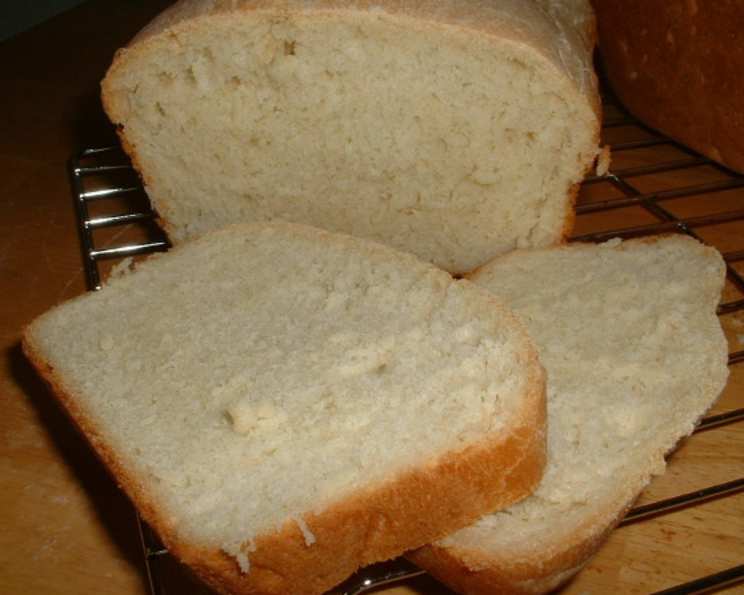
The Enduring Charm of White Batter Bread: A Taste of Simplicity
There’s a certain magic in bread baking that transcends mere sustenance; it’s an alchemy of simple ingredients transformed by time and warmth into something truly comforting. For me, White Batter Bread holds a special place in this pantheon of baking. I remember my grandmother, a woman whose hands were perpetually dusted with flour, pulling loaves of this very bread from her oven. The aroma, a sweet, yeasty perfume, would fill our entire home, a signal that a simple, yet profound, pleasure was on its way. It wasn’t fancy, not adorned with seeds or exotic grains, but its pillowy softness and subtly sweet crumb, especially when slathered with melting butter and a dollop of homemade jam, was pure bliss. This bread is a testament to the fact that sometimes, the most extraordinary flavors come from the simplest of preparations.
Recipe Overview
- Prep Time: 15 minutes
- Cook Time: 45 minutes
- Total Time: 1 hour 50 minutes (including rising time)
- Servings: 24
- Yield: 2 loaves
- Dietary Type: Vegetarian
The Heart of the Matter: Ingredients
The beauty of White Batter Bread lies in its unpretentious ingredient list. Each component plays a crucial role in creating that signature soft texture and delightful flavor.
- 2 (1/4 ounce) packages active dry yeast
- 2 ¾ cups water
- 6 ½ cups flour
- 3 tablespoons sugar
- 3 teaspoons salt
- 2 tablespoons shortening, softened
A Note on Ingredients:
- Flour: All-purpose flour is perfectly suited for this recipe. If you’re feeling adventurous, you could experiment with a portion of bread flour, which has a higher protein content and can yield a chewier crumb, but for the classic tender loaf, all-purpose is king.
- Yeast: Ensure your active dry yeast is fresh for the best rise. To check its viability, you can test it in a small amount of warm water with a pinch of sugar; it should become foamy within 5-10 minutes.
- Shortening: While you can substitute with unsalted butter or vegetable oil, traditional shortening lends a distinct tenderness to this batter bread. Make sure it’s softened for easy incorporation.
Essential Tools for Baking Success
While White Batter Bread is simple, a few basic tools will make the process smoother.
- Large mixing bowl
- Measuring cups and spoons
- Electric mixer with paddle attachment (optional, but helpful for initial mixing)
- Rubber spatula or sturdy spoon
- Two 8-inch greased loaf pans
- Clean kitchen towels or plastic wrap for covering
- Oven
- Wire cooling rack
The Gentle Art of Transformation: Instructions
This recipe comes together remarkably quickly, with the magic truly happening during the rising periods. It’s a batter-style dough, which means it’s stickier than a traditional kneaded bread, and that’s precisely what contributes to its wonderfully soft texture.
- Begin by dissolving the yeast in the water in a large mixing bowl. Allow it to sit for about 5 to 10 minutes, until it becomes foamy, indicating the yeast is active and ready to work its magic.
- Next, add half of the flour to the yeast mixture. Follow this with the sugar, salt, and softened shortening.
- If you have an electric mixer, you can blend these ingredients at low speed until just combined. Then, beat the mixture for about 2 minutes at medium speed. This step helps to develop some structure in the dough even before adding the rest of the flour. If you’re mixing by hand, stir vigorously with a sturdy spoon or spatula until everything is well incorporated.
- Now, mix in the remaining flour by hand. You’ll find the dough will become quite sticky, which is perfectly normal for this type of bread. Continue mixing until all the flour is incorporated and you have a thick, pliable batter.
- Cover the bowl with a clean kitchen towel or plastic wrap and place it in a warm, draft-free spot. Let the dough rise until doubled in size. This typically takes about 45 minutes, but can vary depending on the warmth of your kitchen.
- Once the dough has doubled, it’s time for a quick but important step: stir the batter hard for about 30 seconds. This vigorous stirring helps to develop the structure of the dough and ensures an even texture.
- Carefully spread the sticky batter into your two 8-inch greased loaf pans. The batter will be quite thick and may not spread evenly on its own; use your spatula to gently coax it into the corners. Don’t worry if it looks a bit messy; it will settle as it rises.
- Cover the loaf pans again and allow the dough to rise until doubled, which should take approximately 20 minutes. This second rise is crucial for achieving that light and airy crumb.
- While the loaves are undergoing their second rise, preheat your oven to 325°F (160°C).
- Once the loaves have doubled in their pans, carefully place them in the preheated oven. Bake for about 45 minutes, or until the loaves are golden brown and done. To check for doneness, you can tap the bottom of the loaf; it should sound hollow.
Chef’s Secrets: Tips and Tricks for Perfect Batter Bread
- Warmth is Key: Yeast is a living organism, and it thrives in warmth. If your kitchen is on the cooler side, consider placing your covered bowl in a slightly warmed oven (turned off, of course!) or near a sunny window.
- Don’t Overwork the Dough: Because this is a batter bread, you’re not aiming for the elastic, windowpane texture you’d get from kneading. Overmixing after the flour is added can actually make the bread tough.
- Grease Generously: Ensure your loaf pans are well-greased to prevent sticking. A light coating of shortening or baking spray works wonders.
- The Second Rise Matters: That 20-minute second rise is what gives this bread its signature airy texture. Don’t be tempted to skip it or shorten it significantly.
- Cooling is Crucial: Once baked, immediately remove the loaves from the pans and place them on a wire cooling rack. This prevents the bottoms from becoming soggy and allows the bread to cool evenly.
Savoring Every Slice: Serving and Storage
White Batter Bread is at its absolute best when served warm, fresh from the oven. The aroma alone is intoxicating, but the taste is even better.
- Serving: Slice the bread while still warm and generously slather it with your favorite butter. A good quality jam, honey, or even a sprinkle of cinnamon sugar are equally delightful accompaniments. It’s also fantastic toasted the next day, offering a different textural experience.
- Storage: Once completely cooled, wrap the bread tightly in plastic wrap or place it in an airtight container. It will keep well at room temperature for 2-3 days. For longer storage, you can freeze the cooled loaves, either whole or sliced, for up to 3 months. Thaw at room temperature or gently reheat in a low oven.
Nutritional Snapshot
| Nutrient | Amount per Serving | % Daily Value |
|---|---|---|
| Calories | 140.7 kcal | |
| Calories from Fat | ||
| Total Fat | 1.4 g | 2% |
| Saturated Fat | 0.3 g | 1% |
| Cholesterol | 0 mg | 0% |
| Sodium | 292.5 mg | 12% |
| Total Carbohydrate | 27.6 g | 9% |
| Dietary Fiber | 1.1 g | 4% |
| Sugars | 1.7 g | 6% |
| Protein | 3.7 g | 7% |
Note: Nutritional values are estimates and can vary based on specific ingredients used.
Variations on a Classic Theme
While the classic White Batter Bread is hard to beat, there’s always room for a little culinary creativity.
- Sweet Swirls: Before the second rise, gently swirl in a mixture of cinnamon, sugar, and a touch of melted butter into the batter in the pans for a sweet, spiced loaf.
- Herbal Notes: Incorporate a tablespoon or two of finely chopped fresh herbs, such as rosemary or chives, into the batter for a savory twist. This pairs beautifully with a smear of cream cheese or as an accompaniment to soups.
- Whole Wheat Whisper: For a slightly healthier option, try substituting up to a cup of the all-purpose flour with whole wheat flour. This will change the texture slightly, making it a bit denser, but adds a nutty flavor.
Frequently Asked Questions
Q: Why is my batter bread so dense?
A: A dense batter bread can result from not allowing it enough time to rise, using inactive yeast, or overmixing the dough after adding the flour. Ensure your yeast is fresh and your rising environment is warm.
Q: Can I make this bread without an electric mixer?
A: Absolutely! While an electric mixer helps, you can easily combine the ingredients by hand with a sturdy spoon or spatula. Just ensure you beat the initial mixture for the specified time.
Q: How do I know when the bread is fully baked?
A: The bread should be golden brown on top and sound hollow when you tap the bottom. You can also use an instant-read thermometer; the internal temperature should be around 190-200°F (88-93°C).
Q: My batter bread stuck to the pan. What went wrong?
A: This is usually due to insufficient greasing of the loaf pans. Always grease your pans thoroughly before adding the batter.
Q: Can I adjust the sweetness?
A: Yes, you can slightly increase or decrease the sugar by a tablespoon, but be mindful that sugar also contributes to yeast activity and browning.
A Slice of Comfort
White Batter Bread is more than just a recipe; it’s an invitation to slow down, connect with the simple joys of baking, and create something truly nourishing. It’s the perfect companion for a quiet morning coffee, a comforting addition to a hearty soup, or simply a delightful treat to share with loved ones. So, gather your ingredients, embrace the sticky batter, and let the wonderful aroma of freshly baked bread fill your home. You might just find, as I have, that this humble loaf holds a special kind of magic. Enjoy every delicious bite!