
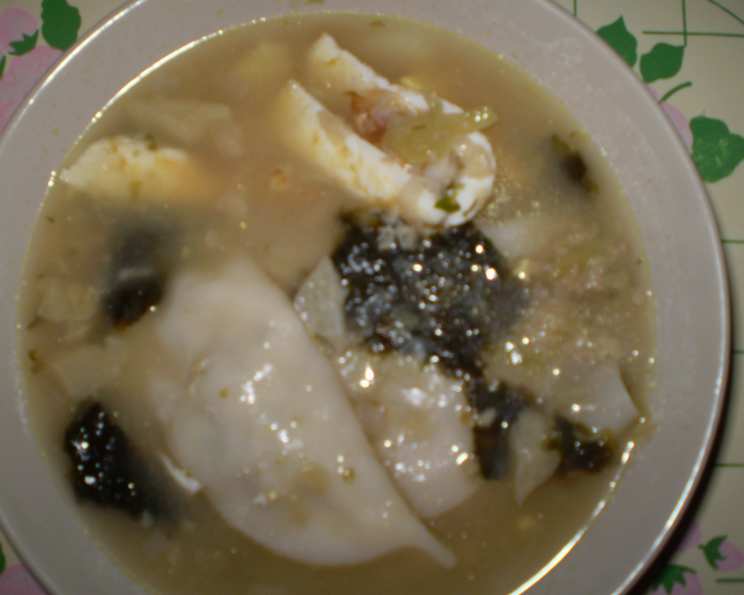
A Hug in a Bowl: Embracing Tradition with Korean Rice Cake Soup (Tteokguk)
As a child growing up in a Korean household, the scent of simmering broth on New Year’s Day was as synonymous with the holiday as the crisp winter air. My grandmother, her hands gnarled but nimble, would patiently slice wafer-thin strips of egg and beef, her movements a comforting rhythm. The star of the show, however, was always the tteokguk, the rice cake soup that signifies new beginnings and a year of good fortune. Each chewy rice cake, suspended in the clear, savory broth, felt like a tiny promise of prosperity.
Recipe Overview
- Prep Time: 20 minutes
- Cook Time: 30 minutes
- Total Time: 50 minutes
- Servings: 6
- Yield: Approximately 2.5 quarts of soup
- Dietary Type: Can be adapted to be gluten-free (ensure Dashida is gluten-free) and dairy-free.
Ingredients
The beauty of Tteokguk lies in its simplicity, a testament to how a few well-chosen ingredients can create profound flavor. Seek out these components, most of which can be found at your local Korean or Asian grocery store.
-
For the Broth:
- 2 ½ quarts broth (beef or anchovy)
- 1 tablespoon Dashida (beef or anchovy flavored seasoning powder)
-
For the Soup:
- 1 (1.76 lb) package Korean rice cakes (tteok), preferably the oval-shaped ones for soup. If they are frozen, thaw them according to package directions.
- 1 bunch green onion, cut into 2-inch-long pieces
-
For the Toppings:
- 2 sheets nori fresh seaweed, crumbled
- 4 eggs
- 3 ounces beef, thinly sliced (sirloin or ribeye work well)
- 12 Korean dumplings (mandu), either beef or vegetable filled
Equipment Needed
- A large pot or Dutch oven (at least 4-quart capacity)
- A small non-stick frying pan
- A whisk
- A sharp knife
- Cutting board
Instructions
Crafting Tteokguk is a rewarding process, a culinary ritual that connects us to generations past. Follow these steps carefully for a truly authentic experience.
-
Prepare the Broth: In your large pot or Dutch oven, combine the 2 ½ quarts of broth (either beef or anchovy, depending on your preference) and the 1 tablespoon of Dashida. Bring this mixture to a boil over medium-high heat. The Dashida is a crucial flavor enhancer, providing a savory depth that is characteristic of traditional Korean soups.
-
Cook the Rice Cakes: Once the broth is at a rolling boil, carefully add the 1 (1.76 lb) package of Korean rice cakes. Stir them gently to prevent them from sticking to the bottom of the pot. Allow them to boil until the rice cakes are tender. This typically takes about five minutes. You’ll know they’re ready when they float to the surface and have a pleasant, chewy texture.
-
Add the Green Onions: Immediately after the rice cakes have softened, add the 1 bunch of green onion, cut into 2-inch-long pieces. Cook for one additional minute. This brief cooking time allows the green onions to become tender without losing their vibrant color and fresh flavor.
-
Remove from Heat: Once the green onions have been in the soup for a minute, remove the pot from the heat. This is important as the residual heat will continue to cook the ingredients gently.
-
Prepare the Egg Garnish (Jidan): While the soup is resting, prepare the egg garnish. In a small bowl, beat the 4 eggs thoroughly until well combined and slightly frothy. Heat a lightly oiled non-stick frying pan over medium-low heat. Pour about ¼ of the beaten egg into the pan to create a thin sheet. Cook until the egg is set, then carefully flip and cook the other side briefly. You want a delicate, tender omelet. Once cooked, transfer the egg sheet to a cutting board and cut into thin strips that are about two inches long. This delicate, ribbon-like egg garnish is known as jidan, and it adds a beautiful visual contrast and subtle eggy flavor to the soup.
-
Prepare the Beef Garnish: Thinly slice the 3 ounces of beef into strips, about two inches long. In the same non-stick pan (or a clean one), add a touch of oil and brown the beef strips over medium-high heat. Cook until no pink remains. Set aside.
-
Prepare the Dumpling Garnish: Bring a separate small pot of water to a boil. Add the 12 Korean dumplings (mandu) and boil until tender. This usually takes about 5-7 minutes, depending on the size and type of dumplings. Drain them once cooked.
-
Assemble and Serve: To serve, spoon the hot soup into individual bowls. Ensure each bowl receives a good portion of the tender rice cakes and broth. Then, add desired toppings. Typically, this includes a few of the prepared egg strips, some browned beef strips, and one or two of the boiled dumplings. Finally, sprinkle a bit of the crumbled nori fresh seaweed over the top for an extra layer of umami and a touch of the sea.
Expert Tips & Tricks
- Rice Cake Preparation: If your tteok are very firm or frozen, consider rinsing them under warm water for a few minutes before adding them to the boiling broth. This helps them to soften more evenly and prevents them from becoming tough.
- Broth Variations: While beef or anchovy broth are traditional, you can also use a good quality vegetable broth for a vegetarian version. Ensure your Dashida is also vegetarian if going this route.
- Dumpling Diversity: Feel free to use your favorite kind of mandu. Kimchi mandu or vegetable mandu can add a delightful spicy or fresh element to the soup.
- Egg Garnish Perfection: For perfectly thin egg strips, make sure your pan is not too hot and spread the egg mixture thinly. This will ensure they cook quickly and evenly without becoming rubbery.
- Make-Ahead Components: You can prepare the jidan (egg strips) and brown the beef ahead of time and store them in the refrigerator. This will make the final assembly even quicker, especially if you’re serving a crowd.
Serving & Storage Suggestions
Tteokguk is best served piping hot, immediately after assembly. The steam rising from the bowl, carrying the savory aroma of the broth and the subtle sweetness of the rice cakes, is a comforting invitation. For a truly festive presentation, arrange the toppings artfully on top of the rice cakes.
Leftovers can be stored in an airtight container in the refrigerator for up to 2 days. Be aware that the rice cakes will continue to soften and absorb liquid. To reheat, gently warm the soup on the stovetop over low heat, adding a splash of water or broth if it has become too thick. Avoid boiling vigorously after reheating, as this can make the rice cakes mushy.
Nutritional Information
Here’s an estimated nutritional breakdown for a serving of Tteokguk. Please note that this can vary significantly based on the type of broth, beef, and dumplings used.
| Nutrient | Amount per Serving | % Daily Value |
|---|---|---|
| Calories | 679.3 kcal | 34% |
| Total Fat | 17.5 g | 26% |
| Saturated Fat | 6.2 g | 31% |
| Cholesterol | 138.6 mg | 46% |
| Sodium | 1507.3 mg | 62% |
| Total Carbohydrate | 111.7 g | 37% |
| Dietary Fiber | 6.1 g | 24% |
| Sugars | 2.8 g | 11% |
| Protein | 17.6 g | 35% |
Note: Daily Values are based on a 2,000 calorie diet. Individual results may vary.
Variations & Substitutions
The adaptability of Tteokguk allows for personal touches and regional interpretations.
- Anchovy Broth Base: For a lighter, briny flavor profile, use a homemade or store-bought anchovy broth. Steep dried anchovies and kelp in water for a deeply savory, ocean-kissed base.
- Vegetarian/Vegan Tteokguk: Omit the beef and use a rich vegetable broth. Ensure your Dashida is vegetable-based or omit it and build flavor with mushroom powder and soy sauce. For a non-vegan version, you can still omit the beef and add more mandu or extra mushrooms.
- Seafood Addition: Some variations include thinly sliced squid or small shrimp added along with the rice cakes for an oceanic twist.
- Spicy Kick: A small amount of finely minced garlic and a pinch of gochugaru (Korean chili flakes) can be added to the broth for a subtle warmth.
FAQs
Q: What is the significance of eating Tteokguk on New Year’s Day?
A: Eating Tteokguk on the first day of the New Year is a long-standing Korean tradition symbolizing a fresh start and wishing for good fortune and prosperity in the coming year. The white rice cakes represent purity and new beginnings.
Q: Where can I find Korean rice cakes (tteok)?
A: Korean rice cakes are widely available at Korean or Asian grocery stores. They are usually found in the refrigerated or frozen section. Look for the oval-shaped ones specifically labeled for soup (tteokguk tteok).
Q: Can I make Tteokguk ahead of time?
A: You can prepare the garnishes like the jidan (egg strips) and browned beef ahead of time. However, it’s best to cook the rice cakes and assemble the soup just before serving to maintain the best texture.
Q: My rice cakes are too hard. What did I do wrong?
A: If your rice cakes are still hard after the recommended cooking time, they may need a little longer. Ensure they are fully submerged in the boiling broth. For very firm cakes, a brief soak in warm water before cooking can help.
Q: Is Dashida absolutely necessary for Tteokguk?
A: Dashida is a common ingredient that provides a distinct savory flavor profile to Tteokguk. While you can create a delicious soup without it, you would need to supplement with other seasonings like fish sauce, soy sauce, or mushroom powder to achieve a similar depth of flavor.
Final Thoughts
Tteokguk is more than just a soup; it’s a vessel of tradition, a comforting embrace from culinary heritage. It’s a dish that speaks of family gatherings, hopes for the future, and the simple joy of a warm, nourishing meal. I encourage you to embrace the process, gather your ingredients, and create this beautiful soup in your own kitchen. It’s a delicious way to welcome new beginnings, and I’m confident it will become a cherished recipe in your repertoire, much like it is in mine. Serve it with a side of kimchi and a warm cup of barley tea for a truly authentic Korean experience.