
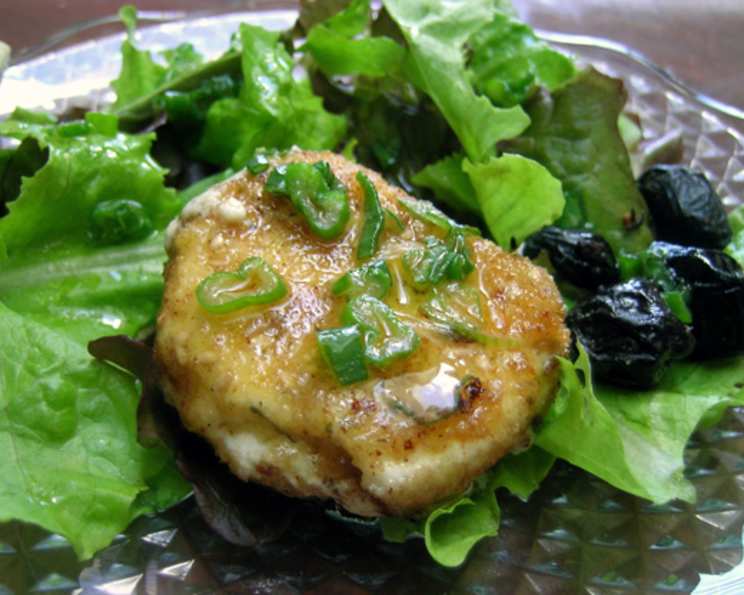
The Irresistible Charm of Warm Goat Cheese Salad
I still remember the first time I encountered a warm goat cheese salad. It was at a small bistro tucked away on a side street in Provence, a place buzzing with hushed conversations and the clinking of wine glasses. The simplicity of the menu belied the magic that arrived at my table: a vibrant bed of mixed greens, glistening with a bright, zesty dressing, crowned with golden-brown, jewel-like rounds of goat cheese, still radiating a gentle warmth. That initial bite, the creamy, tangy cheese yielding to a crisp, savory crust, mingled with the peppery greens and a hint of sweetness from the dressing, was nothing short of a revelation. It was a dish that spoke of elegance without pretension, a perfect balance of textures and flavors that has stayed with me ever since.
Recipe Overview
- Prep Time: 2 hours 15 minutes (includes chilling time)
- Cook Time: 4 minutes
- Total Time: 2 hours 19 minutes
- Servings: 6
- Yield: 6 servings
- Dietary Type: Vegetarian
Ingredients
For the Dressing:
- 1/3 cup olive oil
- 1/3 cup lemon juice
- 1 tablespoon green onion, thinly sliced
- 1 tablespoon honey
- 1 teaspoon Dijon mustard
For the Goat Cheese:
- 1/2 cup Italian seasoned breadcrumbs
- 1 1/2 tablespoons Parmesan cheese, grated
- 1 1/2 tablespoons sesame seeds
- 12 ounces goat cheese (three logs)
- 1 large egg, lightly beaten
- 3 tablespoons butter
For the Salad:
- 10 ounces mixed baby greens
- 12 kalamata olives, pitted and sliced
Equipment Needed
- Medium bowl (for dressing)
- Whisk
- Small bowl (for breadcrumb mixture)
- Shallow dish (for egg)
- Large skillet
- Tongs
- Paper towels
- Large salad bowl or individual plates
Instructions
-
Prepare the Dressing: In a medium bowl, combine all the dressing ingredients: 1/3 cup olive oil, 1/3 cup lemon juice, 1 tablespoon thinly sliced green onion, 1 tablespoon honey, and 1 teaspoon Dijon mustard. Whisk everything together vigorously until well combined and emulsified. Set aside.
-
Create the Breading Mixture: In a separate small bowl, combine the 1/2 cup Italian seasoned breadcrumbs, 1 1/2 tablespoons grated Parmesan cheese, and 1 1/2 tablespoons sesame seeds. Stir to ensure these dry ingredients are evenly distributed.
-
Prepare the Goat Cheese: Take your three logs of goat cheese and carefully cut each log into four equal slices. You should end up with twelve slices of goat cheese.
In a shallow dish, pour the lightly beaten large egg. Place the breadcrumb mixture in another shallow dish. -
Coat the Goat Cheese: Working with one slice of goat cheese at a time, first dip it into the beaten egg, ensuring it’s fully coated. Then, dredge the egg-coated cheese in the breadcrumb mixture, pressing gently to adhere the coating evenly on all sides. Repeat this process for all twelve slices of goat cheese.
-
Chill the Coated Goat Cheese: Once all the goat cheese slices are coated, arrange them in a single layer on a plate or parchment-lined tray. Cover them loosely and chill in the refrigerator for at least two hours. This crucial chilling step helps the coating set and prevents the goat cheese from melting too quickly when fried.
-
Fry the Goat Cheese: When you are ready to serve the salad, melt the 3 tablespoons of butter in a large skillet over medium-high heat. You want the butter to be hot and shimmering, but not browned.
-
Cook in Batches: Carefully place half of the chilled, coated goat cheese slices into the hot skillet, being sure not to overcrowd the pan. Fry for 1 to 2 minutes per side, or until the coating is a beautiful golden brown and the cheese is beginning to soften. Use tongs to gently turn each slice.
-
Drain and Repeat: Once browned, remove the fried goat cheese slices from the skillet and drain them on a plate lined with paper towels. This will help absorb any excess butter. Repeat step 7 with the remaining goat cheese slices, adding a little more butter to the skillet if necessary.
-
Assemble the Salad: In a large salad bowl or on individual plates, toss the 10 ounces of mixed baby greens with a generous amount of the prepared dressing. You may not need all of it; adjust to your preference.
-
Garnish and Serve: Top the dressed greens with the 12 pitted and sliced kalamata olives. Finally, carefully arrange the warm, golden-brown goat cheese rounds over the salad. Serve immediately to enjoy the contrast of the crisp, warm cheese with the cool, fresh greens.
Expert Tips & Tricks
The beauty of this salad lies in its deceptive simplicity, but a few professional touches can elevate it even further. For instance, when making the dressing, allowing the green onion to steep in the lemon juice and olive oil for about 15-20 minutes before whisking can infuse a more subtle onion flavor without the harshness of raw onion. If you find your Parmesan cheese tends to clump, grating it fresh just before adding it to the breadcrumbs will ensure a finer, more even distribution. When coating the goat cheese, don’t rush the process. Ensure each slice is thoroughly covered in the egg wash before moving to the breadcrumb mixture. A light, even coating is more appealing than a thick, clumpy one. If you’re short on time and can’t manage the full two-hour chill, at least 30 minutes in the freezer can help firm up the cheese enough for frying. When frying, keep the heat at medium-high; too low, and the cheese will become greasy; too high, and the breading will burn before the cheese warms through.
Serving & Storage Suggestions
This salad is best served immediately after the goat cheese has been fried and assembled. The contrast between the warm, melting cheese and the cool, crisp greens is what makes it so spectacular. If you happen to have any leftovers, store the dressed salad and the fried goat cheese separately in airtight containers in the refrigerator. The salad greens will likely lose some of their crispness, but it can still be a delicious snack. The fried goat cheese can be gently reheated in a dry skillet over low heat for a minute or two to regain some warmth, though it won’t be quite as appealing as when freshly fried. It’s generally not recommended to freeze the fried goat cheese as the texture can become compromised upon thawing.
Nutritional Information
| Nutrient | Amount per Serving | % Daily Value |
|---|---|---|
| Calories | 457.1 | 23% |
| Calories from Fat | 346 | |
| Total Fat | 38.5 g | 59% |
| Saturated Fat | 17.9 g | 89% |
| Cholesterol | 96.5 mg | 32% |
| Sodium | 626.6 mg | 26% |
| Total Carbohydrate | 13.7 g | 4% |
| Dietary Fiber | 1.1 g | 4% |
| Sugars | 5.3 g | 21% |
| Protein | 15.8 g | 31% |
Note: Nutritional values are estimates and can vary based on specific ingredients and portion sizes.
Variations & Substitutions
While this classic combination is wonderfully satisfying, there are several ways to adapt it to your personal taste. For a gluten-free version, substitute the Italian seasoned breadcrumbs with gluten-free breadcrumbs or finely ground nuts like almonds or walnuts. If you’re not a fan of kalamata olives, consider using sun-dried tomatoes packed in oil, toasted pine nuts, or slivered almonds for added texture and flavor. For a touch of sweetness and crunch, a sprinkle of pomegranate seeds during the winter months can add a festive flair. You can also experiment with different vinegars in the dressing; a balsamic glaze drizzled over the finished salad can offer a richer, more complex flavor profile. For a vegetarian variation that still offers a “meaty” texture, consider pan-frying halloumi cheese alongside or instead of the goat cheese, though the flavor profile will be different.
FAQs
Q: How do I prevent the goat cheese from melting completely during frying?
A: Ensure the goat cheese is well-chilled before frying and don’t overcrowd the pan. Cook in batches over medium-high heat for just 1-2 minutes per side to achieve a golden crust without the interior becoming entirely liquid.
Q: Can I make the dressing ahead of time?
A: Yes, the dressing can be made up to a day in advance. Store it in an airtight container in the refrigerator. Whisk again before serving as it may separate.
Q: What kind of goat cheese is best for this recipe?
A: A firm, log-shaped goat cheese (chèvre) is ideal as it holds its shape well when cut and fried. Avoid very soft, spreadable goat cheese for this application.
Q: Is it essential to chill the coated goat cheese for two hours?
A: While two hours is optimal for the coating to set firmly, a shorter chilling period of at least 30 minutes in the freezer can suffice if you’re pressed for time, though the coating might be slightly less robust.
Q: Can I bake the goat cheese instead of frying it?
A: Yes, you can bake the coated goat cheese. Place it on a baking sheet and bake at 400°F (200°C) for about 10-15 minutes, flipping halfway through, until golden brown and heated through. However, frying generally yields a crispier coating.
Final Thoughts
This warm goat cheese salad is more than just a dish; it’s an experience. It’s the perfect appetizer for a dinner party, a light yet satisfying lunch, or even a sophisticated starter for a romantic meal. The interplay of textures—the tender, yielding cheese encased in a delightful crunch, against the refreshing bite of the greens—is truly captivating. Don’t hesitate to experiment with the dressing or the toppings; the fundamental elements are so harmonious that they readily embrace variations. Serve it with a crisp, dry white wine like a Sauvignon Blanc or a light-bodied rosé, and savor every delightful bite. I encourage you to bring this simple elegance to your own table and discover the joy of this wonderfully warm salad.