
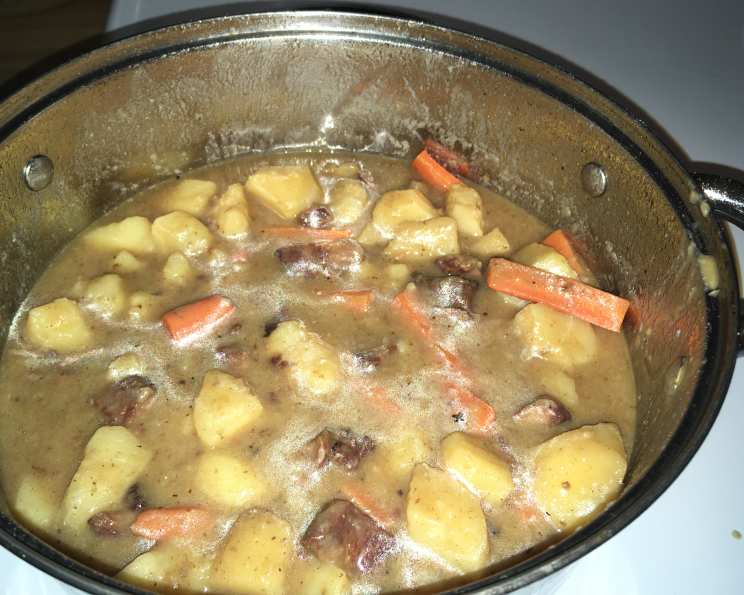
Fanny Farmer’s Old Fashioned Beef Stew: A Timeless Comfort
There’s something profoundly grounding about a steaming bowl of beef stew, especially one that carries the lineage of culinary tradition. My earliest memories of this dish are intertwined with the scent of my grandmother’s kitchen on a crisp autumn afternoon. The bubbling of the Dutch oven, the comforting aroma of slow-cooked beef, and the promise of tender vegetables were a sensory symphony that always signaled warmth and togetherness. Fanny Farmer’s recipe, a staple in so many homes, feels like a culinary hug – a reminder of simpler times and the enduring power of good, honest food. It’s the kind of dish that doesn’t just feed your stomach but nourishes your soul.
Recipe Overview
Here’s a quick glance at what you’ll need and how long it takes to bring this classic to life:
- Prep Time: 30 minutes
- Cook Time: 2 hours to 2 hours and 30 minutes
- Total Time: 2 hours and 30 minutes to 3 hours
- Servings: 6
- Yield: Approximately 6 servings
- Dietary Type: Hearty & Traditional
Ingredients
This stew relies on straightforward, wholesome ingredients to create its rich flavor.
- 2 lbs stew meat, cut into uniform cubes
- 1⁄2 cup all-purpose flour
- 1⁄2 teaspoon salt
- 1⁄4 teaspoon fresh ground pepper
- 4 tablespoons shortening (such as Crisco or lard)
- 2 cups boiling water
- 2 cups fresh beef stock (or good quality broth)
- 1 tablespoon lemon juice
- 1 tablespoon Worcestershire sauce
- 1 teaspoon sugar
- 1 large yellow onion, sliced
- 2 bay leaves
- 1⁄4 teaspoon allspice
- 12 small carrots, trimmed and peeled
- 12 whole white pearl onions, peeled
- 8 small red potatoes, peeled and cut in half (any small, thin-skinned potato can be substituted)
- 1 large parsnip, peeled and cut into uniform chunks (optional, but a lovely addition)
Equipment Needed
You won’t need any fancy gadgets for this recipe, just a few essentials:
- A large, heavy-bottomed pot or Dutch oven with a tight-fitting lid
- Wax paper or a shallow dish for dredging
- A slotted spoon or tongs
- A sharp knife and cutting board
Instructions
Follow these steps to create a stew that’s both comforting and deeply flavorful.
-
Prepare the Beef: On a piece of wax paper or in a shallow dish, combine the flour, salt, and pepper. Dredge the beef cubes in this mixture, ensuring each piece is evenly coated. Shake off any excess flour. This coating will help thicken the stew and create a beautiful crust on the meat.
-
Brown the Beef: Over high heat in your Dutch oven, melt the shortening. It’s crucial that the shortening is very hot before you add the beef; this ensures a good sear. Add the beef chunks in batches, about 5 or 6 pieces at a time. Do not crowd the pot, as this will cause the meat to steam rather than brown, hindering the development of rich flavor. Brown the beef on all sides until it develops a deep, appealing color. As each batch is browned, remove the beef to a plate using a slotted spoon or tongs. Repeat this process until all the beef chunks are beautifully browned.
-
Build the Flavor Base: Once all the meat has been browned, return it to the pot. Stand back, as this next step involves liquid and hot fat, and can cause splattering. Carefully pour in the boiling water. Be cautious, as the water will hiss and sputter. Next, stir in the lemon juice, Worcestershire sauce, sugar, sliced yellow onion, bay leaves, and allspice. Stir everything well to combine.
-
Simmer and Tenderize: Lower the heat to low, cover the pot tightly with its lid, and simmer for 1 1/2 to 2 hours. During this time, the beef will become incredibly tender. It is essential to monitor the stew and ensure it does not dry out. If the liquid level gets too low, add a little more boiling water, a quarter cup at a time, as needed.
-
Add the Vegetables: After the initial simmering period, when the meat is nearly fork-tender, add the prepared carrots, pearl onions, red potatoes, and the optional parsnip chunks to the pot. Stir gently to distribute them throughout the stew.
-
Final Cook: Cover the pot again and continue to cook for an additional 25-30 minutes, or until the carrots and potatoes are easily pierced with a fork and are tender.
Expert Tips & Tricks
- The Flour Dredge: Don’t skip the flour coating on the beef. It’s not just for thickening; it helps create a more flavorful crust on the meat as it browns.
- Hot Fat is Key: Ensure your shortening is shimmering hot before adding the beef. This is non-negotiable for achieving that delicious browning.
- Don’t Crowd the Pot: Browning in batches is time-consuming, but it’s the secret to a rich, deep flavor in your stew. Overcrowding leads to steaming, not browning.
- Beef Stock Quality: While homemade beef stock is ideal, a good quality store-bought beef stock will also yield excellent results.
- Vegetable Timing: Adding the vegetables in the last 30-40 minutes of cooking ensures they are tender but not mushy.
- The Optional Parsnip: If you’re adding parsnip, know that it brings a subtle sweetness and earthy depth that complements the beef beautifully. Cut it into uniform chunks so it cooks evenly with the potatoes.
Serving & Storage Suggestions
Fanny Farmer’s Old Fashioned Beef Stew is a meal in itself, but it’s also wonderful served with crusty bread for soaking up every last drop of the rich gravy. A simple green salad with a light vinaigrette makes for a refreshing accompaniment.
For storage, allow the stew to cool completely before transferring it to airtight containers. It will keep well in the refrigerator for 3 to 4 days. When ready to reheat, gently warm it on the stovetop over low heat, stirring occasionally. You can also reheat individual portions in the microwave. If the stew seems a bit thick after refrigeration, you can add a splash of water or beef broth to loosen it up.
Nutritional Information
Please note: Nutritional values are estimates and can vary based on specific ingredients and portion sizes.
| Nutrient | Amount per Serving | % Daily Value |
|---|---|---|
| Calories | 573 kcal | N/A |
| Calories from Fat | 146 kcal | N/A |
| Total Fat | 16.3 g | 25% |
| Saturated Fat | 5.3 g | 26% |
| Cholesterol | 96.8 mg | 32% |
| Sodium | 758.1 mg | 31% |
| Total Carbohydrate | 68.2 g | 22% |
| Dietary Fiber | 9.3 g | 37% |
| Sugars | 14.6 g | 58% |
| Protein | 41.6 g | 83% |
Variations & Substitutions
While this recipe is classic for a reason, you can certainly tailor it to your preferences:
- Root Vegetable Swap: If parsnips aren’t your favorite, you could substitute them with chunks of turnip or rutabaga for a similar earthy sweetness.
- Herbaceous Notes: For a brighter flavor profile, consider adding a sprig of fresh thyme or rosemary to the stew during the initial simmering phase. Remember to remove them before serving.
- Lighter Version: If you prefer a less rich stew, you can reduce the amount of shortening used for browning, though this may slightly alter the depth of flavor and thickening.
- Make it a Pot Pie Base: Once the stew is cooked and cooled, it can serve as a delicious filling for a classic pot pie. Top with your favorite pie crust and bake until golden brown.
FAQs
Q: Why do I need to brown the beef in batches?
A: Browning in batches prevents overcrowding the pot, which allows the meat to sear properly and develop a rich, caramelized flavor rather than steam.
Q: Can I use a different type of fat instead of shortening?
A: While shortening provides a neutral base, you could experiment with lard for a traditional flavor, or a high smoke point oil like canola or vegetable oil. Butter is generally not recommended due to its lower smoke point.
Q: My stew seems too thin, how can I thicken it?
A: The flour used to dredge the beef should provide sufficient thickening. If it’s still too thin, you can create a slurry by mixing 1-2 tablespoons of cornstarch with an equal amount of cold water, then stirring it into the simmering stew until it thickens.
Q: How long does the stew need to simmer for the meat to be tender?
A: The recipe calls for 1 1⁄2 to 2 hours of simmering for the beef to become tender. Cooking time can vary depending on the cut of beef used.
Q: Can I make this stew ahead of time?
A: Yes, beef stew often tastes even better the next day as the flavors meld. Simply cool and refrigerate, then reheat gently on the stovetop.
Final Thoughts
There’s a profound satisfaction in recreating a dish that has stood the test of time, and Fanny Farmer’s Old Fashioned Beef Stew is a testament to that enduring appeal. It’s a dish that whispers tales of generations past, offering a comforting embrace with every spoonful. So, gather your ingredients, embrace the process, and let the aromas fill your home. This stew is more than just a meal; it’s an invitation to slow down, connect with your loved ones, and savor the simple, beautiful act of cooking and sharing good food. Enjoy every hearty bite.