
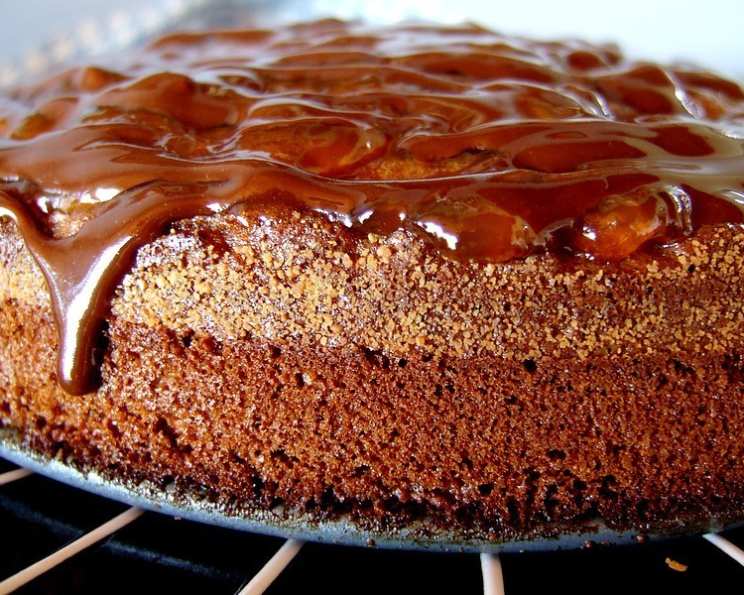
Walnut Tart Hungarian Style: A Taste of Old World Charm
My earliest memories of this Walnut Tart are tied to the fragrant warmth of my grandmother’s kitchen, a place where spices mingled with the aroma of simmering fruit and baking dough. It was a small, bustling space, filled with the comforting hum of conversation and the clatter of pots and pans. On special occasions, and sometimes just because, she would pull out this recipe, a treasured hand-written card stained with years of use. The food processor whirring to life, transforming simple ingredients into a rich, nutty batter, always felt like a touch of culinary magic. The aroma that filled the house as it baked was pure bliss, a promise of the decadent, slightly sweet, and intensely nutty slice that awaited.
Recipe Overview
- Prep Time: 20 minutes
- Cook Time: 35 minutes
- Total Time: 55 minutes
- Servings: 6-8
- Yield: 1 tart
- Dietary Type: Dessert
Ingredients
This tart is a testament to the beauty of simple, quality ingredients coming together. The richness of the walnuts, the subtle sweetness of the sugar, and the tender crumb created by the cake flour form the heart of this delightful dessert.
For the Tart:
- 6 tablespoons cake flour (90 ml)
- 1 cup superfine sugar (250 ml caster sugar)
- 4 extra-large eggs
- 1/2 teaspoon salt
- 2 1/4 ounces butter, softened (60 g)
- 1 teaspoon baking powder (5 ml)
- 2 teaspoons vanilla essence (10 ml)
- 5 ounces walnuts, broken into pieces (150 g)
For the Topping:
- 1 1/2 ounces butter (40 g)
- 3 ounces dark chocolate, broken into small pieces (80 g)
- 1/2 cup apricot jam (smooth jam, not wholefruit jam, softened or warmed slightly)
- Flaked almonds, for sprinkling (optional)
Equipment Needed
- Food processor
- Loose-bottomed springform cake tin (approximately 8 or 9 inches)
- Small saucepan
- Baking paper (optional)
- Cooling rack
- Offset spatula or knife for spreading jam and ganache
Instructions
The magic of this Hungarian-style Walnut Tart lies in its astonishing simplicity, particularly when it comes to the batter preparation. A food processor does most of the heavy lifting, allowing you to create a sophisticated dessert with minimal effort.
-
Preheat and Prepare the Tin: Begin by preheating your oven to 350°F (180°C). Take a loose-bottomed springform cake tin and grease it thoroughly. If you desire an extra nutty crunch and a beautiful presentation, sprinkle the greased sides with fine almonds. For easier release, especially with richer batters, you can also line the bottom of the tin with baking paper. Modern baking paper is often non-stick, making this a fuss-free option.
-
Combine Tart Ingredients: Gather all the ingredients for the tart. Place them directly into the bowl of your food processor. This includes the cake flour, superfine sugar, extra-large eggs, salt, softened butter, baking powder, vanilla essence, and the broken walnuts.
-
Process the Batter: Secure the lid of the food processor and process the ingredients for 1 to 2 minutes. The goal here is to achieve a beautifully smooth batter where the walnuts are very finely chopped, almost incorporated into the mixture. Continue processing until the texture is uniform.
-
Fill the Tin: Carefully pour the rather runny batter into the prepared springform tin. Gently tap the tin on your countertop a couple of times. This simple action helps to flatten the batter evenly and, more importantly, to remove any trapped air bubbles, which can lead to a more even bake.
-
Bake the Tart: Place the tin into the preheated oven and bake for approximately 35 minutes. To check for doneness, insert a skewer into the center of the tart. If it comes out clean, with no wet batter clinging to it, your tart is ready.
-
Cool and Demould: Once baked, remove the tart from the oven and allow it to cool in the tin for a short while. Then, carefully remove the sides of the springform tin, leaving the tart to sit on the base. Let it cool down further on a wire rack before proceeding with the topping. This prevents the tart from breaking when you add the glazes.
-
Prepare the Chocolate Ganache: To create the decadent topping, combine the butter and broken-up dark chocolate in a small saucepan. Place the saucepan over gentle heat. It is crucial not to boil this mixture; you want to gently warm it until the chocolate and butter melt into a smooth, glossy ganache. Stir continuously to ensure they emulsify beautifully.
-
Assemble the Topping: Once the tart has cooled sufficiently, spread the softened or warmed apricot jam evenly over the surface. You can use an offset spatula or the back of a spoon for this. Then, swirl the prepared chocolate ganache over the apricot jam. Don’t aim for perfect uniformity; a rustic swirl adds to its charm.
-
Garnish (Optional): If you wish to add a final flourish, sprinkle flaked almonds or nibbed almonds over the chocolate and jam topping. This not only enhances the visual appeal but also adds an extra layer of nutty texture.
Expert Tips & Tricks
- Butter Softness is Key: For the batter, ensure your butter is truly softened, not melted. This allows it to emulsify properly with the other ingredients in the food processor, creating a smoother batter.
- Walnut Consistency: If you prefer a more pronounced walnut texture, you can pulse the walnuts separately in the food processor a few times before adding the other ingredients. However, for the classic Hungarian style, finely chopping them is ideal.
- Jam Application: Gently warming the apricot jam makes it much easier to spread thinly and evenly over the tart. If it’s too stiff, a few seconds in the microwave or over a gentle bain-marie will do the trick.
- Chocolate Quality Matters: Using good quality dark chocolate will significantly impact the flavor of the ganache. A bittersweet or semi-sweet chocolate (around 60-70% cocoa solids) works wonderfully.
- Springform Tin Secrets: Always ensure the base of your springform tin is securely fastened. A well-greased and floured (or almond-dusted) tin is your best friend for easy demoulding.
Serving & Storage Suggestions
This Walnut Tart is best served at room temperature, allowing its rich flavors and textures to fully express themselves. It’s a perfect accompaniment to a cup of strong coffee, a dollop of unsweetened whipped cream, or even a scoop of vanilla bean ice cream.
Leftovers can be stored in an airtight container at room temperature for up to 2 days, provided your kitchen is not too warm. For longer storage, refrigerate the tart in an airtight container for up to 4 days. It can be served chilled or allowed to come to room temperature before serving. Freezing is not generally recommended for this particular tart, as the texture of the batter can be compromised upon thawing.
Nutritional Information
Here’s an estimated nutritional breakdown per serving, assuming 8 servings. Please note that these values are approximate and can vary based on the specific ingredients used.
| Nutrient | Amount per Serving | % Daily Value |
|---|---|---|
| Calories | 629 kcal | 31% |
| Total Fat | 40.5 g | 52% |
| Saturated Fat | 16.2 g | 81% |
| Cholesterol | 162 mg | 54% |
| Sodium | 443 mg | 19% |
| Total Carbohydrate | 65.1 g | 24% |
| Dietary Fiber | 4.2 g | 15% |
| Total Sugars | 45.9 g | 92% |
| Protein | 10.7 g | 21% |
Variations & Substitutions
While this recipe is a classic for a reason, feel free to experiment!
- Nutty Alternatives: Pecans or hazelnuts can be used in place of walnuts, offering slightly different flavor profiles.
- Jam Variations: While apricot jam is traditional, raspberry or cherry jam can also be delightful. Ensure they are smooth and not overly tart.
- Chocolate Choice: For a sweeter topping, milk chocolate can be used, but it will alter the richness. A good quality white chocolate could also be an interesting, albeit less traditional, addition.
- Citrus Zest: A touch of lemon or orange zest (about 1 teaspoon) added to the batter can provide a lovely fragrant lift.
FAQs (Frequently Asked Questions)
Q: Why is the batter so runny?
A: The high ratio of eggs and butter to flour, along with the finely processed walnuts, creates a naturally thin batter that bakes into a dense, fudgy-like texture.
Q: Can I make this tart without a food processor?
A: Yes, you can. You would need to finely chop the walnuts by hand or with a knife, then cream the butter and sugar, beat in the eggs one by one, and then fold in the dry ingredients and vanilla. However, the food processor method is exceptionally quick and ensures a consistent texture.
Q: How do I know if the apricot jam is “softened or warmed slightly”?
A: It should be spreadable with a spoon or spatula without being stiff. If it’s cold from the jar, gently warm it in a small bowl over a bain-marie or in short bursts in the microwave until it reaches a smooth, fluid consistency.
Q: My chocolate ganache is seizing (becoming lumpy). What went wrong?
A: This usually happens if any water gets into the chocolate mixture, or if it’s overheated. Ensure your saucepan and utensils are completely dry. If it’s slightly seized, you can sometimes rescue it by stirring in a tiny amount of warm liquid (like a teaspoon of milk or cream) or a tiny bit more butter.
Q: Can I make this tart ahead of time?
A: Yes, you can bake the tart a day in advance and store it unfrosted. Top it with the jam and ganache closer to serving time for the best texture and appearance.
Final Thoughts
There’s a profound satisfaction in creating something so elegant with such straightforward steps. This Hungarian-style Walnut Tart is more than just a dessert; it’s a warm embrace from a simpler time, a perfect balance of nutty depth and sweet indulgence. I encourage you to try it, perhaps with a loved one, and let the rich aroma fill your home. Serve it with a robust coffee or a sweet dessert wine, and savor each delectable bite. I would be delighted to hear about your baking adventures and any personal touches you add to this timeless classic.