
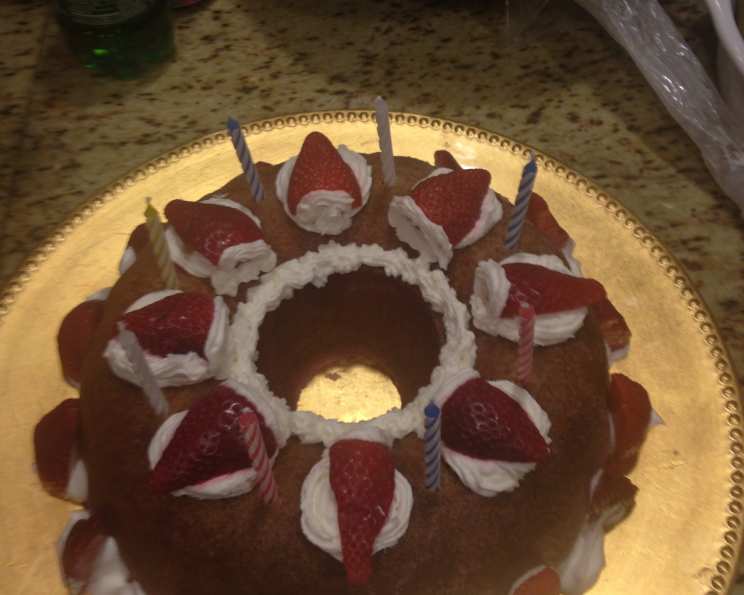
The Irresistible Allure of Kentucky Butter Cake
There are certain desserts that, with just a mention of their name, evoke a feeling of pure, unadulterated comfort. For me, Kentucky Butter Cake is one of those culinary treasures. I first encountered it on a drizzly autumn afternoon at a small, family-run bakery tucked away in a charming Southern town. The aroma that wafted from its open door was a siren song of sugar and butter, a promise of indulgence that I couldn’t resist. That first bite – a tender, moist crumb steeped in a warm, glossy butter sauce – was a revelation, a taste of home I didn’t even know I was missing. It’s a cake that speaks of tradition, warmth, and the simple joy of sharing something truly delicious.
Recipe Overview
- Prep Time: 15 minutes
- Cook Time: 60 minutes
- Total Time: 1 hour 15 minutes (plus cooling time)
- Servings: 12
- Yield: 1 ten-inch cake
- Dietary Type: Traditional
Ingredients
This recipe is a testament to the power of simple, high-quality ingredients coming together to create something extraordinary.
For the Cake:
- 3 cups unbleached all-purpose flour
- 2 cups white sugar
- 1 teaspoon salt
- 1 teaspoon baking powder
- ½ teaspoon baking soda
- 1 cup buttermilk
- 1 cup butter, softened
- 2 teaspoons vanilla extract
- 4 large eggs
For the Butter Sauce:
- ¾ cup white sugar
- ⅓ cup butter
- 3 tablespoons water
- 2 teaspoons vanilla extract
Equipment Needed
While this cake doesn’t require any avant-garde equipment, a few essentials will make the process smoother.
- A 10-inch Bundt pan is ideal for its beautiful presentation and even baking.
- A large mixing bowl for combining the dry and wet ingredients.
- A stand mixer or hand mixer for achieving that perfectly smooth batter.
- A saucepan for preparing the luscious butter sauce.
- A wooden toothpick or cake tester for checking doneness.
- A wire cooling rack for allowing the cake to cool and the sauce to set.
Instructions
Crafting this Kentucky Butter Cake is a rewarding process, and with careful attention to each step, you’ll achieve a spectacular result.
- Begin by preheating your oven to 325 degrees Fahrenheit (165 degrees Celsius). This moderate temperature is key to ensuring the cake bakes through without burning.
- Next, thoroughly grease and flour your 10-inch Bundt pan. This step is crucial for a clean release of the cake after baking. Ensure you get into all the nooks and crannies of the pan.
- In a large bowl, meticulously combine the dry ingredients: the 3 cups of unbleached all-purpose flour, 2 cups of white sugar, 1 teaspoon of salt, 1 teaspoon of baking powder, and ½ teaspoon of baking soda. Whisk them together to ensure an even distribution of leavening agents and salt.
- Now, it’s time to incorporate the wet ingredients into the dry. Add the 1 cup of buttermilk, 1 cup of softened butter, 2 teaspoons of vanilla extract, and the 4 large eggs to the bowl.
- Using your mixer on medium speed, beat the batter for 3 minutes. This duration is important for developing the structure of the cake and creating a smooth, emulsified batter. Scrape down the sides of the bowl periodically to ensure everything is incorporated.
- Carefully pour the batter into your prepared Bundt pan. Gently spread it evenly to fill the pan.
- Place the pan in your preheated oven and bake for 60 minutes. The most reliable way to check for doneness is to insert a wooden toothpick into the center of the cake. If it comes out clean, your cake is ready. If there’s any wet batter, continue baking for a few more minutes and test again.
- Once the cake is baked, remove it from the oven. While the cake is still warm, use a wooden skewer or fork to prick holes all over the surface. These holes will act as little wells for the glorious butter sauce to seep into.
- Now, let’s prepare the sauce. In a medium saucepan, combine the remaining ¾ cup of white sugar, ⅓ cup of butter, 2 teaspoons of vanilla extract, and the 3 tablespoons of water.
- Cook the sauce over medium heat, stirring occasionally, just until the butter is fully melted and the ingredients are combined. It’s important not to boil this sauce; we want it to be a luscious, pourable glaze, not a candy.
- Slowly and deliberately pour the warm butter sauce over the warm, pricked cake, allowing it to soak in. You might need to go around a few times to ensure good coverage.
- Finally, let the cake cool in the pan before attempting to remove it. This allows the cake to set up and prevents it from breaking. Once cooled, invert it onto a serving plate.
Expert Tips & Tricks
- Room Temperature Ingredients: For both the cake and the sauce, ensure your butter is properly softened to room temperature. This allows it to incorporate smoothly into the batter and melt evenly in the sauce, leading to a better texture.
- Buttermilk’s Magic: If you find yourself without buttermilk, you can easily make a substitute. For 1 cup of buttermilk, mix 1 tablespoon of white vinegar or lemon juice with 1 cup of milk, then let it sit for 5 minutes before using. The slight acidity reacts with the baking soda to create a tender crumb.
- Don’t Overbake: While the toothpick test is your best guide, be mindful of your oven. Ovens can vary, so keep an eye on the cake towards the end of the baking time to avoid drying it out.
- Sauce Application: Pouring the sauce over a still-warm cake is critical. The warmth helps the cake absorb the delicious buttery goodness. Don’t be shy with the pricking; the more holes, the more luscious the cake will become.
Serving & Storage Suggestions
This Kentucky Butter Cake is a star on its own, but it also pairs wonderfully with a dollop of freshly whipped cream or a scoop of vanilla bean ice cream. The rich, buttery flavor also complements a hot cup of coffee or a fragrant herbal tea.
For storage, once the cake is completely cooled, you can store it in an airtight container at room temperature for up to 3 days. If your kitchen is particularly warm, or you plan to keep it longer, it can be refrigerated for up to a week. When ready to serve from the refrigerator, allow it to come to room temperature for about 30 minutes to regain its ideal texture and flavor.
Nutritional Information
Here’s an estimated breakdown of the nutritional content. Please note that these are approximations and can vary based on specific ingredients and brands used.
| Nutrient | Amount per Serving | % Daily Value |
|---|---|---|
| Calories | 508.1 kcal | |
| Calories from Fat | ||
| Total Fat | 22.5 g | 34% |
| Saturated Fat | 13.6 g | 68% |
| Cholesterol | 117 mg | 39% |
| Sodium | 502.9 mg | 20% |
| Total Carbohydrate | 71 g | 23% |
| Dietary Fiber | 0.8 g | 3% |
| Sugars | 47.1 g | 188% |
| Protein | 6.2 g | 12% |
Variations & Substitutions
While the classic Kentucky Butter Cake is perfection, there are always ways to put your personal spin on it.
- Citrus Zest: For a brighter note, consider adding the zest of one lemon or orange to the cake batter. This adds a subtle complexity that beautifully balances the richness.
- Bourbon Infusion: A splash of good quality bourbon (about 1-2 tablespoons) added to the butter sauce can elevate the flavor profile, giving it a sophisticated depth.
- Nutty Crunch: A handful of chopped pecans or walnuts can be folded into the batter before baking, or sprinkled over the top of the sauce as it cools, adding a delightful texture contrast.
FAQs
Q: Why is my Kentucky Butter Cake dry?
A: A dry cake can often be a result of overbaking or not allowing the sauce to properly penetrate the cake. Ensure you use the toothpick test accurately and pour the sauce generously over the warm cake.
Q: Can I use a different pan besides a Bundt pan?
A: Yes, you can bake this cake in a 9×13 inch pan. Adjust the baking time accordingly, as it will likely bake faster. You would then pour the sauce over the warm cake in the pan.
Q: My butter sauce seems too thin. What did I do wrong?
A: You may have boiled the sauce, which can cause it to become too thin. For future attempts, ensure you are only melting the ingredients together over medium heat without allowing it to bubble vigorously.
Q: How can I make sure the cake doesn’t stick to the Bundt pan?
A: Thoroughly greasing and flouring the pan is essential. Ensure you use a good quality non-stick spray or softened butter and flour, getting into every crevice.
Q: Can I make the butter sauce ahead of time?
A: It’s best to make the sauce just before pouring it over the warm cake. While it can be gently reheated, it’s at its prime when freshly made and still warm.
Final Thoughts
The Kentucky Butter Cake is more than just a dessert; it’s an experience. It’s a warm hug on a plate, a reminder of simpler times, and a celebration of the enduring power of butter and sugar. I encourage you to bake this cake, to share it with loved ones, and to savor every single delicious, buttery bite. It’s a recipe that deserves a place in every baker’s repertoire, a true testament to the magic that happens in the kitchen when you combine a few humble ingredients with a lot of heart.