
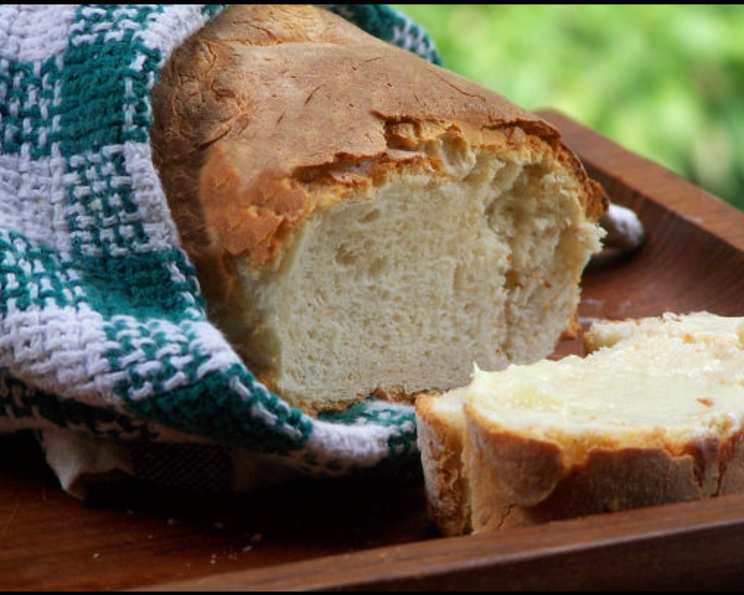
The Enchanting Aroma of French Bread with Roasted Garlic
There are certain aromas that, for me, instantly transport me back to my grandmother’s kitchen on a crisp Sunday afternoon. The scent of yeast blooming, the gentle hum of the oven, and then, the magic of garlic – not the sharp, pungent kind, but mellow, sweet, and caramelized notes that cling to the air like a warm embrace. This French bread, infused with the deep, savory essence of roasted garlic, is more than just a recipe; it’s a culinary hug, a reminder of simple pleasures and the profound comfort found in freshly baked bread. I remember my grandmother meticulously transforming humble ingredients into golden loaves, and this variation, with its subtle but impactful roasted garlic, always felt like a special occasion, a little touch of everyday luxury she generously shared.
Recipe Overview
- Prep Time: 15 minutes (plus dough rising time)
- Cook Time: 15-20 minutes
- Total Time: approximately 1 hour 30 minutes (including dough rising)
- Servings: 10
- Yields: 2 loaves
- Dietary Type: Vegetarian
Ingredients
- 1 1⁄3 cups water
- 4 cups unbleached flour
- 1 1⁄2 teaspoons salt
- 1 teaspoon sugar
- 1 1⁄2 teaspoons fast-rising active dry yeast
- 1 tablespoon roasted garlic (see note below)
Note on Roasted Garlic: To achieve the desired flavor, you’ll want to roast a head of garlic beforehand. Simply slice off the top of a whole garlic bulb, drizzle with a little olive oil, wrap in foil, and roast at 400°F (200°C) for about 40-60 minutes, or until the cloves are soft and caramelized. Once cooled slightly, squeeze the softened cloves out of their skins and mash them into a paste. You’ll only need about a tablespoon for this recipe, so you’ll have extra for other delicious uses!
Equipment Needed
- Bread machine
- Measuring cups and spoons
- Large bowl (for kneading if not using a machine)
- Clean work surface
- Rolling pin
- Sharp knife or lame
- Baking sheet or loaf pans
- Oven
- Wire cooling rack
- Plastic wrap
- Small oven-safe pan (for steam)
Instructions
- Begin by adding the water to your bread machine’s bread pan. This is a crucial first step to ensure the ingredients mix correctly.
- Next, add the remaining ingredients in the order they are listed: unbleached flour, salt, sugar, fast-rising active dry yeast, and finally, the roasted garlic. It is important to ensure the salt and yeast do not come into direct contact initially, as salt can inhibit yeast activity. Placing the salt in one corner and the yeast in another is a good practice.
- Follow your bread machine’s specific directions for the “French bread” setting. If your machine does not have this specific setting, use the basic dough cycle and remove the dough before the final rising stage. Once the dough cycle is complete, press start.
- When the dough cycle has finished, carefully remove the dough from the bread machine. Place it onto a lightly floured work surface.
- Punch down the dough gently to release any accumulated air. Divide the dough evenly into two equal portions.
- Begin the shaping process with one portion of the dough. Roll it out into a rectangle approximately 7-8 inches by 3 inches.
- Perform a series of folds: Fold one-third of the dough up lengthwise towards the center, then fold the remaining one-third down over the first fold, creating a layered effect. Press gently to seal the folds.
- Repeat this folding process two more times, ensuring you allow the dough to rest briefly between each set of folds. This helps to develop the gluten structure and create a good crumb.
- Once the dough has been folded and pressed, gently roll and stretch each piece into an 11-13 inch loaf shape. Be patient and work the dough gradually to achieve the desired length without tearing.
- Carefully place each shaped loaf onto a lightly floured baking sheet or into loaf pans. Using loaf pans will help the bread maintain its shape during the final rise.
- Cover the loaves loosely with lightly oiled plastic wrap. This prevents a skin from forming on the dough.
- Allow the loaves to rise in a warm place for 30-45 minutes, or until they have visibly increased in size.
- Preheat your oven to 450°F (230°C).
- Just before baking, slash the tops of each loaf with a sharp knife or a baker’s lame. These slashes allow the bread to expand evenly in the oven and also add a decorative touch.
- Place a handful of ice cubes into a small oven-safe pan and place it on the bottom rack of the preheated oven. This will create steam, which is essential for a beautifully crisp crust on French bread.
- Carefully place the loaves into the preheated oven. Bake for 15-20 minutes, or until the crust is a deep golden brown.
- Once baked to perfection, transfer the loaves immediately to a wire rack to cool completely. This allows air to circulate, preventing the bottom crust from becoming soggy.
Expert Tips & Tricks
The magic of a great French bread lies in its crust and crumb. Achieving that perfect crust often comes down to heat and steam. The ice cube trick in the oven is your secret weapon for this. Don’t be tempted to open the oven door too early during baking, as this can cause the loaves to collapse. The roasted garlic, when properly prepared, should be soft and sweet, lending a wonderful depth of flavor without any harshness. If your dough seems a bit sticky when you remove it from the machine, don’t be afraid to add a tiny bit more flour, but do so sparingly, as too much flour can lead to a dense loaf.
Serving & Storage Suggestions
This French bread with roasted garlic is a star on its own, perfect for tearing and enjoying warm from the oven. It’s also an exceptional accompaniment to soups, stews, or pasta dishes. Slice it and serve alongside a vibrant green salad or with your favorite dips. For an extra treat, slather it with good quality butter.
Once completely cooled, store any leftover bread in a paper bag at room temperature for up to 2 days. The paper bag allows air to circulate, keeping the crust from becoming too soft. For longer storage, you can wrap the cooled bread tightly in plastic wrap followed by aluminum foil and freeze it for up to 3 months. To reheat, simply thaw at room temperature and then warm in a 350°F (175°C) oven for about 5-10 minutes, or until heated through and the crust is re-crisped.
Nutritional Information
| Nutrient | Amount per Serving | % Daily Value |
|---|---|---|
| Calories | 190.7 kcal | |
| Calories from Fat | ||
| Total Fat | 0.6 g | 1% |
| Saturated Fat | 0.1 g | 1% |
| Cholesterol | 0 mg | 0% |
| Sodium | 351.8 mg | 15% |
| Total Carbohydrate | 39.6 g | 13% |
| Dietary Fiber | 1.9 g | 7% |
| Sugars | 0.6 g | 1% |
| Protein | 6 g | 11% |
Nutritional values are estimates and may vary based on specific ingredients and preparation methods.
Variations & Substitutions
While this recipe shines with its classic approach, feel free to experiment! For a richer dough, you could substitute half a cup of the water with milk. You could also add a tablespoon of finely chopped fresh rosemary or thyme to the dough along with the roasted garlic for an herbaceous twist. If you’re feeling adventurous, consider adding a sprinkle of Parmesan cheese to the top before baking for an extra savory kick.
FAQs
Q: Can I make this bread without a bread machine?
A: Absolutely! You can easily make the dough by hand or using a stand mixer with a dough hook. Follow standard bread-making techniques for kneading and rising.
Q: How do I ensure the roasted garlic flavor is present but not overpowering?
A: The key is to use well-caramelized, soft roasted garlic. The roasting process mellows its intensity, bringing out a sweet, nutty flavor that complements the bread beautifully without being sharp.
Q: My bread crust isn’t as crisp as I’d like. What could I be doing wrong?
A: Ensure your oven is fully preheated and use the steam method (ice cubes in a pan) during the initial baking period. Also, make sure to cool the bread completely on a wire rack.
Q: How long does the dough need to rise?
A: The dough typically needs 30-45 minutes to rise in a warm place until it has visibly increased in size. The exact time can vary depending on the ambient temperature.
Q: Can I use a different type of flour?
A: While unbleached all-purpose flour is ideal for its gluten content, you could experiment with a portion of whole wheat flour for added fiber and a nuttier flavor, but be aware it may affect the texture.
Final Thoughts
There’s a profound satisfaction that comes from creating a loaf of French bread from scratch, and infusing it with the deeply satisfying flavor of roasted garlic elevates it to something truly special. This recipe is a testament to the power of simple ingredients transformed by time and heat. I encourage you to embrace the process, breathe in that incredible aroma as it bakes, and savor every warm, crusty, garlicky bite. It’s a dish that brings people together, a comforting centerpiece for any meal, and a gentle reminder of the simple joys in life. Enjoy!