
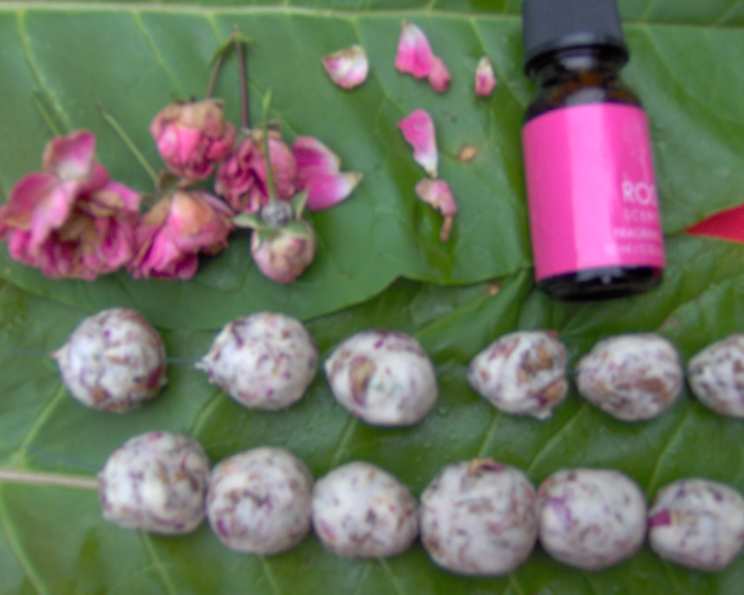
The Enchanting Art of Rose Beads: Crafting Edible Elegance
There’s a certain magic that happens when nature’s most delicate offerings are transformed into something tangible, something beautiful, and in this case, something delightful to behold. I remember the first time I encountered rose beads – not as jewelry, but as a whimsical, edible adornment on a cake. It was a wedding cake, a vision in soft pastels, and nestled amongst the fondant roses were these tiny, perfectly formed beads, shimmering with a subtle, rosy hue. The intricacy of their creation sparked a curiosity that led me down a path of culinary exploration, reminding me that sometimes, the most profound sweetness lies not just in flavor, but in the artistry of its presentation.
Recipe Overview
- Prep Time: 20 minutes
- Cook Time: 0 minutes (Drying time is separate)
- Total Time: 20 minutes + Drying Time
- Servings: 1 batch
- Yield: 1 batch of beads
- Dietary Type: Vegetarian
Ingredients
- 3 cups rose petals, fresh and fragrant
- 1 ¾ cups all-purpose flour
- 4 tablespoons salt
- Water, as needed
- Rose extract (optional, for enhanced fragrance)
Equipment Needed
- Large mixing bowl
- Sharp knife or kitchen shears
- Clean, dry surface (such as a countertop or cutting board)
- Small cup or thimble (for shaping)
- #24 florist’s wire
- Dental floss or string for final threading
Instructions
- Begin by preparing your rose petals. You’ll need about 3 cups of them. Ensure they are clean and free of any pesticides. Finely chop these rose petals until they are almost a paste-like consistency. The smaller the pieces, the better they will integrate into the dough.
- In a large mixing bowl, combine the 1 ¾ cups of all-purpose flour and 4 tablespoons of salt. Whisk them together to ensure the salt is evenly distributed throughout the flour.
- Gradually add water to the flour and salt mixture, a little at a time, stirring as you go. Continue adding water and mixing until you achieve a smooth dough. The consistency should be firm enough to handle but pliable, much like playdough. You don’t want it to be sticky.
- Now, gently fold the finely chopped rose petals into the dough. Ensure they are evenly distributed throughout. If you are using rose extract for an intensified fragrance, add a drop or two at this stage and mix it in thoroughly.
- Lightly flour your clean, dry work surface. Turn the dough out onto this surface. Roll out the dough to a uniform thickness of about ¼ inch. Aim for an even surface so your beads will be consistent in size and shape.
- Using a small cup or a thimble, cup the dough to create small circles or shapes. You can also simply pinch off small pieces of dough.
- Take each small dough circle or piece and roll it between your palms until it forms a smooth ball. You can experiment with shapes; while round beads are classic, you can also create oval or even slightly flattened square beads, depending on your preference. Ensure each bead is smooth and free of cracks.
- As you finish rolling each bead, immediately string it onto a piece of #24 florist’s wire. Leave a small gap between each bead to prevent them from sticking together as they dry.
- Once you have strung your beads onto the florist’s wire, you will need to hang them in a dark place until they are dry. A closet or a pantry would be ideal. The drying process can take some time, depending on the humidity and temperature of your environment.
- During the drying period, it is crucial to move the beads around occasionally. This is to keep them from sticking together as they harden. Gently rotate them on the wire or carefully lift and reposition them.
- Once the beads are completely dry and firm to the touch, you can carefully remove them from the florist’s wire.
- The beads are now ready to be incorporated into your culinary creations. You can string them onto some dental floss or a fine edible string to create decorative garlands, borders, or even form them into intricate designs for cakes, cupcakes, or pastries.
Expert Tips & Tricks
- Rose Selection is Key: For the best flavor and color, use fragrant, organic, unsprayed rose petals. Varieties like Damask roses or heirloom garden roses tend to have the most potent aroma.
- Drying is Patience: The drying time is critical. If your environment is humid, it might take longer. Resist the urge to rush the process, as improperly dried beads can become brittle or even moldy.
- Uniformity for Aesthetics: While it’s fun to experiment with shapes, for a truly polished look, try to make your beads as uniform in size and shape as possible. This will create a more cohesive and professional presentation.
- Enhancing Fragrance: If you desire a more pronounced rose scent, a tiny drop of food-grade rose oil or rose extract can be added to the dough. Be sparing, as these can be quite potent.
- Working with the Dough: If the dough feels too dry, add water a tiny bit at a time. If it’s too sticky, work in a little more flour, but be careful not to make it tough.
Serving & Storage Suggestions
These rose beads are best used as decorative elements on desserts. They add a beautiful, handcrafted touch to special occasion cakes, wedding favors, or even delicate pastries. They are not meant to be eaten in large quantities as a standalone snack.
Store any unused, completely dried rose beads in an airtight container in a cool, dry place. They can last for several weeks, maintaining their shape and delicate fragrance. Avoid storing them in humid conditions, as this can cause them to soften.
Nutritional Information
(Please note: This is an estimation, as the exact nutritional value can vary based on the type of roses used and any optional ingredients.)
| Nutrient | Amount per Serving | % Daily Value |
|---|---|---|
| Calories | 796.2 kcal | – |
| Calories from Fat | – | 19 g |
| Total Fat | 2.1 g | 3% |
| Saturated Fat | 0.3 g | 1% |
| Cholesterol | 0 mg | 0% |
| Sodium | 27910.1 mg | 1162% |
| Total Carbohydrate | 166.9 g | 55% |
| Dietary Fiber | 5.9 g | 23% |
| Sugars | 0.6 g | 2% |
| Protein | 22.6 g | 45% |
The extremely high sodium content is due to the significant amount of salt used in the dough, which acts as a preservative and drying agent.
Variations & Substitutions
While the classic rose bead is enchanting on its own, you can explore a few delightful variations:
- Floral Fusion: Instead of just rose petals, try a mix of other edible, fragrant flowers like lavender or violet petals. Ensure they are safe for consumption and prepared correctly.
- Color Enhancement: For a more vibrant hue, you can gently press food-grade colored sugar crystals onto the beads before they dry, or carefully paint them with edible food coloring after they have hardened.
- Textural Contrast: Roll some of the finished beads in edible glitter or finely crushed edible pearls for added sparkle and texture.
- Flavor Infusion: Experiment with different extracts like vanilla, almond, or even a hint of cardamom to complement the floral notes.
FAQs (Frequently Asked Questions)
Q: Can I use any type of rose for making these beads?
A: It is best to use organic, unsprayed rose petals from varieties known for their fragrance and flavor, such as Damask or heirloom roses. Avoid roses from florists, as they are often treated with chemicals.
Q: How long do the rose beads need to dry?
A: The drying time can vary greatly depending on humidity and temperature. It can take anywhere from 24 hours to several days. They are dry when they feel hard and no longer sticky to the touch.
Q: Can I make these beads ahead of time?
A: Yes, absolutely. Once completely dried, they can be stored in an airtight container in a cool, dry place for several weeks, making them perfect for advance event preparation.
Q: What is the purpose of the salt in the recipe?
A: The salt acts as a natural preservative and also aids in the drying process, helping to draw out moisture from the dough and contribute to the beads’ firmness and longevity.
Q: How do I attach these beads to my desserts?
A: You can string them onto edible thread or dental floss to create garlands or borders. For individual placement, a tiny dab of edible glue or royal icing can secure them to fondant or buttercream.
Final Thoughts
Crafting rose beads is more than just following a recipe; it’s an invitation to slow down, to appreciate the delicate beauty of nature, and to translate that beauty into something edible and artful. The subtle fragrance that fills your kitchen as you prepare them, the satisfying feel of shaping the dough, and the visual reward of the finished product – it’s a culinary journey that engages all the senses. I encourage you to try this enchanting process, to experiment with their placement on your next creation, and to share the delicate, rosy magic with those you love. They are a testament to the fact that sometimes, the sweetest details are the ones we create with our own hands.