
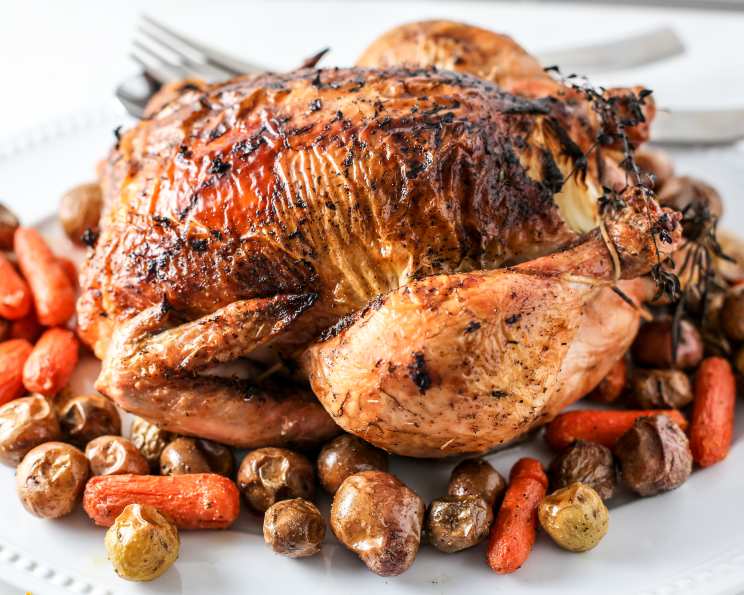
The Unassuming Roast Chicken That Stole My Heart
There are certain dishes that, upon first taste, imprint themselves onto your culinary memory, becoming a touchstone for comfort and flavor. For me, this “sticky” roast chicken is one of those. It’s the kind of meal that transforms an ordinary Sunday supper into a special occasion without any fuss, a secret weapon in my recipe arsenal. I remember the first time I made it; the aroma that filled my kitchen was unlike any roast chicken I’d ever encountered – deep, savory, and incredibly inviting. The resulting bird was so moist and flavorful, it genuinely made me reconsider every other roast chicken I’d ever eaten. It’s a dish that proves, time and again, that simplicity and patience can yield extraordinary results.
Recipe Overview
- Prep Time: Overnight marination + 15 minutes
- Cook Time: 5 hours
- Total Time: 5 hours 15 minutes (plus overnight marination)
- Servings: 6
- Yield: 1 whole chicken
- Dietary Type: Gluten-Free, Dairy-Free
Ingredients
This recipe calls for a surprisingly simple list of ingredients, relying on the magic of a well-seasoned chicken and a very low, slow cooking method.
- 4 teaspoons salt
- 2 teaspoons paprika
- 1 teaspoon cayenne pepper
- 1 teaspoon onion powder
- 1 teaspoon thyme
- 1 teaspoon white pepper
- ½ teaspoon garlic powder
- ½ teaspoon black pepper
- 1 large roasting chicken (approximately 3-4 pounds)
- 2 large onions, peeled and quartered
Equipment Needed
- Small bowl for spice mixture
- Resealable plastic bag (food-grade, unscented kitchen can liner recommended)
- Shallow baking pan
- Oven
- Meat thermometer (optional, but recommended for confirmation)
- Tongs
- Carving knife and fork
Instructions
This chicken is all about patience. The overnight marination allows the flavors to deeply penetrate the meat, and the incredibly low and slow roasting ensures unparalleled moisture and tenderness.
Day 1: The Overnight Embrace
- Prepare the Spice Blend: In a small bowl, combine the salt, paprika, cayenne pepper, onion powder, thyme, white pepper, garlic powder, and black pepper. Whisk these spices together thoroughly to ensure they are evenly distributed. This will be the flavorful backbone of your roast chicken.
- Prepare the Chicken: Carefully remove the neck and giblets from the roasting chicken. Rinse the chicken well, both inside and out, under cool running water. This step is crucial for cleanliness. After rinsing, pat the chicken thoroughly dry with paper towels. A dry surface is essential for the spices to adhere properly and for the skin to develop beautifully.
- Season Generously: Take your prepared spice mixture and rub it all over the chicken, ensuring an even coating on the exterior. Don’t forget to get some of the spice blend inside the chicken cavity as well. This internal seasoning is often overlooked but contributes significantly to the overall flavor.
- Stuff and Seal: Stuff the cavity of the chicken with the quartered onions. These onions will not only add a subtle aromatic flavor during cooking but will also help maintain the chicken’s shape.
- The Overnight Marinade: Place the seasoned and stuffed chicken into a resealable “food grade” plastic bag. If you don’t have specific food-grade bags, a new, unscented, white kitchen garbage can liner works perfectly well in a pinch. Tie the bag closed securely to prevent any air from escaping or entering.
- Refrigerate: Place the sealed bag with the chicken into your refrigerator and let it marinate overnight. This extended period in the refrigerator allows the salt and spices to work their magic, seasoning the meat from within and beginning the tenderizing process.
Day 2: The Slow Roast Revelation
- Prepare for Roasting: On the second day, remove the chicken from the plastic bag. Discard the bag and any accumulated juices.
- Transfer to Pan: Place the chicken in a shallow baking pan. There’s no need to add any oil or liquid to the pan at this stage. The chicken will release its own flavorful juices.
- The Low and Slow Journey: Preheat your oven to 250°F (120°C). This is a critical temperature for this recipe. Place the baking pan with the chicken into the preheated oven. Roast uncovered for a full 5 hours.
- A Note on Temperature: I understand that roasting a chicken at 250°F for 5 hours might seem unconventional, even alarming. It’s crucial to trust the process. This incredibly low temperature ensures that the chicken cooks gently and evenly, breaking down connective tissues without drying out the meat. Please do not be tempted to increase the temperature or reduce the cooking time. The USDA considers 180°F (82°C) for poultry to be safe, and this method ensures the chicken reaches and safely surpasses this internal temperature, resulting in incredibly tender and moist meat. If your chicken has a pop-up thermometer, please ignore it; it is designed for higher temperature roasting and will not accurately reflect the doneness at this low temperature.
- Basting for Moisture (Optional but Recommended): After the first hour of roasting, begin to baste the chicken with its own drippings every 30 minutes. While I admit my own consistency on this point can vary, basting helps to keep the surface of the chicken moist and encourages a lovely, albeit subtle, sheen to develop. The rendered juices are packed with flavor and will contribute to the deliciousness of the final dish.
- Resting is Key: Once the 5 hours of roasting are complete, remove the chicken from the oven. Let it rest for at least 10 minutes before carving. This resting period is vital. It allows the juices within the meat to redistribute, ensuring that every slice is succulent and flavorful. If you cut into it immediately, all those precious juices would escape onto the pan, leaving you with a drier bird.
Expert Tips & Tricks
- Spice Level Adjustment: If you prefer a milder flavor, reduce the amount of cayenne pepper. For an extra kick, you can always add a pinch more.
- Crispier Skin: While this method prioritizes moisture, if you desire a crispier skin, you can, after the 5 hours of low roasting, increase the oven temperature to 400°F (200°C) for the last 10-15 minutes, keeping a very close eye on it to prevent burning.
- Onion Magic: Don’t discard the onions after removing them from the cavity! They will be incredibly soft and caramelized, perfect for serving alongside the chicken or for mashing into a flavorful side dish.
- Make-Ahead Ease: The beauty of this recipe is the overnight marination. You can prepare the spice blend and season the chicken the day before you plan to serve it, freeing up your cooking day significantly.
Serving & Storage Suggestions
Serve this magnificent roast chicken hot, carved directly at the table for a bit of theater. The tender meat will fall off the bone, and the skin, while not crackling crisp, will have a delightful chewiness and absorb all those wonderful spices. The caramelized onions from the cavity are a delicious addition to the plate.
Leftovers can be stored in an airtight container in the refrigerator for up to 3-4 days. This chicken is surprisingly versatile when reheated; gently warm it in a covered dish in a low oven (around 300°F or 150°C) with a splash of water or broth to maintain moisture, or shred it for salads, sandwiches, or tacos. It also freezes well for up to 3 months.
Nutritional Information (Estimated)
| Nutrient | Amount per Serving (approx.) | % Daily Value |
|---|---|---|
| Calories | 238 kcal | – |
| Calories from Fat | – | – |
| Total Fat | 15.7 g | 24% |
| Saturated Fat | 4.5 g | 22% |
| Cholesterol | 71.3 mg | 23% |
| Sodium | 1619.9 mg | 67% |
| Total Carbohydrate | 6.2 g | 2% |
| Dietary Fiber | 1.4 g | 5% |
| Sugars | 2.3 g | 9% |
| Protein | 17.6 g | 35% |
Note: Nutritional information is an estimate and can vary based on the size and specific ingredients used.
Variations & Substitutions
While this recipe is designed for perfection as is, here are a few ideas if you feel adventurous:
- Herbaceous Twist: Incorporate fresh herbs like rosemary or sage into the spice blend or cavity stuffing for an aromatic variation.
- Citrus Brightness: Add a quartered lemon to the cavity along with the onions for a subtle citrus note that complements the rich flavors.
- Spicy Kick: For those who love heat, consider adding a pinch of smoked paprika for depth or a touch of chipotle powder for a smoky, spicy dimension.
FAQs (Frequently Asked Questions)
Q: Why is the cooking temperature so low (250°F)?
A: The extremely low temperature allows the chicken to cook gently and evenly over a long period, breaking down connective tissues for incredible tenderness and moisture without drying out the meat.
Q: Is it safe to cook a chicken at such a low temperature for so long?
A: Yes, it is safe. As long as the chicken reaches an internal temperature of 180°F (82°C), it is safely cooked. The 5-hour cooking time at 250°F will ensure this.
Q: Can I use a smaller or larger chicken?
A: You can, but you’ll need to adjust the cooking time accordingly. For smaller chickens, you might reduce the time slightly, and for larger ones, you’ll need to extend it. Always rely on an internal temperature check (180°F in the thickest part of the thigh) for accuracy.
Q: What should I do with the drippings?
A: The drippings are liquid gold! They can be used to make a simple pan sauce by deglazing with a bit of wine or broth and thickening it slightly, or they can be incorporated into gravies.
Q: Do I have to marinate overnight?
A: While overnight marination yields the best results, you can get away with at least 4-6 hours in the refrigerator if you’re short on time. The longer it marinates, the deeper the flavor will penetrate.
Final Thoughts
This roast chicken is a testament to the fact that sometimes, the most impressive dishes require the least amount of active cooking. It’s the kind of recipe that rewards your patience with unbelievably tender, flavorful meat that will have your guests asking for seconds, and likely, the recipe itself. Serve it with simple roasted vegetables, a crisp green salad, or creamy mashed potatoes for a meal that feels both rustic and refined. I encourage you to try it; embrace the overnight wait and the long, slow roast, and prepare to be delighted by the simple magic of this “sticky” roast chicken.