
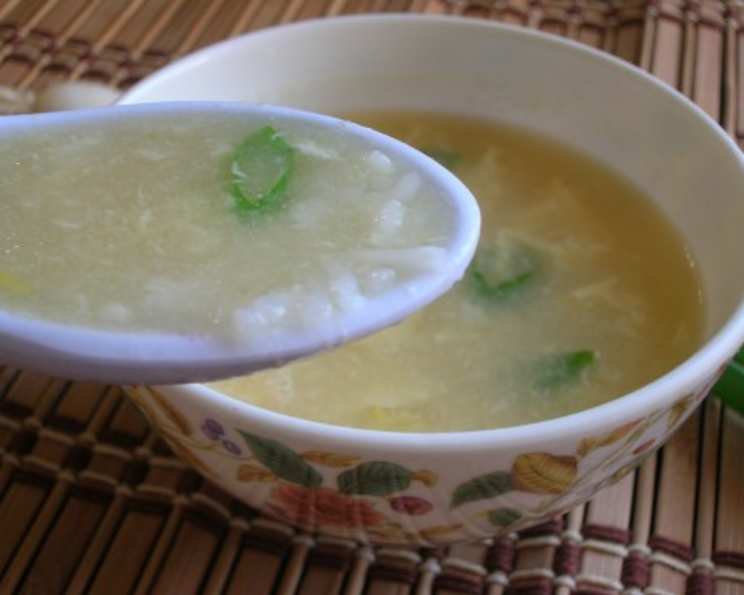
The Humble Comfort of Rice and Egg Soup
There are certain dishes that, by their very nature, speak of warmth, simplicity, and a deep-seated feeling of being cared for. Rice and Egg Soup is one such culinary embrace. I remember one particularly blustery winter afternoon, feeling under the weather and frankly, a bit sorry for myself. My grandmother, bless her heart, didn’t fuss or ask many questions. She simply disappeared into the kitchen and, within what felt like minutes, reappeared with a steaming bowl of this soup. The aroma alone was enough to coax a smile onto my face – a delicate, savory perfume that promised solace. That bowl, with its tender rice and delicate ribbons of egg, was more than just food; it was a balm for the soul, a whisper of home that chased away the chill and the blues.
Recipe Overview
- Prep Time: 5 minutes
- Cook Time: 10 minutes
- Total Time: 15 minutes
- Servings: 4
- Yield: 4 bowls
- Dietary Type: Gluten-Free, Dairy-Free
Ingredients
This recipe calls for just a handful of pantry staples, proving that profound comfort can be found in the simplest of ingredients.
- 4 large eggs
- 4 cups chicken broth (or vegetable broth for a vegetarian option)
- 1 ½ cups cooked white rice
- Salt, to taste
- Fresh ground pepper, to taste
Equipment Needed
- Medium covered pot
- Fork
- Whisk (optional, for beating eggs)
- Medium mesh strainer
- Small bowl
- Ladle
Instructions
Crafting this restorative soup is a swift and straightforward affair, perfect for those moments when you crave nourishment without the fuss.
-
In a medium covered pot, combine the chicken broth and the cooked white rice. Bring this mixture to a boil over medium heat. This initial step ensures the rice is warmed through and begins to meld with the broth.
-
While the broth heats, prepare the eggs. Crack each egg into a medium mesh strainer set over a sink or another bowl. Allow the thinner, more watery part of the egg white to drain away. This simple technique helps to prevent the soup from becoming overly cloudy and ensures you get delicate strands of egg rather than a more scrambled texture. Transfer the remaining yolk and the thicker egg white into a small bowl.
-
Beat the eggs well with a fork. Aim for about 20 seconds of vigorous beating to ensure the yolk and white are thoroughly combined.
-
Once the broth and rice mixture is boiling, remove the lid. Using a fork, circulate the broth to create a gentle whirlpool effect. This action is key to achieving the beautiful, separated strands of egg in the finished soup.
-
Now, delicately pour the beaten eggs into the pot. Guide the flow through the tines of the fork directly into the center of the “whirlpool.” The swirling motion will help to separate the egg into fine ribbons as it cooks.
-
Cover the pot immediately and allow the soup to cook for just 1 minute.
-
After 1 minute, turn off the heat. Let the soup set for 1 minute more, undisturbed. This residual heat is often enough to finish cooking the egg perfectly.
-
Season the soup to your liking with salt and fresh ground pepper. Taste and adjust as needed.
-
Ladle the finished Rice and Egg Soup into bowls and serve immediately.
Expert Tips & Tricks
The beauty of this soup lies in its simplicity, but a few chef-level insights can elevate it further.
- Broth is Key: While chicken broth is classic, don’t hesitate to experiment. A rich mushroom broth or even a good quality vegetable broth can lend a different, yet equally comforting, dimension to the soup. If using a low-sodium broth, be sure to season generously at the end.
- Rice Matters: The type of rice can influence the final consistency. Starchier rice varieties, like Arborio, will release more starch, leading to a slightly thicker, more velvety soup. However, any cooked white rice will work beautifully. Ensure your rice is properly cooked and cooled before adding it to the broth; hot rice can sometimes make the broth overly cloudy.
- The Strainer Secret: Don’t skip the straining of the eggs! It’s a small step that makes a significant difference in the visual appeal and texture of the egg ribbons. It removes the watery albumen, leaving the thicker, more desirable parts of the egg to cook into elegant strands.
- Gentle Heat, Gentle Touch: The cooking process for the egg is very brief and relies on gentle heat. Overcooking will result in larger, more rubbery pieces of egg, diminishing the delicate quality of the soup. The whirlpool technique is crucial for that signature look.
Serving & Storage Suggestions
This soup is best enjoyed piping hot, right after it’s made. It’s a meal in itself, perfect for a light lunch or a comforting supper.
- Serving: Ladle the soup into warm bowls. A sprinkle of fresh chives or thinly sliced scallions can add a pop of color and a hint of freshness. For a slightly heartier meal, consider serving it alongside some crusty bread for dipping.
- Storage: Leftovers can be stored in an airtight container in the refrigerator for up to 2 days. The egg strands may break down a bit upon reheating, and the soup will naturally thicken as it cools.
- Reheating: Gently reheat the soup on the stovetop over low heat, stirring occasionally. Avoid boiling, as this can make the egg tough. You may need to add a splash more broth to loosen it up to your desired consistency.
Nutritional Information
Here is an estimated nutritional breakdown for a single serving of this Rice and Egg Soup. Please note that these values can vary based on specific ingredients used, particularly the type of broth and the size of the eggs.
| Nutrient | Amount per Serving | % Daily Value |
|---|---|---|
| Calories | 202.6 kcal | |
| Calories from Fat | 6.5 g | 9 % |
| Saturated Fat | 2 g | 9 % |
| Cholesterol | 211.5 mg | 70 % |
| Sodium | 833.2 mg | 34 % |
| Total Carbohydrate | 21.2 g | 7 % |
| Dietary Fiber | 0.2 g | 0 % |
| Sugars | 1.1 g | 4 % |
| Protein | 12.8 g | 25 % |
Note: The “Calories from Fat” percentage is a portion of the total calories, and the “Calories from Fat” value itself is listed under “Total Fat.”
Variations & Substitutions
While this recipe is wonderfully simple, it also lends itself beautifully to personalization.
- Vegetarian/Vegan: Substitute vegetable broth for chicken broth. For a vegan version, omit the egg and consider adding small florets of steamed broccoli, finely diced cooked tofu, or even a swirl of tahini for richness after ladling.
- Heartier Meal: Stir in leftover cooked chicken, shredded pork, or pan-fried shrimp along with the rice. Finely diced and lightly sautéed carrots, peas, or mushrooms also make excellent additions.
- Flavor Boost: A dash of sesame oil or a splash of soy sauce (if not concerned about gluten) can add an extra layer of savory depth. A pinch of grated ginger added to the broth before boiling can also lend a subtle warmth.
FAQs
Q: Can I use leftover rice in this soup?
A: Absolutely! In fact, day-old, slightly drier rice often works best as it holds its shape better in the soup.
Q: What is the purpose of straining the eggs?
A: Straining the eggs removes the watery part of the egg white, resulting in more delicate and visually appealing strands of egg in the soup.
Q: My soup looks a bit cloudy. What did I do wrong?
A: A cloudy soup can sometimes result from the watery albumen not being fully drained from the eggs, or if the broth was boiled too vigorously when the eggs were added. Ensure you drain the eggs thoroughly and maintain a gentle simmer when cooking the egg strands.
Q: Can I make this soup ahead of time?
A: While the broth base can be prepared ahead, the egg is best cooked just before serving to maintain its delicate texture. Reheating can sometimes toughen the egg.
Q: What kind of broth is best for this soup?
A: Chicken broth is a classic choice, offering a savory depth. However, a good quality vegetable broth or even a light mushroom broth can also be delicious and make the soup vegetarian.
Final Thoughts
There’s a profound magic in the humble bowl of Rice and Egg Soup. It’s a dish that asks for little but gives so much in return – warmth, comfort, and a gentle reminder of the simple pleasures in life. Whether you’re feeling under the weather, craving a quick and nourishing meal, or simply want to infuse your day with a touch of home-style goodness, this soup is an open invitation. I encourage you to try it, to savor its delicate flavors, and perhaps, to even create your own comforting memories with this timeless classic. Serve it with a smile, and feel the quiet satisfaction it brings.