
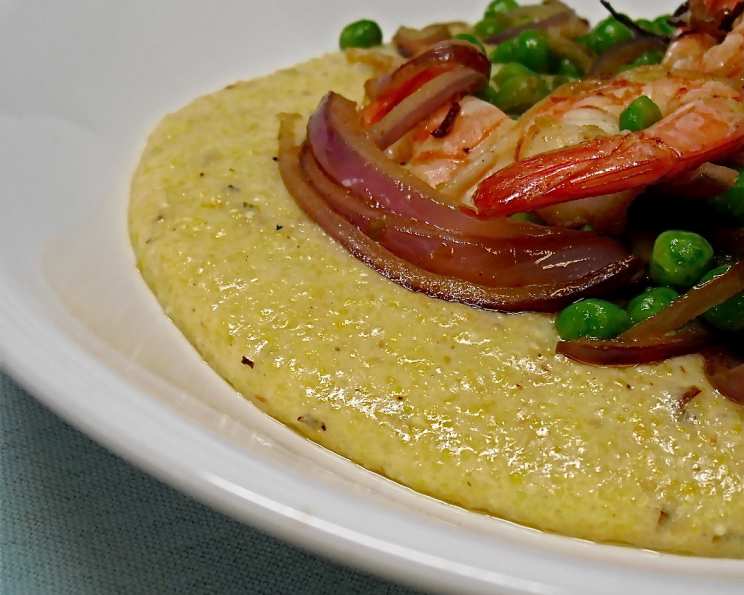
Rosemary Parmesan Polenta: A Comforting Classic Reimagined
There’s something profoundly satisfying about polenta. It’s a dish that whispers tales of rustic kitchens, of humble ingredients transformed into something utterly soul-warming. I remember the first time I truly understood its magic. It wasn’t in a bustling trattoria, but in my own kitchen, on a crisp autumn evening. I had stumbled upon a recipe at our local grocery store, Festival Foods, and decided to give it a go. The aroma that filled my home – a fragrant blend of rosemary, garlic, and melting Parmesan – was intoxicating. My family devoured it, and the joy of seeing familiar faces light up with each creamy bite was a reward in itself. What truly cemented this polenta in my heart, however, was the revelation of its leftovers. Those golden, chilled squares, later pan-fried to a delightful crisp, became a second, equally beloved meal. It’s a dish that offers comfort in its initial soft embrace and an exciting, textural delight in its second act.
Recipe Overview
- Prep Time: 15 minutes
- Cook Time: 30 minutes
- Total Time: 45 minutes
- Servings: 6
- Yield: 1 polenta square
- Dietary Type: Vegetarian (can be made vegan with substitutions)
Ingredients
This recipe centers on simple, high-quality ingredients that come together to create a symphony of flavor and texture.
-
For the Polenta:
- 1/2 cup unsalted butter (1 stick)
- 1/4 cup olive oil
- 1 tablespoon minced garlic (about 3 cloves)
- 1/2 teaspoon crushed red pepper flakes
- 1 tablespoon minced fresh rosemary leaves
- 1 teaspoon garlic salt
- 1/4 teaspoon freshly ground black pepper
- 3 cups chicken stock (vegetable stock can be substituted for a vegetarian option)
- 2 cups half-and-half
- 2 cups whole milk
- 2 cups medium-grind cornmeal
- 1 cup good quality grated Parmesan cheese
-
For Frying Leftovers:
- Cornstarch, for dusting
- 1 tablespoon olive oil
- 1 tablespoon butter
Equipment Needed
You won’t need a battalion of specialized tools for this recipe, but a few key items will ensure smooth sailing:
- A large, heavy-bottomed saucepan
- A whisk
- A sturdy spatula
- An 8 x 8 inch glass baking dish (for chilling leftovers)
- A large saute pan (for frying)
Instructions
Crafting this Rosemary Parmesan Polenta is a rewarding process, beginning with building a fragrant flavor base and culminating in a creamy, luscious texture.
- Begin by preparing your flavor foundation. In a large, heavy-bottomed saucepan, melt the 1/2 cup of unsalted butter and 1/4 cup of olive oil together over medium heat.
- Once shimmering, add the minced garlic, crushed red pepper flakes, minced fresh rosemary leaves, garlic salt, and freshly ground black pepper. Sauté these aromatics for just 1 minute, stirring constantly, until fragrant. Be careful not to burn the garlic.
- Pour in the chicken stock, half-and-half, and milk. Bring this liquid mixture to a boil over medium-high heat.
- Once boiling, reduce the heat to low. This is a crucial step for achieving creamy polenta; a gentle simmer is key. While whisking constantly, slowly sprinkle in the cornmeal in a steady stream. This continuous whisking prevents lumps from forming and ensures a smooth texture.
- Continue cooking over low heat, stirring constantly with your whisk or a sturdy spatula, for approximately 20-25 minutes, or until the polenta has thickened considerably and has a bubbly, creamy consistency. You’re looking for it to pull away from the sides of the pan.
- Remove the saucepan from the heat. Stir in the 1 cup of grated Parmesan cheese until it’s fully incorporated and melted into the creamy polenta. The cheese adds a wonderful savory depth and richness.
- At this point, the polenta is ready to be served in its soft, comforting state.
For Leftovers: Preparing for Fried Polenta
This recipe is designed for enjoyment over two meals, with the leftovers transformed into a delightful new dish.
- If you’ve made enough for leftovers, carefully pour the cooked polenta into an 8 x 8 inch glass baking dish. Use your spatula to smooth the top evenly.
- Allow the polenta to cool slightly at room temperature, then refrigerate overnight, or until completely chilled and firm. This chilling process is essential for being able to cut and fry the polenta.
- When you’re ready to prepare the fried polenta, gently cut the chilled polenta into 6 equal rectangles.
- Carefully lift each rectangle out of the dish with a spatula.
- Lightly dust each polenta rectangle on all sides with cornstarch. This dusting helps create a wonderfully crisp exterior when fried.
- Heat 1 tablespoon of olive oil and 1 tablespoon of butter in a large saute pan over medium heat.
- Once the oil and butter are shimmering and hot, carefully place the cornstarch-dusted polenta squares into the pan.
- Cook for 3-5 minutes per side, turning once, until nicely browned and heated through on the outside, and the interior is warm and creamy.
- Add more butter and olive oil to the pan as needed between batches to ensure even browning and prevent sticking.
- Serve the fried polenta immediately.
Expert Tips & Tricks
To elevate your polenta experience, consider these chef-tested insights:
- Cornmeal Matters: The grind of your cornmeal significantly impacts the final texture. For this recipe, a medium grind offers a pleasing balance between creaminess and a slight bite. Too fine, and it can become gluey; too coarse, and it may be gritty.
- Constant Stirring is Key: Don’t underestimate the importance of continuous stirring during the cooking process. It’s the secret to a lump-free, exceptionally smooth polenta. A flat-bottomed whisk is your best friend here.
- Taste and Adjust: Before serving, always taste your polenta. Does it need a touch more salt? A little more pepper? Adjust seasonings to your preference.
- Don’t Rush the Chill: For the best results when frying, ensure the polenta is thoroughly chilled and firm before cutting. Patience here will be rewarded with beautiful, intact squares.
- Hot Pan, Happy Polenta: When frying, make sure your sauté pan is adequately heated before adding the polenta. This ensures an immediate sizzle and a crisp crust rather than a soggy exterior.
Serving & Storage Suggestions
The beauty of this Rosemary Parmesan Polenta lies in its versatility, offering two distinct yet equally delightful serving experiences.
Soft Polenta: Serve the freshly cooked, soft polenta immediately as a luxurious side dish. It pairs wonderfully with roasted meats, braised short ribs, grilled sausages, or sautéed mushrooms. A dollop of extra butter or a sprinkle of fresh herbs can add a final flourish.
Fried Polenta: The pan-fried polenta squares are fantastic as a standalone appetizer, a light lunch, or an exciting side. They are delicious on their own, or you can serve them with a dipping sauce like a marinara or a vibrant pesto. They also make an excellent base for a poached egg, creating a delightful brunch dish.
Storage: Leftover soft polenta (before chilling) can be stored in an airtight container in the refrigerator for 2-3 days. Reheat gently on the stovetop with a splash of milk or water, stirring until creamy. Chilled, firm polenta, ready for frying, will also keep in the refrigerator for 2-3 days. Once fried, it’s best enjoyed immediately. It does not freeze well.
Nutritional Information
The following nutritional information is an estimate and can vary based on specific ingredients and portion sizes.
| Nutrient | Amount per Serving | % Daily Value |
|---|---|---|
| Calories | 338.1 kcal | N/A |
| Calories from Fat | 218 kcal | N/A |
| Total Fat | 24.2 g | 37% |
| Saturated Fat | 11.8 g | 59% |
| Cholesterol | 52.6 mg | 17% |
| Sodium | 333.2 mg | 13% |
| Total Carbohydrate | 22.2 g | 7% |
| Dietary Fiber | 1.6 g | 6% |
| Sugars | 1.2 g | 5% |
| Protein | 9.1 g | 18% |
Variations & Substitutions
While this recipe is a classic for a reason, there’s always room for personalization:
- Vegetarian/Vegan: To make this dish entirely vegetarian, simply swap the chicken stock for a good quality vegetable stock. For a vegan version, you would need to substitute the butter, half-and-half, milk, and Parmesan cheese with plant-based alternatives. Use vegan butter, a blend of full-fat coconut milk and a nut milk for richness, and a good vegan Parmesan-style cheese. The frying process might differ slightly with vegan butter.
- Herb Variations: Don’t limit yourself to rosemary! Thyme, sage, or a blend of Mediterranean herbs would also lend a delicious twist.
- Cheese Additions: Feel free to experiment with other cheeses. A sharp white cheddar, Gruyère, or even a touch of fontina could be stirred in with the Parmesan for added complexity.
- Spicy Kick: If you enjoy more heat, increase the red pepper flakes or add a pinch of cayenne pepper to the initial sauté.
FAQs
Q: Can I use instant polenta instead of medium-grind cornmeal?
A: While instant polenta cooks much faster, it will yield a different texture, often less creamy and more pasty. For the best results with this recipe, it’s recommended to use medium-grind cornmeal.
Q: My polenta seems too thick or too thin. How can I adjust it?
A: If it’s too thick, stir in a little more warm milk or stock, a tablespoon at a time, until it reaches your desired consistency. If it’s too thin, continue cooking over low heat, stirring constantly, until it thickens to your liking.
Q: How long does the fried polenta last?
A: Fried polenta is best enjoyed fresh, as it can become a bit dry upon reheating. However, if you have leftovers, they can be stored in the refrigerator and gently reheated in a skillet with a little more fat.
Q: What’s the best way to prevent lumps in my polenta?
A: The key is to add the cornmeal very slowly while whisking vigorously and continuously. Don’t dump it all in at once!
Q: Can I make the polenta ahead of time and freeze it?
A: While you can make the soft polenta ahead and refrigerate it, freezing is not recommended. Freezing can alter the texture, making it watery and less creamy when thawed.
Final Thoughts
This Rosemary Parmesan Polenta is more than just a recipe; it’s an invitation to slow down, to savor the process, and to delight in the transformative power of simple ingredients. Whether you’re enjoying its initial velvety embrace or the delightful crispness of its fried reincarnation, this dish promises warmth, comfort, and a touch of culinary elegance. I encourage you to try it, to adapt it to your own tastes, and to create your own delicious memories around this versatile classic. Share your creations, and perhaps discover your own favorite way to enjoy this humble yet magnificent dish.