
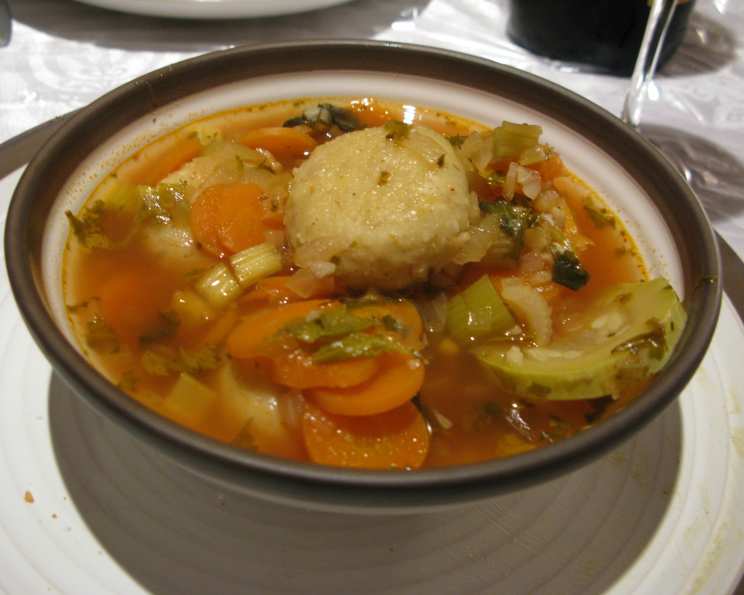
Red Kubbeh Soup: A Hug in a Bowl
My earliest memories of Red Kubbeh Soup are steeped in the comforting warmth of my grandmother’s kitchen. The air would be thick with the sweet, earthy aroma of simmering vegetables and the promise of those delicate, spiced dumplings. She’d hum a soft tune as she carefully rolled each kubbeh, her hands, calloused from years of work, moving with an almost ethereal grace. There was a magic in those moments, a feeling of deep connection to tradition and family that I carry with me to this day. Serving this soup wasn’t just about nourishment; it was an act of love, a tangible expression of care that warmed us from the inside out.
Recipe Overview
- Prep Time: 45 minutes
- Cook Time: 30 minutes
- Total Time: 1 hour 15 minutes
- Servings: 8
- Yield: 16 Kubbeh
- Dietary Type: Kosher
Ingredients
For this hearty and flavorful soup, you’ll need the following:
- Olive oil: For sautéing.
- 1 onion, chopped: The aromatic base of our soup.
- 3 tablespoons tomato paste: Adds depth of flavor and a rich color.
- 3 carrots, cut into rounds: Sweet and grounding.
- 3 zucchini, cut into rounds: Adds a tender, mild vegetable component.
- 2 sweet potatoes, cut into slices: For sweetness and a satisfying heartiness.
- 4 garlic cloves, finely chopped: A pungent and essential flavor enhancer.
- 3 stalks celery & leaves, chopped: Provides a subtle vegetal note and aroma.
- 2 tablespoons chicken soup powder: For that classic savory broth flavor.
- 1 teaspoon paprika: Adds a touch of warmth and color.
- 1 tablespoon sugar: Balances the acidity of the tomato paste.
- 1 teaspoon lemon salt: For a bright, zesty tang.
- 1 teaspoon salt: To taste.
- ½ teaspoon black pepper: For a gentle hint of spice.
- 16 meat or 16 mushrooms, kubbeh: These are the stars of the soup, our delicate dumplings. (If using meat, ensure it’s finely ground. For a vegetarian option, finely chopped mushrooms work wonderfully to mimic the texture).
Equipment Needed
- A large soup pot
- A skillet
- A sharp knife
- A cutting board
- Measuring spoons and cups
- A spoon or ladle for serving
Instructions
- Begin by heating the olive oil in a skillet over medium heat. Add the chopped onion and sauté until it becomes transparent. This process awakens the onion’s natural sweetness and prepares it to meld with other flavors.
- Slowly stir in the tomato paste into the skillet. Continue to heat through for a minute or two, stirring constantly. This step helps to deepen the flavor of the tomato paste and remove any raw, metallic taste.
- Now, prepare the soup base. Fill a soup pot with 2 ½ liters (approximately 10 cups) of water.
- Stir in the tomato and onion mixture from the skillet into the water in the soup pot. Add the prepared vegetables: the carrots, zucchini, sweet potatoes, garlic, and celery.
- Bring the soup to a boil over medium-high heat.
- Once the soup is boiling, stir in the chicken soup powder, paprika, sugar, lemon salt, salt, and black pepper.
- Gently add the 16 kubbeh to the simmering soup. Be careful not to overcrowd the pot if you are making a larger batch.
- Turn down the flame to low, cover the pot partially, and cook for an additional 20-30 minutes, or until the kubbeh are cooked through and the vegetables are tender. The kubbeh will typically float to the surface when they are ready.
Expert Tips & Tricks
- Kubbeh Perfection: If you are making your kubbeh from scratch, ensure the dough is pliable and not too dry. This will prevent cracking during cooking. For a vegetarian option, finely chop mushrooms and sauté them with a little onion and garlic for the filling; this provides a savory depth.
- Vegetable Uniformity: Try to cut your vegetables into roughly uniform sizes. This ensures they cook evenly and make for a more visually appealing soup.
- Flavor Infusion: Don’t rush the sautéing of the onion and tomato paste. This foundational step builds a significant amount of flavor that will permeate the entire soup.
- Broth Adjustment: Taste the soup before adding the kubbeh and adjust seasonings as needed. The salt content from the chicken soup powder can vary.
Serving & Storage Suggestions
Serve this comforting Red Kubbeh Soup piping hot. Ladle generous portions into bowls, ensuring each serving has plenty of vegetables and several delicious kubbeh. A dollop of plain yogurt or a sprinkle of fresh parsley can add a lovely finishing touch.
Leftovers can be stored in an airtight container in the refrigerator for up to 3 days. Reheat gently on the stovetop or in the microwave. If the soup has thickened considerably, you can add a splash of water or broth when reheating. This soup is also freezer-friendly; allow it to cool completely before transferring to freezer-safe containers. It can be stored in the freezer for up to 2 months.
Nutritional Information
| Nutrient | Amount per Serving | % Daily Value |
|---|---|---|
| Calories | 71.3 kcal | N/A |
| Calories from Fat | N/A | 4 % |
| Total Fat | 2 g | 0 % |
| Saturated Fat | 0.1 g | 0 % |
| Cholesterol | 0 mg | 0 % |
| Sodium | 392.1 mg | 16 % |
| Total Carbohydrate | 16.5 g | 5 % |
| Dietary Fiber | 3.3 g | 13 % |
| Sugars | 6.9 g | 27 % |
| Protein | 2.2 g | 4 % |
Note: Nutritional values are approximate and can vary based on specific ingredients and preparation methods. The values for kubbeh itself are not included here and depend on the filling. A single meat kubbeh ball is estimated at 260 calories.
Variations & Substitutions
- Vegetarian/Vegan: As mentioned, substitute the meat kubbeh with finely chopped and sautéed mushrooms. Ensure your chicken soup powder is vegetarian or vegan-friendly.
- Spice it Up: For a touch of heat, add a pinch of cayenne pepper or a finely diced jalapeño to the sautéing onions.
- Herbal Notes: Fresh dill or parsley can be added to the soup during the last 10 minutes of cooking for an extra layer of freshness.
- Deeper Flavor: If you have homemade chicken or vegetable broth, you can use that instead of water for an even richer soup base.
FAQs (Frequently Asked Questions)
Q: Can I use store-bought kubbeh for this recipe?
A: Absolutely! Frozen or fresh store-bought kubbeh are a convenient option and will work perfectly in this soup. Follow the cooking time instructions on the package, but generally, they will cook within the same timeframe.
Q: What is “lemon salt”?
A: Lemon salt, also known as citric acid powder, is a common ingredient in some cuisines, especially in Middle Eastern cooking. It provides a bright, tart flavor similar to lemon juice but in a powdered form. If you can’t find it, a teaspoon of lemon juice added at the end of cooking can offer a similar tang.
Q: How do I know when the kubbeh are fully cooked?
A: Kubbeh are cooked when they float to the surface of the soup. You can also gently pierce one with a fork to ensure the inside is no longer doughy.
Q: Can I make this soup ahead of time?
A: Yes, the soup can be made ahead. However, it’s best to add the kubbeh towards the end of the cooking time just before serving, or cook them separately and add them to individual bowls to prevent them from becoming too soft.
Q: Is this soup spicy?
A: This recipe as written is not spicy, but it has a balanced flavor profile with a slight tang from the lemon salt and warmth from the paprika. You can easily add chili flakes or cayenne pepper if you prefer a spicier soup.
Final Thoughts
Red Kubbeh Soup is more than just a meal; it’s a culinary embrace, a taste of tradition that nourishes both body and soul. This recipe is a testament to simple ingredients coming together to create something truly remarkable. I encourage you to gather your loved ones, share the cooking process, and savor every spoonful. It pairs wonderfully with a simple crusty bread for dipping or a refreshing cucumber and yogurt salad. May your kitchen be filled with warmth and your table with joy as you create this beloved classic.