
The “Icing-In-The Cake” Cake: A Chef’s Ode to Simplicity and Flavor
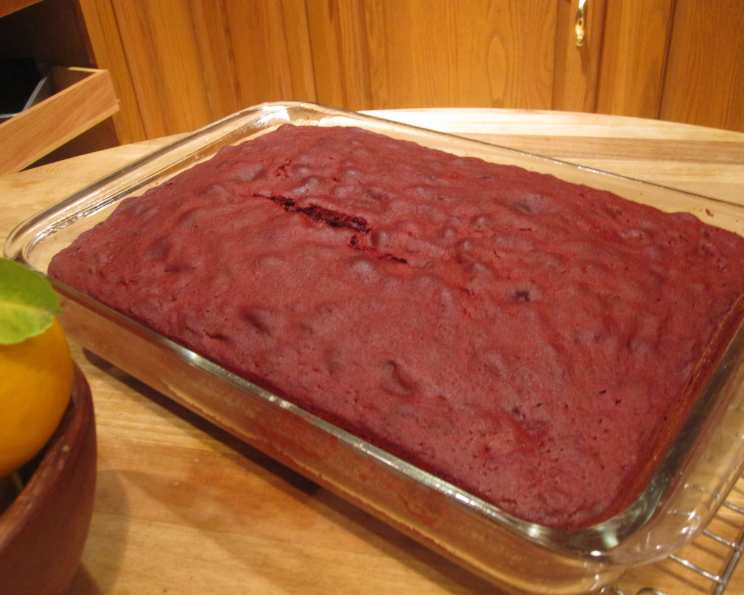
There are certain desserts that, with a single glance, transport me back to a specific time and place, and this “Icing-In-The Cake” Cake is one of them. I vividly recall my grandmother, a woman whose kitchen was always a symphony of simmering pots and cheerful clatter, pulling this very cake from her oven. It wasn’t fancy, not in the way of tiered wedding cakes or elaborate patisserie creations, but it possessed a rustic charm and an undeniable deliciousness that spoke volumes. The aroma that wafted from her Bundt pan, a sweet, buttery perfume, was the signal that a good afternoon was about to get even better, often accompanied by a glass of cold milk and stories that meandered like a winding river.
Recipe Overview
- Prep Time: 15 minutes
- Cook Time: 55-60 minutes
- Total Time: 1 hour 10 minutes to 1 hour 15 minutes (plus cooling time)
- Servings: 12
- Yield: 1 Bundt cake
- Dietary Type: Adaptable (based on cake mix and frosting choices)
Ingredients
This recipe is a testament to how a few simple ingredients can yield a wonderfully satisfying result. Its beauty lies in its inherent flexibility, allowing you to tailor it to your mood or what you have on hand.
- 1 (18-ounce) package cake mix (any flavor)
- 4 eggs
- 1 cup milk
- ½ cup oil
- 1 (16-ounce) can frosting (any flavor)
Equipment Needed
The beauty of this cake is that it requires minimal specialized equipment, making it accessible for bakers of all levels.
- A large mixing bowl
- A whisk or electric mixer
- A Bundt pan
- A wire cooling rack
- A measuring cup
- A measuring spoon (for frosting drizzle, optional)
Instructions
This cake truly lives up to its name by incorporating the frosting directly into the batter, creating a moist, tender crumb and a subtly sweet, integrated flavor.
-
Preheat and Prepare: Begin by preheating your oven to 350 degrees Fahrenheit (175 degrees Celsius). It’s crucial to ensure your oven is at the correct temperature for even baking. Next, grease and flour your Bundt pan thoroughly. This step is non-negotiable for preventing the cake from sticking and ensuring it unmolds beautifully. Pay special attention to all the nooks and crannies of the pan.
-
Combine Wet and Dry Ingredients: In your large mixing bowl, combine the cake mix, eggs, milk, and oil. You’ll want to mix these until they are just blended. Overmixing can develop the gluten in the cake mix too much, leading to a tougher texture.
-
Incorporate the Frosting: Take three-quarters of the frosting from the 16-ounce can and add it to the batter. Mix everything together until it is smoothly blended. Again, resist the urge to overmix; just ensure the frosting is fully incorporated.
-
Pour and Bake: Carefully pour the batter into the prepared Bundt pan. Smooth the top if needed. Place the pan in the preheated oven and bake for 55 to 60 minutes. The baking time can vary slightly depending on your oven, so it’s important to check for doneness.
-
Check for Doneness: To test if the cake is ready, insert a wooden skewer or toothpick into the thickest part of the cake. If it comes out clean, with no wet batter clinging to it, the cake is done. A few moist crumbs are perfectly fine.
-
Cooling and Unmolding: Once baked, carefully remove the Bundt pan from the oven and place it on a wire cooling rack. Allow the cake to cool in the pan for 15 to 20 minutes. This cooling period is essential; it allows the cake to firm up slightly, making it less likely to break when you invert it. After this resting period, unmold the cake by carefully inverting the pan onto the wire rack. Let it cool completely on the rack.
-
Prepare the Drizzle (Optional): While the cake is baking or cooling, you can prepare a simple glaze for an extra touch of sweetness and visual appeal. In a small bowl, mix 2 teaspoons of milk with the remaining frosting. Stir until smooth and pourable.
-
Decorate and Serve: Once the cake has cooled completely, you can drizzle the prepared frosting mixture over the top, allowing it to cascade down the sides of the Bundt pan. Alternatively, you can simply top the cooled cake with powdered sugar or serve it plain.
Expert Tips & Tricks
As a chef, I’m always looking for ways to elevate even the simplest recipes. This cake, while straightforward, can benefit from a few insider tips.
- Room Temperature Ingredients: For the smoothest batter, ensure your eggs and milk are at room temperature. This helps them emulsify better with the other ingredients, leading to a more consistent texture.
- Frosting Temperature: If your frosting is very stiff, you can warm it very gently for a few seconds in the microwave (just enough to soften it, not melt it) before adding it to the batter. This will make it easier to incorporate.
- Bundt Pan Mastery: Don’t skimp on greasing and flouring the Bundt pan. If you’re nervous about sticking, you can also use a baking spray with flour in it. Ensure you get into every crevice.
- Flavor Pairings: The beauty of this cake is its versatility. A chocolate cake mix with a vanilla frosting is a classic, but don’t shy away from bolder combinations like a lemon cake mix with a cream cheese frosting, or a spice cake mix with a caramel frosting.
- For a Richer Drizzle: If you want a more luxurious drizzle, whisk the remaining frosting with a tablespoon or two of heavy cream or melted butter instead of milk.
Serving & Storage Suggestions
This cake is wonderfully versatile, equally at home as a casual afternoon treat or as a simple dessert for guests.
- Serving: Serve slices of this cake at room temperature for the best flavor and texture. It pairs beautifully with a glass of milk, a cup of coffee, or even a dollop of freshly whipped cream. The drizzle adds a lovely visual appeal, but a simple dusting of powdered sugar is also elegant.
- Storage: This cake is best stored at room temperature in an airtight container or wrapped tightly in plastic wrap for up to 2-3 days. If you live in a very warm climate or if your frosting is particularly rich, you might opt for refrigerating it, but allow it to come to room temperature before serving for optimal taste and texture. It does not freeze particularly well due to the frosting incorporation.
Nutritional Information
The nutritional profile of this cake can vary significantly based on the specific cake mix and frosting flavors chosen. Here’s an approximate breakdown per serving:
| Nutrient | Amount per Serving (approximate) | % Daily Value (approximate) |
|---|---|---|
| Calories | 457.7 kcal | – |
| Calories from Fat | – | 199 g |
| Total Fat | 22.2 g | 34 % |
| Saturated Fat | 4 g | 19 % |
| Cholesterol | 64.8 mg | 21 % |
| Sodium | 387.8 mg | 16 % |
| Total Carbohydrate | 60.2 g | 20 % |
| Dietary Fiber | 0.4 g | 1 % |
| Sugars | 47.3 g | 189 % |
| Protein | 4.7 g | 9 % |
Note: These values are estimates and will change based on the specific brands and types of cake mix and frosting used.
Variations & Substitutions
The “Icing-In-The Cake” Cake is a fantastic canvas for creativity. Here are a few ideas to get you started:
- Gluten-Free: Use a gluten-free cake mix to make the cake suitable for those with gluten sensitivities.
- Dairy-Free: Opt for a dairy-free cake mix, and use a plant-based milk (like almond, soy, or oat milk) and a dairy-free frosting for a completely dairy-free version.
- Citrus Twist: Use a lemon or orange cake mix and pair it with a cream cheese frosting for a bright, zesty flavor.
- Chocolate Lover’s Dream: Combine a chocolate cake mix with a chocolate frosting, perhaps even adding a few chocolate chips to the batter for an extra decadent treat.
- Spice It Up: A spice cake mix with a maple or caramel frosting would be delightful, especially during the autumn months.
FAQs (Frequently Asked Questions)
Q: Why is this cake called “Icing-In-The Cake”?
A: It’s named this because a significant portion of the frosting is mixed directly into the cake batter, creating an unusually moist and flavorful cake.
Q: Can I use homemade frosting for this recipe?
A: While the recipe calls for canned frosting for simplicity, you can certainly use your favorite homemade frosting. Ensure it has a similar consistency to canned frosting; if it’s too stiff or too thin, you may need to adjust the other liquid ingredients slightly.
Q: My cake is sticking to the Bundt pan. What did I do wrong?
A: The most common reason for sticking is insufficient greasing and flouring of the pan. Make sure every nook and cranny is coated well. Allowing the cake to cool in the pan for the specified 15-20 minutes before inverting is also crucial.
Q: How do I prevent the cake from being dry?
A: Avoid overmixing the batter and overbaking the cake. Using room temperature ingredients and following the baking time and temperature guidelines closely will help ensure a moist crumb.
Q: Can I use a different type of pan for this cake?
A: While designed for a Bundt pan, you could theoretically bake this in a greased and floured 9×13 inch baking pan or two 8 or 9 inch round cake pans. Adjust the baking time accordingly, checking for doneness more frequently.
Final Thoughts
This “Icing-In-The Cake” Cake is a heartwarming reminder that sometimes, the most beloved recipes are the ones that are unpretentious and delightfully easy. It’s a cake that welcomes every level of baker, offering a forgiving and rewarding experience. Whether you’re whipping it up for a family gathering, a potluck, or just a quiet afternoon indulgence, its inherent deliciousness is sure to bring smiles. I encourage you to experiment with different cake mix and frosting flavor combinations – the possibilities truly are endless, and each one promises a unique and satisfying treat. Enjoy the process, and savor every crumb!