
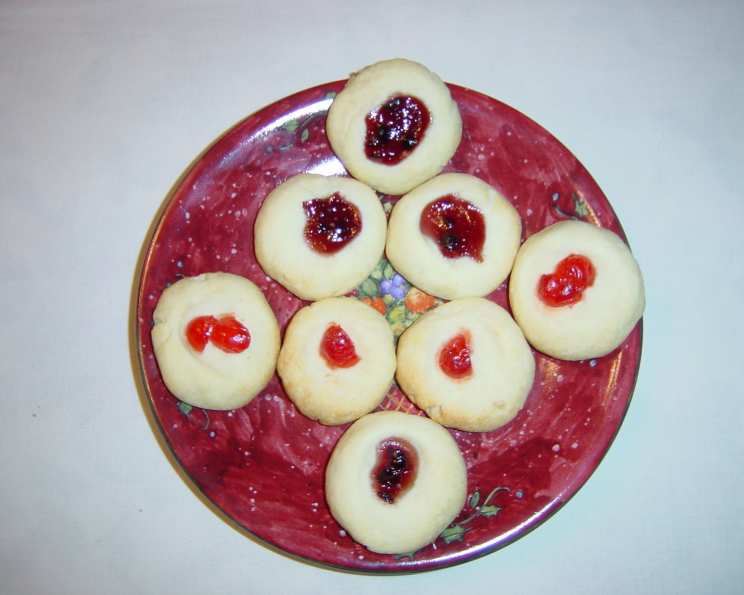
A Taste of Nostalgia: Mrs. Field’s Russian Tea Cakes
The scent of warm butter and toasted nuts has always been synonymous with comfort in my kitchen, especially during the holidays. I recall a particular Christmas, years ago, when I stumbled upon a recipe for Russian Tea Cakes in “The Mrs. Field’s Cookie Book.” Instead of my usual, more robust shortbread, I decided to try these delicate, melt-in-your-mouth wonders. The first bite was pure magic – a delicate crispness yielding to an almost ethereal crumb, dusted with sweet powdered sugar. They quickly became a beloved alternative, a little jewel of sweetness that embodied the quiet joy of the season.
Recipe Overview
- Prep Time: 15 minutes
- Cook Time: 15-20 minutes
- Total Time: 30-35 minutes (plus cooling)
- Servings: 24 cookies
- Yield: 24 cookies
- Dietary Type: Vegetarian
Ingredients
Here’s what you’ll need to create these delightful little treasures:
For the Cookies:
- 1 cup butter, softened
- 1/2 cup confectioners’ sugar
- 2 teaspoons vanilla extract
- 2 cups all-purpose flour
For the Topping:
- 1/2 cup fruit preserves (raspberry or apricot are wonderful choices)
- 1/2 cup chopped walnuts
- 1/4 cup confectioners’ sugar, for dusting
Equipment Needed
To bring these cookies to life, you’ll want to have the following on hand:
- Electric mixer (stand mixer or hand mixer)
- Large mixing bowl
- Measuring cups and spoons
- Spatula
- Small spoon
- Baking sheets
- Wire cooling rack
Instructions
Follow these steps carefully to achieve perfectly delicate Russian Tea Cakes:
- Preheat Your Oven: Begin by preheating your oven to 325°F (160°C). This moderate temperature is key to achieving that tender texture without browning them too quickly.
- Cream the Butter and Sugar: In a large bowl, cream together the softened butter and confectioners’ sugar using an electric mixer. Beat them together until the mixture is light and fluffy. This process incorporates air, contributing to the cookie’s delicate texture.
- Add the Vanilla: Add the vanilla extract to the creamed butter and sugar mixture. Continue to mix, making sure to scrape down the sides of the bowl as needed to ensure everything is thoroughly combined.
- Incorporate the Flour: Gradually blend in the flour, mixing on low speed until it is thoroughly combined and a cohesive dough forms. Be careful not to overmix at this stage, as it can develop the gluten too much and result in tougher cookies.
- Shape the Dough Balls: Take tablespoonfuls of dough and roll them into small balls about 1 inch in diameter. Aim for consistency in size so they bake evenly.
- Arrange on Baking Sheets: Place the dough balls on lightly greased cookie sheets, leaving about 1 inch of space between each ball. This allows them room to spread slightly without touching.
- Create the Depression: Using the back of a small spoon, press down the center of each ball to form a distinct depression. This little well will be the perfect vessel for our delicious topping.
- Add the Topping: Carefully fill each depression with a teaspoonful of preserves or chopped walnuts. You can choose to use just preserves, just nuts, or a combination of both – get creative with your favorite flavors!
- Bake to Golden Perfection: Bake for 15-20 minutes, or until the edges of the cookies are golden brown. Keep an eye on them, as ovens can vary. The goal is a delicate golden hue, not a deep brown.
- Cool the Cookies: Once baked, transfer the cookies immediately to a cool, flat surface, such as a wire cooling rack. Allowing them to cool completely is crucial before the final dusting.
- Dust with Confectioners’ Sugar: When the cookies are cooled, dust them lightly with confectioners’ sugar. A gentle sifting will give them that signature snowy, elegant finish.
Expert Tips & Tricks
As a chef, I always look for ways to elevate even the simplest recipes. Here are a few insights for your Russian Tea Cakes:
- Butter Temperature is Key: Ensure your butter is truly softened, not melted. It should yield to gentle pressure but still hold its shape. This is critical for proper creaming and achieving the right dough consistency.
- Don’t Overwork the Dough: Once the flour is added, mix just until combined. Overmixing develops gluten, leading to tougher cookies. A tender crumb is the hallmark of a great Russian Tea Cake.
- Uniform Ball Size: Try to make your dough balls as uniform in size as possible. This ensures they bake evenly, preventing some from burning while others are still underdone.
- Preserve Consistency: If your preserves are very thick, you can thin them slightly with a tiny splash of water or lemon juice to make them easier to spoon into the depressions.
- Nut Toasting (Optional but Recommended): For an extra layer of flavor, lightly toast your walnuts before chopping. This brings out their nutty aroma and intensifies their taste. Spread them on a baking sheet and toast in a 350°F (175°C) oven for 5-7 minutes, watching them carefully to prevent burning.
- The Dusting Technique: For a beautifully even dusting of confectioners’ sugar, use a fine-mesh sieve. A gentle shake will distribute the sugar like a delicate snowfall.
Serving & Storage Suggestions
These delicate Russian Tea Cakes are best enjoyed at room temperature. Their light texture makes them a perfect accompaniment to a cup of hot tea, coffee, or even a glass of milk. They are also delightful as part of a holiday cookie platter, adding a touch of elegance and a unique flavor profile.
For storage, keep the cooled and dusted cookies in an airtight container at room temperature for up to 3-4 days. They tend to soften slightly over time due to the confectioners’ sugar, which can be a pleasant change in texture for some. If you find they’ve become too soft, you can briefly place them on a baking sheet in a 300°F (150°C) oven for a few minutes to crisp them up again. They do not typically freeze well due to their delicate nature and the powdered sugar coating, which can become clumpy when thawed.
Nutritional Information
(Please note: This is an estimated nutritional breakdown and can vary based on specific ingredients and brands used.)
| Nutrient | Amount per Serving | % Daily Value |
|---|---|---|
| Calories | 155.8 kcal | |
| Calories from Fat | 84 g | |
| Total Fat | 9.4 g | 14 % |
| Saturated Fat | 5 g | 25 % |
| Cholesterol | 20.3 mg | 6 % |
| Sodium | 56.9 mg | 2 % |
| Total Carbohydrate | 16.7 g | 5 % |
| Dietary Fiber | 0.5 g | 2 % |
| Sugars | 7 g | 28 % |
| Protein | 1.6 g | 3 % |
Variations & Substitutions
While the classic recipe is divine, there’s always room for a personal touch:
- Citrus Zest: Add 1 teaspoon of finely grated lemon or orange zest to the dough for a bright, refreshing twist.
- Spice It Up: A pinch of cinnamon or nutmeg in the dough can add a warm, comforting note, especially during cooler months.
- Nut Alternatives: If walnuts aren’t your preference, try finely chopped pecans, almonds, or even macadamia nuts. For a nut-free option, simply omit the nuts in the topping and use extra preserves.
- Chocolate Drizzle: For an extra indulgent touch, once the cookies have cooled and been dusted, drizzle them with melted dark or white chocolate.
- Jam Variations: Experiment with different fruit preserves! Strawberry, apricot, cherry, or even a fig jam can offer unique flavor profiles.
FAQs
Q: Why are my cookies spreading too much?
A: This can happen if your butter is too soft or melted, or if the dough is overmixed after adding the flour. Ensure your butter is properly softened but not liquid, and mix the flour in just until combined.
Q: Can I make these ahead of time?
A: The dough can be made ahead and chilled for up to 2 days. Roll and bake them just before serving for the freshest texture. The baked cookies, once cooled and dusted, can be stored in an airtight container at room temperature for a few days.
Q: What is the best way to press the depression in the cookies?
A: A small spoon is ideal. Press gently and evenly to create a well that holds the topping without breaking through the bottom of the cookie.
Q: My preserves are leaking out of the cookies while baking. What did I do wrong?
A: Ensure you are not overfilling the depressions. A teaspoonful is usually sufficient. Also, baking at the correct temperature is important; too high a temperature can cause the preserves to bubble over.
Q: Can I use regular sugar instead of confectioners’ sugar?
A: For the dough, it’s best to stick with confectioners’ sugar as it creates a finer, more tender crumb. For dusting, confectioners’ sugar is also essential for that signature soft, powdery finish.
A Sweet Conclusion
These Russian Tea Cakes are more than just a cookie; they are a whisper of a bygone era, a testament to the simple pleasures of well-made sweets. They embody the joy of a home filled with the aroma of baking, and the delight of sharing something truly special with loved ones. I encourage you to try this recipe, to infuse your own kitchen with their delicate charm. Whether you serve them with your favorite afternoon tea or as a sweet ending to a festive meal, I’m confident they will bring a little bit of magic to your table. And when you do, I’d love to hear about your experience!