
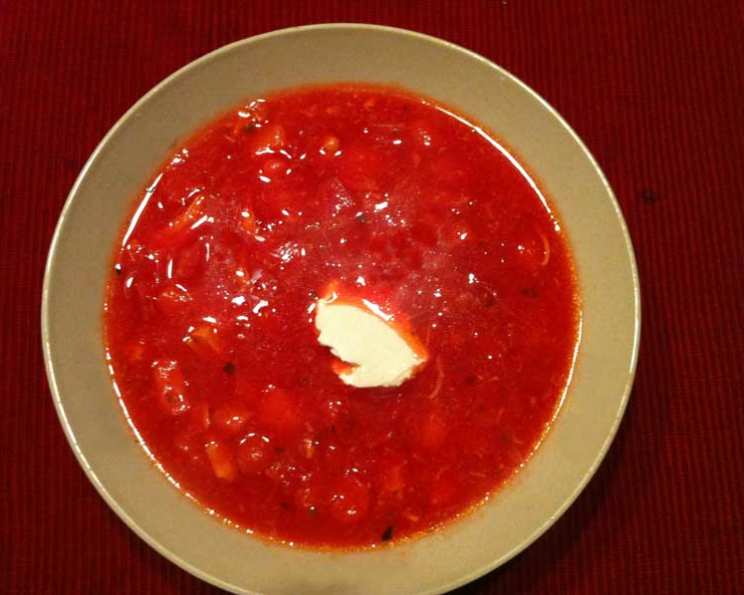
A Bowl of Soul: My Heartwarming Journey with Authentic Russian Borscht
My earliest, most vivid culinary memories of borscht are tied to a dear friend, Elena, who hailed from Moscow. She’d regale me with tales of grandmothers meticulously tending bubbling pots, each a repository of family secrets and generations of love. One crisp autumn afternoon, Elena gifted me a worn, handwritten card bearing what she called “a true Russian borsh recipe,” a treasure she’d been entrusted with. That first ladleful, a symphony of earthy beets, tender beef, and fragrant broth, was more than just soup; it was a taste of her homeland, a hug in a bowl that has since become a cornerstone in my own kitchen repertoire.
Recipe Overview
- Prep Time: 2 hours (includes meat cooking time)
- Cook Time: 30 minutes (for vegetables)
- Total Time: 2 hours 30 minutes
- Servings: 5-8
- Yield: Approximately 8-10 cups
- Dietary Type: Contains Beef
Ingredients
The beauty of borscht lies in its rustic simplicity and the transformative power of its core ingredients. Here’s what you’ll need to create this deeply satisfying soup:
- 1 pound beef tenderloin steak
- 3 medium carrots, chopped
- 3 medium onions, chopped
- 2 large beets
- 3 medium potatoes, cut into bite-sized pieces
- 1 small head of cabbage, shredded or thinly sliced
- Water or beef broth (for cooking meat and as the soup base)
- Salt, to taste
- Black pepper, to taste
- Sour cream, for serving (optional, but highly recommended)
Equipment Needed
- Large pot or Dutch oven (for cooking the beef and assembling the soup)
- Small skillet (for sautéing onions and carrots)
- Tongs (for handling the cooked beef)
- Grater (for shredding beets)
- Cutting board
- Sharp knife
Instructions
Crafting a truly authentic borscht is a labor of love, and this recipe guides you through each step with care, ensuring a rich, flavorful result.
- Tenderize the Beef: Begin by placing the 1-pound beef tenderloin steak in your large pot or Dutch oven. Cover the beef generously with water or beef broth. Bring this to a boil over medium-high heat, then reduce the heat to low, cover, and let it simmer for 2 hours, or until the beef is exceptionally tender. Keep an eye on the liquid level; if it diminishes significantly, add more water or broth along the way to keep the beef submerged.
- Prepare the Beef: Once the beef is tender, carefully remove it from the pot using tongs. Set it aside on a clean plate or cutting board to cool slightly. While the beef cools, you can reserve the rich cooking liquid for the soup base.
- Sauté the Aromatics: While the beef is cooling, place a small skillet over medium heat. Add a tablespoon or two of oil (if desired, or use a bit of the reserved cooking fat from the beef). Add the chopped onions and carrots to the skillet. Sauté them until the onions are translucent and the carrots have softened slightly, about 5-7 minutes. Once cooked, set this sautéed mixture aside.
- Prepare the Beets: Take the 2 large beets and boil them in the reserved beef broth/water from cooking the beef until they are fork-tender. This typically takes about 30-45 minutes, depending on their size. Once tender, remove the beets from the liquid and set them aside to cool slightly.
- Shred and Combine: Once the beef is cool enough to handle, shred it into bite-sized pieces using your fingers or two forks. In a separate bowl, shred the cooked beets using a grater.
- Assemble the Soup: Now, it’s time to bring all the components together. Add the shredded beef, the shredded beets, the sautéed onion and carrot mixture, the cut-up raw potatoes, and the shredded cabbage directly into the pot containing the reserved beef broth/water.
- Simmer and Cook: Bring the mixture back to a boil over medium-high heat. Once boiling, reduce the heat to low, cover, and simmer for approximately 30 minutes, or until the potatoes are tender when pierced with a fork.
- Season to Taste: This is a crucial step for personalizing your borscht. Add salt and black pepper according to your taste. Stir well to ensure the seasonings are evenly distributed.
- Serve: Ladle the hot borscht into bowls. For an authentic and delightful touch, serve each bowl with a generous dollop of sour cream.
Expert Tips & Tricks
- Broth is King: For an even richer flavor, consider using homemade beef broth instead of water for cooking the beef. It adds an incredible depth that truly elevates the borscht.
- Beet Prep Patience: Boiling the beets separately ensures their vibrant color permeates the entire soup without making everything a muddy brown. Grating them while warm makes the process easier.
- Cabbage Crunch: If you prefer a bit of texture from your cabbage, add it towards the last 15 minutes of the simmering time. For a softer texture, add it with the other raw vegetables.
- Make it Ahead: Borscht, like many hearty stews, often tastes even better the next day as the flavors have more time to meld. Prepare it a day in advance for a truly deep flavor profile.
Serving & Storage Suggestions
Borscht is a hearty, complete meal in itself. Serve it piping hot, garnished with a generous swirl of sour cream and perhaps a sprinkle of fresh dill or parsley if you have it on hand. A slice of crusty rye bread is the perfect accompaniment for soaking up every last drop of the flavorful broth.
Leftovers can be stored in an airtight container in the refrigerator for up to 3-4 days. To reheat, gently warm it on the stovetop over medium-low heat, adding a splash more broth or water if it has thickened too much. Avoid boiling vigorously once reheated.
Nutritional Information
Here is an estimated nutritional breakdown for a serving of this delicious borscht:
| Nutrient | Amount per Serving | % Daily Value |
|---|---|---|
| Calories | 417.2 kcal | |
| Calories from Fat | 152 kcal | |
| Total Fat | 17 g | 26% |
| Saturated Fat | 6.8 g | 33% |
| Cholesterol | 77.1 mg | 25% |
| Sodium | 137.4 mg | 5% |
| Total Carbohydrate | 44.3 g | 14% |
| Dietary Fiber | 9.3 g | 37% |
| Sugars | 13.3 g | 53% |
| Protein | 23.9 g | 47% |
Note: Nutritional information is an estimate and can vary based on specific ingredients and portion sizes.
Variations & Substitutions
While this recipe adheres to a classic approach, borscht is wonderfully versatile.
- Vegetarian/Vegan Option: For a meat-free version, omit the beef and use a rich vegetable broth as your base. You might want to add extra root vegetables like parsnips or celery for added depth.
- A Touch of Acidity: Some recipes call for a splash of vinegar or lemon juice towards the end of cooking to brighten the flavors. This is a wonderful addition if you enjoy a tangier soup.
- Root Vegetable Variety: Feel free to experiment with other root vegetables like parsnips or turnips, adding them alongside the potatoes.
FAQs
Q: Why is the beef cooked for so long?
A: The extended cooking time is essential to ensure the beef becomes incredibly tender, allowing it to be easily shredded and incorporated into the soup, adding a rich, meaty flavor.
Q: Can I use canned beets instead of fresh?
A: While fresh beets offer the best flavor and color, you can use canned beets in a pinch. Drain them, shred them, and add them during the final 15-20 minutes of simmering to avoid them becoming too mushy.
Q: My borscht color seems a bit dull. How can I make it more vibrant?
A: Boiling the beets separately and adding them later in the process helps maintain their brilliant color. Adding a touch of acidity, like vinegar or lemon juice, towards the end can also help preserve the red hue.
Q: How can I make my borscht thicker?
A: The potatoes and cabbage naturally thicken the soup as they cook. If you desire a thicker consistency, you can mash a few of the cooked potatoes against the side of the pot before serving, or add a small amount of tomato paste during the sautéing stage.
Q: Is borscht always served with sour cream?
A: While sour cream is the traditional and most popular accompaniment, some enjoy it with a dollop of plain yogurt or a swirl of crème fraîche.
Final Thoughts
This Russian borscht is more than just a recipe; it’s an invitation to slow down, savor the process, and connect with the comforting warmth of a classic dish. Each spoonful is a testament to the power of simple ingredients transformed by time and care. I encourage you to embrace the aroma filling your kitchen, to gather loved ones around your table, and to share in the soulful delight of this extraordinary soup. May it bring as much joy and warmth to your home as it has to mine.