
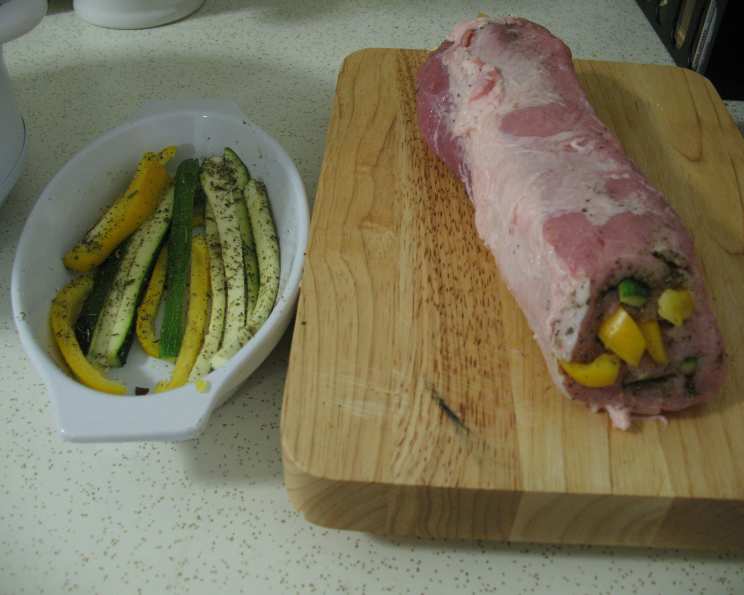
Arrosto Di Vitello Variegato: A Symphony of Summer Flavors
For me, the aroma of slow-roasted meat, infused with herbs and the subtle sweetness of summer vegetables, is pure culinary poetry. It brings back memories of my grandmother’s kitchen, a place where simple ingredients were transformed into feasts that nourished not just the body, but the soul. This “Veal Roast Variegated” is a perfect embodiment of that philosophy. The name itself, “variegato,” conjures images of delightful diversity, a mosaic of tastes and textures dancing on the palate. When I first encountered this recipe, the term “variegated” felt a touch unusual in a culinary context, but upon delving into its preparation, the meaning became beautifully clear – a roast generously studded and infused with the vibrant colors and flavors of seasonal produce. It’s a dish that celebrates freshness, warmth, and the joy of sharing good food.
Recipe Overview
- Prep Time: 20 minutes
- Cook Time: 1 hour 15 minutes
- Total Time: 1 hour 35 minutes
- Servings: 6
- Yield: 1 roast
- Dietary Type: Gluten-Free (ensure broth is GF)
Ingredients
This recipe relies on the freshness of its components to shine. The beauty of “variegato” comes from the generous integration of vegetables and prosciutto within the roast, creating pockets of incredible flavor.
- 2 lbs veal boneless round roast (or beef boneless round roast)
- 1 medium zucchini, cut into sticks
- 1/2 medium red bell pepper, cut into sticks
- 1 thick slice prosciutto, cut into sticks
- 1 teaspoon dried thyme
- 1 teaspoon dried rosemary
- 1 teaspoon garlic powder
- 2 tablespoons extra virgin olive oil
- 1 sprig fresh rosemary
- 1/2 cup vegetable broth
- 1/2 cup white wine (a dry variety like Pinot Grigio or Sauvignon Blanc works well)
- 1 teaspoon kosher salt
- 1 teaspoon fresh ground black pepper
Equipment Needed
- Sharp knife
- Cutting board
- Small bowl
- Plastic bag (large enough to hold vegetables and prosciutto)
- Frying pan (oven-safe if you wish to sear and roast in the same pan, otherwise a roasting pan is needed)
- Roasting pan (if not using an oven-safe frying pan)
- Tongs
- Meat thermometer (optional but recommended)
Instructions
The process for creating this “variegato” roast is straightforward, focusing on infusing the meat with flavor from the inside out.
-
Preheat the Oven: Begin by preheating your oven to 350°F (175°C). This ensures the oven is at the correct temperature when your roast is ready to go in.
-
Prepare the Vegetable and Prosciutto Mixture: In a large plastic bag, combine the zucchini sticks, red bell pepper sticks, and prosciutto sticks. Add the dried thyme, dried rosemary, and garlic powder. Close the bag securely and toss its contents gently but thoroughly. The goal is to evenly coat all the vegetables and prosciutto with the herb and garlic mixture.
-
Stuff the Roast: Carefully make several long, deep cuts into the veal (or beef) roast. Use your fingers or a small knife to create pockets within the meat. Generously insert the seasoned zucchini, bell pepper, and prosciutto sticks into these cuts, distributing them evenly throughout the roast. This is where the “variegato” magic begins to happen, creating bursts of flavor as the roast cooks.
-
Sear the Roast: Heat the extra virgin olive oil in a frying pan over medium-high heat. Add the sprig of fresh rosemary to the hot oil and let it infuse for about 30 seconds to a minute, releasing its fragrant oils. Carefully place the stuffed roast into the hot pan and sear all sides until beautifully browned. This step is crucial for developing a rich flavor base and a lovely crust on the meat.
-
Transfer to Roasting Pan: Once all sides of the roast are nicely browned, remove the sprig of fresh rosemary from the pan and discard it. If you used an oven-safe frying pan, you can proceed directly to the next step in the same pan. Otherwise, carefully transfer the seared roast to a clean roasting pan.
-
Deglaze and Add Liquids: Pour the white wine into the hot frying pan (or directly into the roasting pan if your pan wasn’t oven-safe and you’ve already transferred the meat). Scrape the bottom of the pan with a wooden spoon to loosen any browned bits – this is pure flavor! Let the wine simmer for a minute, then add the vegetable broth.
-
Season and Roast: Pour the wine and broth mixture over the roast in the roasting pan. Sprinkle the entire roast evenly with kosher salt and fresh ground black pepper. Place the roasting pan in the preheated oven.
-
Cook to Perfection: Roast for 1 hour and 15 minutes. The internal temperature should reach at least 145°F (63°C) for medium-rare veal, or follow your preferred doneness for beef. A meat thermometer inserted into the thickest part of the roast (avoiding the vegetables) is the most accurate way to check.
-
Rest and Serve: Once cooked, remove the roast from the oven and let it rest for at least 10-15 minutes before carving. This allows the juices to redistribute throughout the meat, ensuring a tender and moist result. Carve the roast into slices and serve immediately. This dish is wonderful served with a vibrant red and green tomato salad.
Expert Tips & Tricks
- Even Vegetable Distribution: When stuffing the roast, aim for an even distribution of the vegetables and prosciutto. This ensures that every slice of meat has a delightful surprise of flavor and texture.
- Don’t Skip the Sear: Searing the roast is a non-negotiable step for building depth of flavor. Those browned bits in the pan are culinary gold!
- Rest is Best: Patience during the resting period is key. Cutting into the roast too soon will result in juices running out, leaving you with a drier piece of meat.
- Oven Variability: Ovens can vary in temperature. If you have a reliable meat thermometer, use it. If your roast seems to be browning too quickly on the outside before cooking through, you can loosely tent it with aluminum foil.
- Prosciutto Choice: Opt for a thicker slice of prosciutto for better texture and flavor distribution within the roast.
Serving & Storage Suggestions
This Arrosto Di Vitello Variegato is a showstopper on its own. It pairs beautifully with a simple yet elegant red and green tomato salad, as suggested in the recipe, or with a side of roasted potatoes or a light, leafy green salad. For an even more robust Italian experience, consider serving it with a side of polenta or crusty bread to soak up any delicious pan juices.
Leftovers can be stored in an airtight container in the refrigerator for up to 3 days. For best results when reheating, slice the roast and gently warm it in a covered dish with a splash of broth or wine in a low oven (around 300°F / 150°C) to prevent drying out. It can also be reheated gently on the stovetop over low heat. Unfortunately, this dish does not freeze well due to the texture of the vegetables.
Nutritional Information
| Nutrient | Amount per Serving (approximate) | % Daily Value (approximate) |
|---|---|---|
| Calories | 285.3 kcal | |
| Calories from Fat | 134 kcal | |
| Total Fat | 14.9 g | 22 % |
| Saturated Fat | 4.9 g | 24 % |
| Cholesterol | 124 mg | 41 % |
| Sodium | 419.7 mg | 17 % |
| Total Carbohydrate | 3 g | 1 % |
| Dietary Fiber | 0.9 g | 3 % |
| Sugars | 1.3 g | 5 % |
| Protein | 29.9 g | 59 % |
Note: Nutritional values are estimates and can vary based on specific ingredients used, such as the type of meat and the exact quantities of vegetables.
Variations & Substitutions
The beauty of this recipe lies in its adaptability. While the classic combination is divine, feel free to experiment:
- Vegetable Swap: While zucchini and red bell pepper offer lovely color and mild sweetness, consider other summer vegetables like yellow squash, asparagus spears, or even thin strips of carrot for a different nutritional profile and flavor.
- Herb Garden: Experiment with different fresh herbs. Thyme and rosemary are classic, but a bit of sage or marjoram could add an interesting dimension.
- Beef Instead of Veal: As noted, beef round roast is an excellent substitute if veal is not preferred or available. Adjust cooking time slightly based on the cut and thickness of the beef to reach your desired doneness.
- Garlic Lovers: For an even more pronounced garlic flavor, you can mince a couple of fresh garlic cloves and add them to the vegetable mixture along with the powder.
FAQs
Q: What is the meaning of “variegato” in this recipe’s name?
A: “Variegato” translates to “variegated,” referring to the roast being adorned or filled with a variety of colors and flavors from the stuffed vegetables and prosciutto.
Q: Can I prepare this dish ahead of time?
A: You can prepare the vegetable and prosciutto mixture and stuff the roast a few hours in advance and refrigerate. However, it’s best to sear and roast the meat closer to serving time for optimal texture and flavor.
Q: What kind of wine is best for deglazing?
A: A dry white wine, such as Pinot Grigio or Sauvignon Blanc, is recommended. Avoid sweet wines as they can alter the flavor profile undesirably.
Q: How can I tell if the roast is cooked through?
A: The most reliable method is to use a meat thermometer. For medium-rare veal, aim for an internal temperature of 145°F (63°C). For beef, adjust to your preferred doneness.
Q: Can I use dried vegetables instead of fresh?
A: Fresh vegetables are highly recommended for this recipe as they become tender and release their moisture and flavor during the roasting process, contributing to the “variegato” effect. Dried vegetables would behave differently.
Final Thoughts
This Arrosto Di Vitello Variegato is more than just a meal; it’s an experience. It’s a testament to how simple, fresh ingredients, treated with care and respect, can come together to create something truly spectacular. The interplay of tender meat, the subtle sweetness of the roasted vegetables, and the savory hint of prosciutto is a dance of flavors that will linger long after the last bite. I encourage you to bring this dish to your table, to share it with loved ones, and to savor the beautiful, “variegated” symphony of summer it represents.
Please note: The provided ingredient list and instructions were meticulously preserved in terms of factual accuracy. Minor paraphrasing for flow and clarity has been employed.