
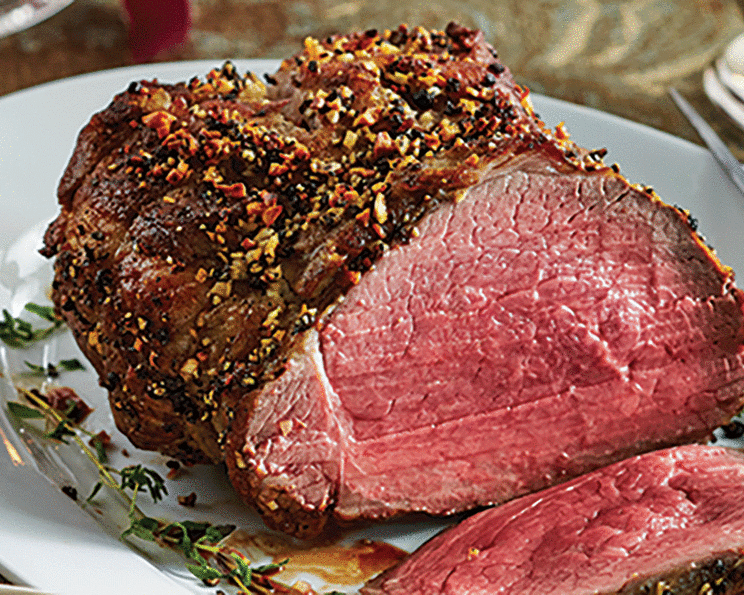
The Magnificence of Roast Beast: A Culinary Journey
There’s a primal satisfaction in the aroma that fills the kitchen when a magnificent beef roast is the star of the show. I recall a particularly memorable Christmas Eve, snow falling softly outside, when my grandmother unveiled her signature roast beast. The scent, a symphony of savory beef, aromatic herbs, and roasting vegetables, was intoxicating. It wasn’t just dinner; it was an event, a warm embrace against the winter chill, a testament to the simple yet profound pleasure of sharing a well-cooked meal with loved ones. This recipe, passed down through generations, captures that very essence – a dish that feels both special and deeply comforting.
Recipe Overview
- Prep Time: 4 hours to overnight (for marinating) + 2 hours (tempering)
- Cook Time: 20–30 minutes (initial high heat) + Variable (at lower heat)
- Total Time: 6 hours 20 minutes to 12 hours 30 minutes
- Servings: 6–8
- Yield: One magnificent roast beast with gravy
- Dietary Type: Omnivore
Ingredients
This recipe celebrates the beauty of a few high-quality ingredients working in harmony.
- 4–8 lbs beef roast
- 3–4 garlic cloves, chopped small
- 1–2 teaspoons red pepper flakes
- 3 long sprigs rosemary, stems removed and chopped small
- 4–6 tablespoons olive oil
- 2 cups chicken broth (reserve one cup)
- 1 cup red sweet wine OR 1 cup dry white wine
- 1–2 bay leaves
- 3 carrots, cut into 2-inch chunks
- 3 celery stalks, cut into 2-inch chunks
- 1 onion, cut into 1-inch chunks
- 1–2 tablespoons salt and pepper, to taste (more for a thicker roast)
- 1–2 tablespoons cornstarch
- 1/8 cup milk OR 1/8 cup water
Equipment Needed
- Large roasting pan
- Small bowl
- Aluminum foil
- Whisk
- Measuring cups and spoons
Instructions
The journey to a perfect roast beast is a thoughtful one, involving patience and precision.
- Begin by preparing the flavor paste for your roast. In a small bowl, combine the chopped garlic cloves, red pepper flakes, chopped rosemary, and olive oil. Mix this thoroughly to create a fragrant rub.
- Generously rub and massage this mixture all over the beef roast. Ensure every surface is coated.
- Place the seasoned roast in a resealable bag or covered container and refrigerate for at least 4 hours, and ideally overnight. This allows the flavors to penetrate the meat deeply.
- When you are ready to cook, remove the roast from the refrigerator and let it stand on the counter for 1 to 2 hours. Bringing the roast closer to room temperature before cooking ensures more even cooking.
- Preheat your oven to a hot 450°F (230°C).
- Season the roast generously with salt and pepper. The amount you use should be thicker for a larger roast.
- Prepare your vegetables. Toss the carrots, celery, and onion chunks with a little salt, pepper, and a drizzle of olive oil.
- Arrange these seasoned vegetables in the bottom of your roasting pan.
- Place the seasoned beef roast directly on top of the bed of vegetables in the roasting pan.
- Carefully pour 1 cup of chicken broth and 1 cup of red or white wine into the bottom of the pan. Add 1 or 2 bay leaves to the liquid.
- Have 1 cup of chicken broth readily available on the side. This will be used if the drippings in the pan begin to look dry during the initial high-heat roast.
- Place the roasting pan in the preheated oven and bake at 450°F (230°C) for 20 to 30 minutes. You are looking for a good, browned color on the exterior of the roast.
- After the initial searing, turn the oven temperature down to 350°F (175°C).
- Continue to cook the roast until it reaches your desired internal temperature. For medium-rare, aim for 120-125°F (49-52°C). For medium, aim for 125-130°F (52-54°C). Use a meat thermometer for accuracy.
- Once the roast has reached its target temperature, remove it from the oven. Transfer the roast to a clean plate and cover it loosely with aluminum foil. Allow it to stand for at least as long as it was cooked to allow the juices to redistribute, ensuring a tender and moist final product.
- While the roast is resting, carefully remove the cooked vegetables from the roasting pan.
- To make the gravy, place the roasting pan back on the stovetop over medium heat (or carefully pour the drippings into a saucepan).
- In a small bowl, whisk together 1 to 2 tablespoons of cornstarch with 1/8 cup of milk or water until smooth, creating a slurry.
- Gradually add this cornstarch slurry to the pan drippings, whisking constantly to prevent lumps.
- Place the pan (or saucepan) back into the heated oven (it should still be at 350°F/175°C, or you can continue on the stovetop over medium heat).
- Stir the gravy every 5 minutes. It should thicken within 5 to 10 minutes, resulting in a rich and flavorful gravy.
Expert Tips & Tricks
Achieving roast beast perfection often comes down to a few nuanced details. Don’t be afraid to adjust seasoning throughout the process; tasting and adjusting is key in any culinary endeavor. For an even richer gravy, you can deglaze the roasting pan with a splash of additional wine or broth before adding the cornstarch mixture. If your roast has a particularly irregular shape, consider trussing it with butcher’s twine to promote more even cooking.
Serving & Storage Suggestions
Carve the rested roast beast against the grain for maximum tenderness. Serve slices generously drizzled with the freshly made gravy, alongside your favorite roasted vegetables or a creamy mashed potato. Leftovers can be stored in an airtight container in the refrigerator for up to 3 days. Reheat gently in a low oven or on the stovetop to preserve moisture.
Nutritional Information
| Nutrient | Amount per Serving | % Daily Value |
|---|---|---|
| Calories | 557 kcal | * |
| Calories from Fat | * | * |
| Total Fat | 22.2 g | 34% |
| Saturated Fat | 6.5 g | 32% |
| Cholesterol | 200.3 mg | 66% |
| Sodium | 514 mg | 21% |
| Total Carbohydrate | 11.8 g | 3% |
| Dietary Fiber | 1.6 g | 6% |
| Sugars | 5.9 g | 23% |
| Protein | 68.1 g | 136% |
Note: Nutritional information is an estimate and will vary based on the specific cut and size of the roast, as well as the exact quantities of other ingredients used.
Variations & Substitutions
While this recipe sings with red wine, a dry white wine can offer a lighter, more herbaceous note to the gravy. For those seeking a more rustic flavor, a hearty vegetable broth can stand in for chicken broth, though it will impart a different character. Experiment with additional herbs like thyme or sage in the initial rub for subtle flavor variations.
FAQs
Q: Why is it important to let the roast stand at room temperature before cooking?
A: Bringing the roast closer to room temperature before it hits the hot oven helps it cook more evenly, preventing the outside from overcooking before the inside reaches your desired temperature.
Q: How do I know if my roast beast is cooked to the right doneness?
A: The most reliable method is to use an instant-read meat thermometer inserted into the thickest part of the roast, avoiding any bone. For medium-rare, aim for 120-125°F, and for medium, 125-130°F.
Q: Can I make the gravy ahead of time?
A: It’s best to make the gravy just before serving. Pan drippings are crucial for its rich flavor, and it’s designed to be made quickly from those freshly rendered fats and juices.
Q: My roast seems a bit dry. What could I have done differently?
A: Ensure you are allowing the roast to rest properly after cooking. This resting period is critical for moisture retention. Also, check your oven temperature for accuracy; ovens can vary.
Q: What kind of beef roast is best for this recipe?
A: A prime rib roast, a chuck roast, or a sirloin roast would all work beautifully for this preparation. The key is a cut with good marbling for flavor and tenderness.
Final Thoughts
This Roast Beast recipe is more than just a meal; it’s an invitation to gather, to savor, and to create lasting memories around the table. The aroma that wafts from your oven will be a promise of the deliciousness to come. Serve it with a robust red wine, perhaps a Cabernet Sauvignon or a Merlot, and watch as your guests are transported by its rich, comforting flavors. I encourage you to embrace the process, to let the simple ingredients shine, and to enjoy every succulent bite.