
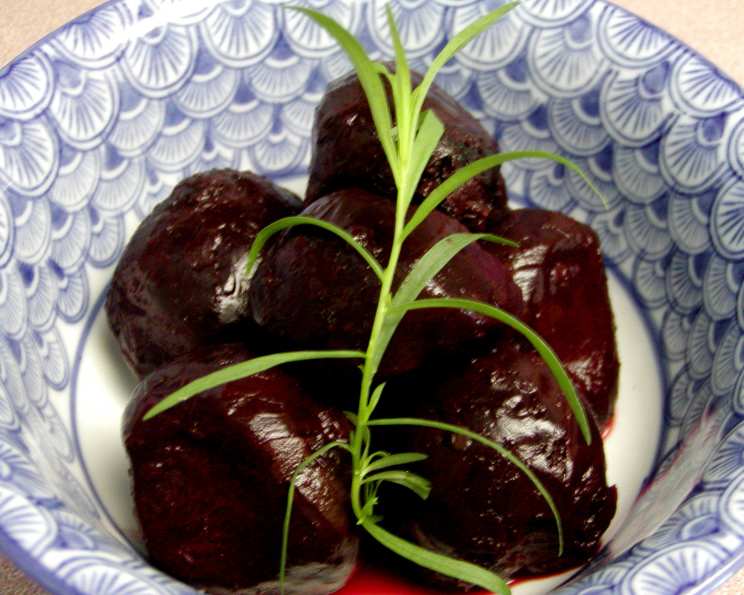
The Earthy Sweetness of Roasted Beets & Garlic: A Culinary Revelation
There are certain dishes that, once discovered, become permanent fixtures in your culinary repertoire. For me, roasted beets and garlic fall squarely into that category. I first stumbled upon this simple yet profoundly flavorful preparation years ago, tucked away in a magazine clipping that promised a quick and delicious way to transform humble root vegetables. The promise of sweet, tender beets kissed by the savory depth of slow-roasted garlic was irresistible. Making it for the first time felt like unlocking a secret – a secret to unlocking the true potential of ingredients I thought I knew. The aroma that filled my kitchen as it baked, a blend of earthy sweetness and pungent warmth, was intoxicating. It’s a dish that speaks to the soul, a testament to how the simplest techniques can yield extraordinary results, and it’s been a go-to for me ever since.
Quick Facts
- Prep Time: 15 minutes
- Cook Time: 1 hour 30 minutes (or 1 hour for smaller beets)
- Total Time: 1 hour 45 minutes (or 1 hour 15 minutes for smaller beets)
- Servings: 4
- Yield: Serves 4 as a side dish
- Dietary Type: Vegan, Gluten-Free, Dairy-Free
Ingredients
This recipe celebrates the pure, unadulterated flavors of its core components, requiring only a few pantry staples to bring out their best.
- 2 heads garlic
- 6 medium beets, scrubbed and trimmed (about 1 ¼ lbs total)
- 1 tablespoon extra virgin olive oil
- 1 tablespoon chopped fresh tarragon (or 1 teaspoon dried tarragon)
- ¼ teaspoon salt
- ¼ teaspoon pepper
Ingredient Notes:
- Beets: Look for beets that are firm and relatively uniform in size to ensure even roasting. If you can only find larger beets, you may need to adjust the roasting time.
- Tarragon: Fresh tarragon offers a delicate anise-like flavor that complements the sweetness of the beets beautifully. If using dried, be aware that its flavor is more concentrated, so use the smaller amount specified.
Equipment Needed
This recipe is remarkably straightforward and doesn’t require any specialized equipment.
- Oven
- Aluminum foil
- Baking sheet (optional, but recommended for stability)
- Large skillet
- Tongs or a spatula for tossing
Instructions
The magic of this dish lies in its gentle transformation through roasting, followed by a quick, flavorful finish.
-
Prepare the Garlic and Beets for Roasting: Begin by separating the garlic cloves from the heads. You don’t need to peel them individually; the papery skin will protect them as they roast. Next, prepare the beets. If your beets are particularly dirty, give them a good scrub under running water, but avoid peeling them at this stage. Trim off any straggly roots or leafy greens, leaving about an inch of the stem attached.
-
Assemble the Roasting Packet: Take a large piece of aluminum foil. Lightly spritz it with cooking spray – this helps prevent sticking and allows for easier cleanup. Carefully place the prepared garlic cloves and the trimmed beets onto the center of the foil.
-
Roast the Beets and Garlic: Preheat your oven to 375°F (190°C). Bring the edges of the aluminum foil together to create a sealed packet. Ensure it’s well-sealed to trap the steam and moisture released by the vegetables during roasting. Place the foil packet directly on the oven rack or on a baking sheet for easier handling. Roast until the beets are tender, which will take approximately 1 hour and 30 minutes. If you are using smaller beets, the roasting time might be closer to 1 hour. You can test for doneness by carefully piercing a beet with a fork or a sharp knife; it should slide in with little resistance.
-
Cool and Prepare the Beets: Once roasted to perfection, carefully remove the foil packet from the oven. Be cautious of the steam that will escape when you open it. Let the beets cool enough to handle, which usually takes about 10–15 minutes. As they cool, the skins should loosen considerably, making them easy to peel away. Peel the cooled beets, and then cut them into wedges. At this point, the garlic cloves should be soft and fragrant. You can either leave the garlic cloves whole, nestled amongst the beet wedges, or gently squeeze the softened garlic out of its papery skin. Set the roasted beets and garlic aside while you prepare the dressing.
-
Prepare the Tarragon Dressing: In a large skillet, heat 1 tablespoon of extra virgin olive oil over medium heat. Once the oil is shimmering, add the chopped fresh tarragon (or dried tarragon). Stir constantly as you cook the tarragon for 2 minutes. This brief sautéing helps to release its aromatic oils and infuse the olive oil with its distinct flavor. Add the ¼ teaspoon of salt and ¼ teaspoon of pepper to the skillet and continue stirring.
-
Combine and Serve: Add the roasted beet wedges and the roasted garlic cloves (either whole or squeezed from their skins) to the skillet with the tarragon-infused oil. Toss gently to coat all the beet wedges and garlic evenly. Continue to heat through for about 2 minutes, allowing the flavors to meld. Serve immediately, enjoying the wonderful interplay of earthy, sweet, and savory notes.
Expert Tips & Tricks
To elevate your roasted beets and garlic even further, consider these professional insights:
- Uniformity is Key: When selecting your beets, try to choose ones of similar size. This ensures they cook at the same rate, preventing some from being overcooked while others are still firm.
- Don’t Overcrowd the Foil: While you want to seal the packet, avoid cramming too many beets in. This can lead to steaming rather than roasting, and you won’t achieve that desirable slightly caramelized exterior. If you have a lot of beets, use two separate foil packets.
- The Peeling Trick: After roasting, the beet skins should slip off easily. If you find a stubborn spot, a gentle rub with a paper towel can often help remove the remaining skin.
- Garlic Versatility: The roasted garlic becomes incredibly mellow and sweet. You can either leave the cloves whole to enjoy their creamy texture, or mash them into a paste with a fork and toss them with the beets for a more integrated garlicky flavor throughout the dish.
- Tarragon Timing: Fresh tarragon loses some of its delicate flavor when cooked for too long. Sautéing it briefly in the olive oil just before adding the beets is the perfect way to awaken its aroma without diminishing its charm.
Serving & Storage Suggestions
Roasted beets and garlic are incredibly versatile and can be served in numerous ways. They make a stunning side dish for grilled meats, roasted chicken, or hearty vegetarian mains. Their vibrant color also makes them a beautiful addition to salads, adding a pop of jewel-toned sweetness. They can also be a star component in a simple appetizer, served with a dollop of goat cheese or a drizzle of balsamic glaze.
For storage, allow the dish to cool completely before transferring it to an airtight container. It will keep well in the refrigerator for 3–4 days. Reheat gently in a skillet over low heat or in a low oven (around 300°F/150°C) until warmed through. Be aware that the texture might soften slightly upon reheating. This dish is best enjoyed fresh, but it holds up reasonably well for a few days.
Nutritional Information
This table provides an estimated nutritional breakdown per serving.
| Nutrient | Amount per Serving | % Daily Value |
|---|---|---|
| Calories | 111.4 kcal | |
| Calories from Fat | ||
| Total Fat | 3.8 g | 5% |
| Saturated Fat | 0.5 g | 2% |
| Cholesterol | 0 mg | 0% |
| Sodium | 209 mg | 8% |
| Total Carbohydrate | 18.1 g | 6% |
| Dietary Fiber | 2.3 g | 9% |
| Sugars | 6.3 g | 25% |
| Protein | 3.5 g | 6% |
Note: Nutritional values are approximate and can vary based on specific ingredient choices and portion sizes.
Variations & Substitutions
While this recipe is sublime in its simplicity, feel free to experiment with these variations:
- Herb Swap: If tarragon isn’t your favorite, consider substituting with fresh parsley, chives, or even a hint of rosemary. For a more Mediterranean flair, a sprinkle of fresh thyme would also be delightful.
- Acidic Brightness: A small splash of balsamic vinegar or red wine vinegar added to the skillet in the last minute of cooking can provide a lovely tang that cuts through the sweetness of the beets.
- Spicy Kick: For those who enjoy a little heat, a pinch of red pepper flakes added with the tarragon can introduce a subtle warmth.
- Nutty Crunch: Toasted walnuts or pecans can be stirred in at the end of cooking for added texture and depth of flavor.
FAQs
Q: Why do I need to roast the beets in aluminum foil?
A: Roasting in a foil packet helps to steam the beets, ensuring they become tender and sweet while trapping their natural moisture and preventing them from drying out.
Q: Can I use pre-cooked beets for this recipe?
A: While you could technically use pre-cooked beets, the flavor and texture achieved through roasting fresh beets with garlic is significantly superior and the intended outcome of this recipe.
Q: How do I peel the roasted beets easily?
A: Once the roasted beets have cooled enough to handle, the skins should slip off with just a gentle rub of your fingers or a paper towel. If any bits are stubborn, a paring knife can be used carefully.
Q: Is it important to roast the garlic with the beets?
A: Yes, roasting the garlic alongside the beets allows it to become incredibly soft, sweet, and mellow, perfectly complementing the earthy flavor of the beets.
Q: Can I make this dish ahead of time?
A: You can roast the beets and garlic ahead of time and store them in the refrigerator. When ready to serve, gently warm them in the skillet with the olive oil and tarragon as instructed.
A Taste of the Earth
This dish is a gentle reminder of the profound flavors that nature provides, amplified by simple, time-honored cooking techniques. It’s a testament to how a few humble ingredients, treated with care, can create something truly memorable. The sweetness of the roasted beets, intertwined with the creamy, mellow notes of the garlic, all tied together by the subtle perfume of tarragon, is an experience that will linger on your palate and in your memory. I encourage you to try this recipe, not just as a side dish, but as an exploration of flavor. Share it with loved ones, observe the smiles it brings, and savor the simple elegance of the earth’s bounty.