
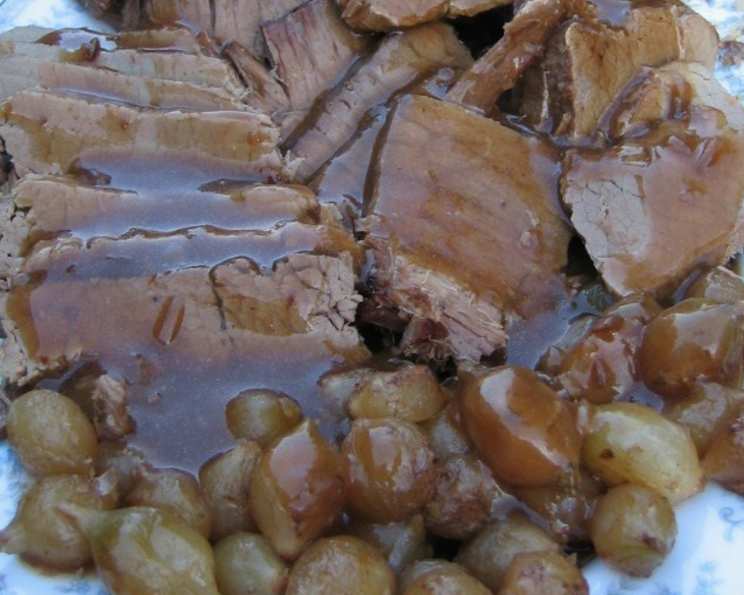
The Quintessential Red Wine Sauce: A Chef’s Secret Weapon
There are certain sauces that, in my kitchen, feel like old friends. They’ve been with me through countless dinner parties, quiet weeknight meals, and even ambitious holiday feasts. Red wine sauce is one of those treasures. I vividly remember the first time I truly understood its magic – it wasn’t a complex, multi-day affair, but this very recipe. A busy evening, a perfectly seared steak, and a quickly whisked sauce that transformed the humble meal into something truly spectacular. The deep, rich aroma as the wine reduced, the comforting scent of sautéed onions mingling with the broth, it was a moment of pure culinary satisfaction that has stayed with me ever since. This sauce is a testament to how simple, quality ingredients and a little bit of patience can create something profoundly elegant and delicious.
Recipe Overview
- Prep Time: 3 minutes
- Cook Time: 17 minutes
- Total Time: 20 minutes
- Servings: 6-8
- Yield: 2 cups
- Dietary Type: Can be Dairy-Free (see notes)
Ingredients
This sauce is remarkably straightforward, relying on the quality of its components to shine.
- 1/2 small onion, minced
- 2 tablespoons butter (for a dairy-free version, use olive oil or a dairy-free butter substitute)
- 1/2 cup dry red wine (a Cabernet Sauvignon, Merlot, or Pinot Noir works beautifully)
- 1 (14 ounce) can beef broth (homemade is always preferable for its depth of flavor, but a good quality store-bought version will do)
- 1/4 cup water
- 2 tablespoons cornstarch
- 1 pinch thyme (optional, but it adds a lovely herbaceous note)
- Salt and freshly ground black pepper, to taste
Equipment Needed
For this simple yet impactful sauce, you won’t need much beyond the basics:
- A medium-sized saucepan or sauté pan
- A whisk
- A measuring cup and spoons
Instructions
The beauty of this red wine sauce lies in its speed and simplicity. Follow these steps, and you’ll have a restaurant-quality sauce ready in no time.
- Begin by mincing your small onion. The finer the mince, the more evenly it will sauté and dissolve into the sauce.
- In your saucepan or sauté pan, melt the butter over medium heat. If you’re opting for a dairy-free version, add your chosen oil or butter substitute at this stage.
- Add the minced onion to the melted butter and sauté for 3 minutes, or until the onions are lightly browned and fragrant. Stir occasionally to prevent sticking and ensure even cooking.
- Pour in the dry red wine. Increase the heat slightly and cook for 3 minutes, allowing the wine to simmer and reduce. This step is crucial for cooking off the raw alcohol flavor and concentrating the wine’s inherent richness. Scrape up any browned bits from the bottom of the pan as the wine simmers; these are packed with flavor.
- Add the beef broth to the pan. Bring the mixture to a boil and then cook for 5 minutes. Allow it to bubble gently, further developing its flavor.
- While the broth is simmering, in a small bowl, stir together the water and cornstarch until no lumps remain. This creates a slurry that will thicken the sauce.
- Gradually whisk the cornstarch slurry into the simmering wine and broth mixture. Continue to cook for 1 minute, whisking constantly, until the sauce has thickened to your desired consistency. It should coat the back of a spoon beautifully.
- Finally, adjust the seasonings with salt and freshly ground black pepper. If you’re using it, add the pinch of thyme now and stir it through. Taste and add more salt or pepper as needed.
Expert Tips & Tricks
To elevate this already wonderful sauce from good to exceptional, consider these professional insights:
- Wine Choice Matters: While the recipe calls for a “dry red wine,” the specific varietal will subtly influence the final flavor. A Cabernet Sauvignon will offer more robust tannins, while a Pinot Noir will lend a fruitier, more delicate note. Experiment to find your favorite!
- Broth Quality: As mentioned, homemade beef broth truly makes a difference. If you don’t have any on hand, a high-quality boxed or low-sodium store-bought version is the next best thing. Avoid using bouillon cubes if possible, as they can sometimes impart an artificial flavor.
- Thickening Consistency: The cornstarch slurry is key, but achieving the perfect thickness can be subjective. If your sauce isn’t quite thick enough after 1 minute, you can make another small slurry (1 teaspoon cornstarch to 2 teaspoons water) and whisk it in, cooking for another minute. Conversely, if it becomes too thick, a splash more beef broth or water can thin it out.
- Finishing Touch: For an extra layer of richness and a glossy finish, you can whisk in a tablespoon of cold butter (or dairy-free butter) right at the very end, off the heat. This is known as “monter au beurre” and is a classic French technique.
Serving & Storage Suggestions
This versatile red wine sauce is the perfect accompaniment to a variety of dishes.
- Serving: Drizzle generously over pan-seared steaks, roasted lamb chops, game meats like venison, or even grilled chicken breasts. It’s also wonderful with hearty stews, mashed potatoes, or roasted root vegetables. For an elegant presentation, spoon it around the plate or directly over the protein.
- Storage: Once cooled, this sauce can be stored in an airtight container in the refrigerator for up to 3-4 days.
- Reheating: To reheat, gently warm the sauce in a saucepan over low heat, stirring occasionally. If it has thickened too much during storage, you can thin it out with a splash of beef broth or water. It can also be reheated in the microwave, covered, at 50% power, stirring every 30 seconds.
Nutritional Information
Here’s an estimated breakdown of the nutritional value for this delicious red wine sauce. Please note that these figures are approximate and can vary based on the specific ingredients and brands used.
| Nutrient | Amount per Serving (approx. 1/4 cup) | % Daily Value |
|---|---|---|
| Calories | 75.2 kcal | – |
| Calories from Fat | 4.5 g | – |
| Total Fat | 4.5 g | 6% |
| Saturated Fat | 2.4 g | 12% |
| Cholesterol | 10.8 mg | 3% |
| Sodium | 541.3 mg | 22% |
| Total Carbohydrate | 3.5 g | 1% |
| Dietary Fiber | 0.1 g | 0% |
| Sugars | 0.4 g | 1% |
| Protein | 1.9 g | 3% |
Note: Daily Values are based on a 2,000-calorie diet. Your daily values may be higher or lower depending on your calorie needs.
Variations & Substitutions
While this recipe is a classic for a reason, feel free to explore these variations:
- Vegetarian/Vegan: For a vegetarian or vegan version, substitute the beef broth with a rich vegetable broth or mushroom broth. Ensure you use olive oil or a dairy-free butter substitute for sautéing the onions.
- Herbal Infusion: Beyond thyme, consider adding a bay leaf while the broth simmers, removing it before thickening. A sprig of rosemary can also be lovely with lamb.
- A Touch of Sweetness: If your red wine is particularly dry, a tiny pinch of sugar can help balance the flavors.
- Creamy Red Wine Sauce: For a decadent, creamy finish, stir in a tablespoon or two of heavy cream (or a dairy-free alternative like full-fat coconut milk) along with the butter at the very end.
FAQs
Q: Can I use any red wine for this sauce?
A: It’s best to use a dry red wine that you would also enjoy drinking. Avoid sweet wines, as they will make the sauce too sweet.
Q: How do I get my onions to brown quickly without burning?
A: Ensure your pan is preheated and the heat is at a medium level. Stir the onions frequently and consider mincing them very finely for faster, more even browning.
Q: What if my sauce is too thin?
A: Make a small cornstarch slurry (1 teaspoon cornstarch mixed with 2 teaspoons cold water) and whisk it into the simmering sauce, cooking for another minute until thickened.
Q: Can I make this sauce ahead of time?
A: Yes, this sauce can be made ahead and reheated gently. It might thicken slightly upon cooling, so have a little extra broth or water on hand to thin it out if needed.
Q: What’s the best way to store leftover sauce?
A: Store cooled sauce in an airtight container in the refrigerator for up to 3-4 days.
Final Thoughts
This red wine sauce is more than just a condiment; it’s a foundational element that can elevate a simple meal into an extraordinary dining experience. It’s a recipe that whispers of sophistication without demanding hours of effort. I encourage you to try it, to taste the depth and richness that a good red wine can impart, and to see how it transforms your favorite proteins. Don’t hesitate to experiment with different wines and herbs to discover your own perfect iteration. Pair it with a hearty roast or a beautifully grilled steak, and perhaps a glass of the very same wine you used in the sauce, and savor the moment. Happy cooking!